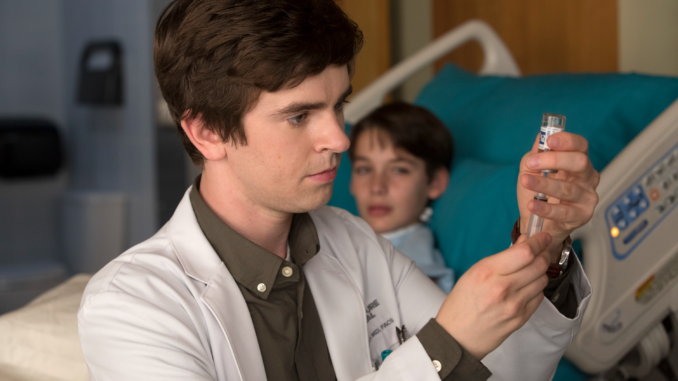
For most of its run, The Good Doctor was defined by one thing above all else: the hospital. St. Bonaventure wasn’t just a setting — it was the engine of the story. Ethical dilemmas, impossible surgeries, and split-second medical decisions shaped every character arc.
But as the series reaches its later seasons, fans are starting to ask an uncomfortable question:
Has The Good Doctor lost its medical identity — turning the hospital into little more than a backdrop?
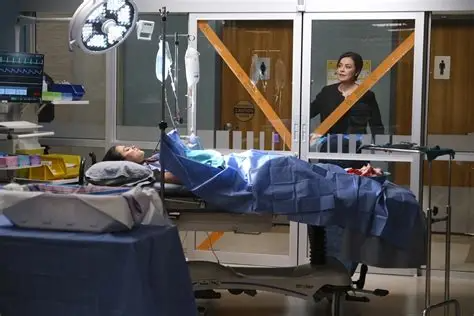
From Medical Drama to Personal Drama
Early seasons of The Good Doctor thrived on cases that challenged both medicine and morality. Every episode forced characters — especially Shaun Murphy — to confront the limits of science, empathy, and institutional bias.
Lately, however, the balance has shifted.
Medical cases now often serve as a narrative excuse to explore personal relationships, emotional conflicts, or long-running character drama. While character development is essential, many fans feel the show no longer lets the medicine lead the story — it follows instead.
The hospital is still there. The urgency isn’t.
Shaun Murphy’s Growth Changed the Show — For Better or Worse
Shaun Murphy’s evolution is one of the series’ greatest achievements. Watching him grow into a confident surgeon, partner, and father was powerful — but it also fundamentally altered the show’s structure.
Shaun no longer needs to fight for acceptance or prove his competence. That victory, while earned, removed a core source of tension. Without that struggle, The Good Doctor leaned harder into relationship drama to fill the gap.
The result? Episodes that feel emotionally heavy but medically lighter.
When the Hospital Stops Feeling Like the Main Character
Great medical dramas make the hospital feel alive — unpredictable, dangerous, and relentless. Recently, St. Bonaventure feels oddly safe.
High-stakes cases are resolved quickly. Consequences fade fast. Doctors spend more time processing feelings than making impossible calls. For some viewers, this evolution feels natural. For others, it feels like the show quietly abandoned what made it special.
The danger isn’t change — it’s drift.
Is This Evolution or an Identity Crisis?
There’s a fine line between growth and loss of focus. The Good Doctor may be crossing it.
By prioritizing personal arcs over professional stakes, the series risks becoming a relationship drama that happens to take place in a hospital — rather than a medical drama driven by human complexity.
That shift has divided the fanbase. Some appreciate the emotional intimacy. Others miss the intensity, urgency, and intellectual challenge that once defined the show.
Can The Good Doctor Reclaim Its Core?
The question isn’t whether The Good Doctor should go back to its early seasons — it can’t. Too much has changed.
The real question is whether the show can re-center medicine without erasing character growth. Whether St. Bonaventure can once again feel like a battleground, not a backdrop.
As the series moves forward, fans aren’t just watching for what happens next.
They’re watching to see what kind of show The Good Doctor still wants to be.