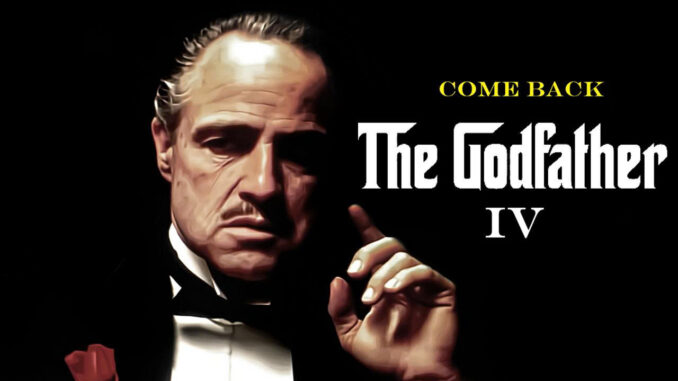
At first, it looks like a story about power.
A mafia dynasty.
A legendary patriarch.
A son who wants nothing to do with it.
But The Godfather is not about crime.
It is about transformation.
And the most terrifying part is this:
You watch it happen… slowly… logically… and by the end, you understand it.
The Son Who Wanted a Different Life
When we first meet Michael Corleone, he is not like the others.
He stands apart from the family business.
He has his own path.
He tells Kay, almost with certainty:
“That’s my family… not me.”
It feels like a promise.
A line he will never cross.
But The Godfather does something brilliant—and cruel.
It doesn’t break that promise suddenly.
It erodes it.
The Moment Everything Changes
The turning point is not loud.
It is not explosive.
It is personal.
When Vito Corleone is attacked, the illusion of distance disappears. Family is no longer something Michael can observe from afar—it becomes something he must protect.
And protection… becomes involvement.
Involvement becomes action.
And action becomes identity. 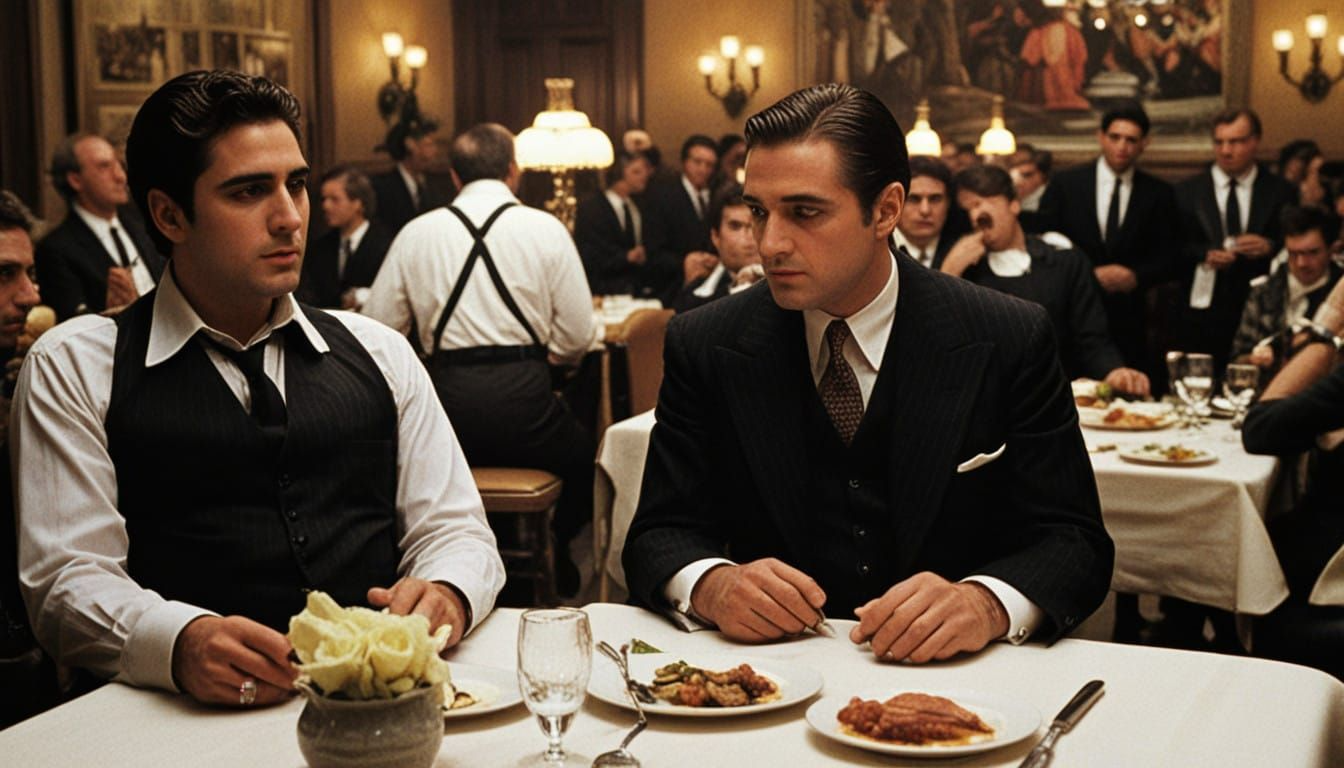
The First Step Into Darkness
Michael’s decision to kill Sollozzo and McCluskey is not framed as evil.
It is framed as necessary.
Calculated. Controlled. Justified.
And that is what makes it dangerous.
Because in that moment, Michael does not feel like a villain.
He feels like someone doing what must be done.
Just like in Steel Magnolias and Roseanne, the line between right and wrong does not disappear.
It shifts.
The Transformation No One Stops
What makes Michael’s descent so powerful is that no one truly stops it.
The family benefits from it.
The system rewards it.
The enemies force it.
And step by step, Michael becomes the very thing he once stood against.
- He becomes colder
- More strategic
- More distant
Until the man from the beginning of the film is no longer visible.
The Baptism Scene: Power at Its Most Terrifying
The film’s most iconic sequence is not just about violence.
It is about contradiction.
As Michael stands in a church, renouncing Satan, his orders are being carried out across the city—executions, betrayals, total domination.
It is not chaos.
It is control.
And in that moment, the transformation is complete.
Michael is no longer protecting the family.
He is the family.
The Final Scene That Changes Everything
The last moments of the film are quiet.
Kay asks a simple question.
Michael gives a simple answer.
And then—the door closes.
Not just physically.
Symbolically.
It is the end of trust.
The end of innocence.
The end of the man Michael used to be.
Why This Story Hits So Hard
Because it does not show evil as something obvious.
It shows how it forms.
- Through loyalty
- Through pressure
- Through decisions that feel justified in the moment
And by the time you recognize it, it is already complete.