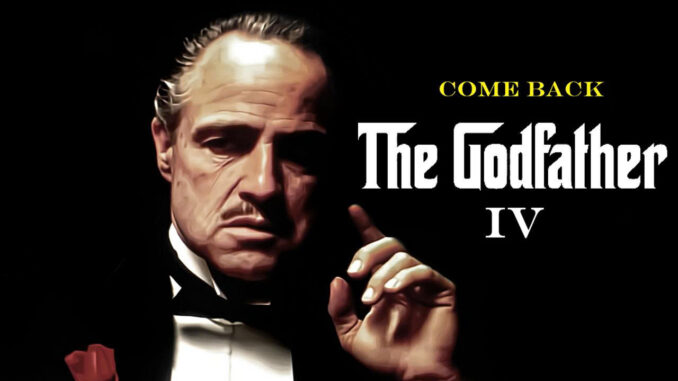
There are crime films, and then there is The Godfather.
What sets it apart is not just its story of organized crime, but the quiet, unsettling transformation at its core—a transformation that does not explode onto the screen, but unfolds slowly, almost invisibly.
At the center of that transformation is Michael Corleone.
When the audience first meets him, Michael is distant from the world of his family. He is calm, disciplined, and deliberately separate from the criminal empire built by his father, Vito Corleone. He represents something different—perhaps even an escape from the legacy that surrounds him.
And for a brief moment, it seems possible.
But The Godfather does not rely on sudden change. It builds pressure. Slowly, methodically, it places Michael in situations where distance is no longer an option. Family loyalty, violence, and responsibility begin to close in.
The turning point is not loud.
It is a decision.
When Michael chooses to act—to protect his father and step into the conflict—something shifts. Not immediately, not completely, but enough to set everything else in motion.
From that moment on, the transformation becomes inevitable.
What makes it so powerful is how controlled it feels. Michael does not become ruthless overnight. He becomes precise. Calculated. Quietly detached. Each decision feels justified in the moment, even as it pulls him further away from who he once was.
That is what makes the story unsettling. 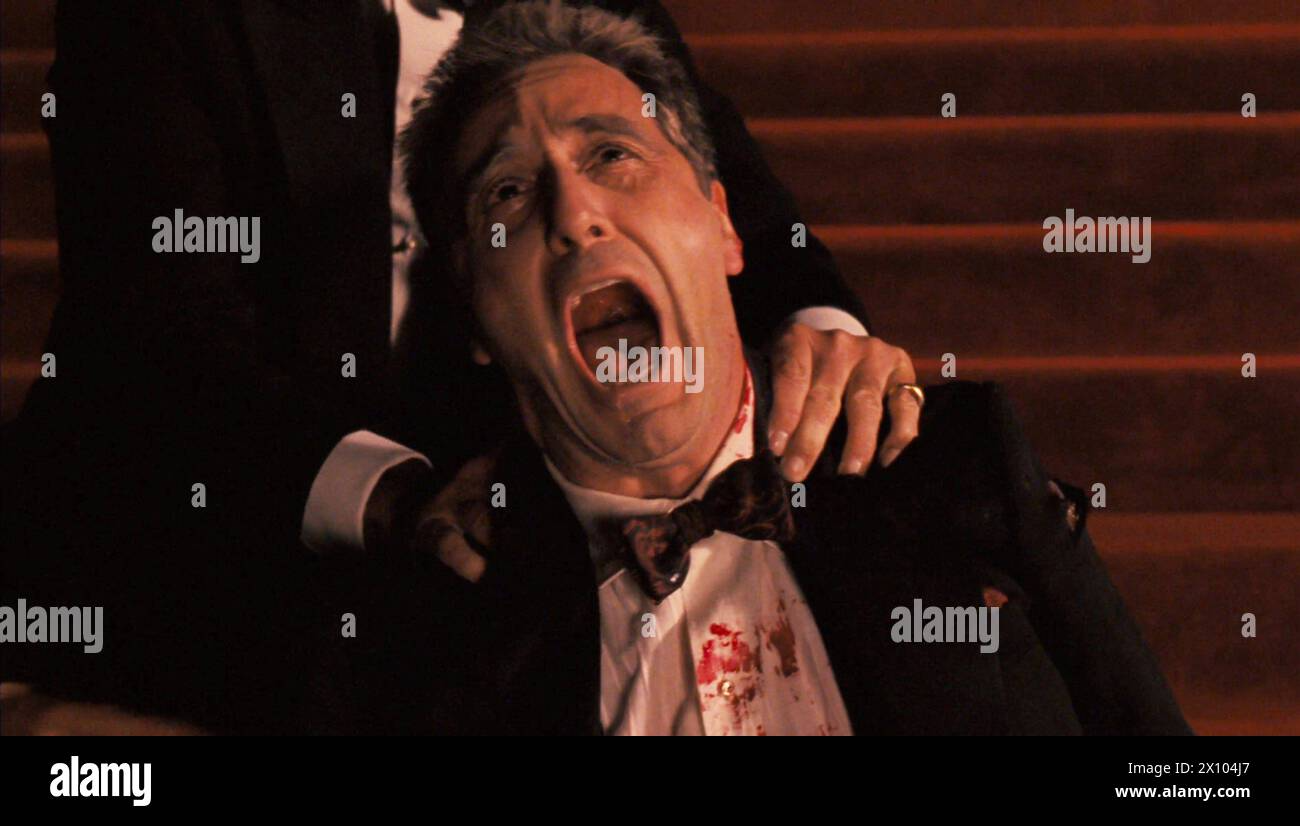
There is no single moment where he “becomes” the Don.
There is only a series of choices that make it impossible for him to remain anything else.
By the time the film reaches its final sequence, the transformation is complete. Michael is no longer the outsider. He is the center of power—the figure others now fear and obey.
And yet, nothing about it feels triumphant.
The famous closing scene, where the door is shut on Kay, does not celebrate his rise. It isolates him. It marks the final separation between his personal life and the world he has fully embraced.
Power, in The Godfather, is not presented as victory.
It is presented as loss.
Loss of identity.
Loss of innocence.
Loss of the person he might have been.
Decades later, this transformation remains one of the most studied in cinema—not because it is dramatic, but because it feels disturbingly real. It reflects a truth that extends beyond the film itself: that people rarely change all at once.
They change gradually.
Through decisions that seem necessary at the time.
Until one day, they realize they have become something else entirely.
That is why The Godfather endures.
Not as a story about crime, but as a story about becoming.