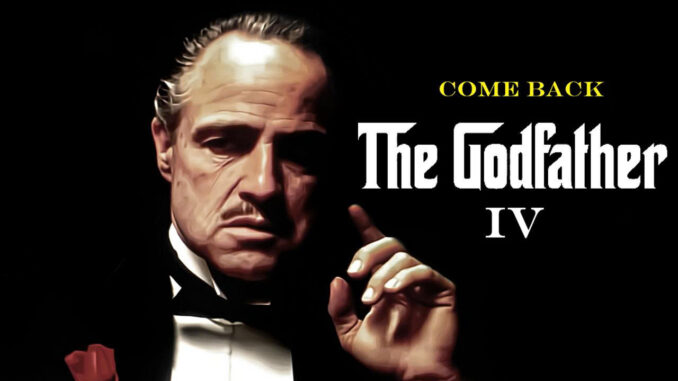
At the beginning of The Godfather, Michael Corleone is the one character audiences trust.
He stands apart from his family. He wears a military uniform, speaks calmly, and insists—almost defensively—that he is not like them. While others operate in shadows, Michael appears grounded in a different world, one defined by rules, order, and distance from crime.
And that is precisely what makes his transformation so disturbing.
Because The Godfather does not turn him into a villain overnight.
It lets it happen slowly—so slowly that by the time audiences realize what has changed, it is already too late.
The Transformation No One Sees Coming
Michael’s descent is not driven by ambition at first. It is driven by necessity.
An attack on his father. A threat to the family. A moment that demands action.
What follows feels justified. Even rational.
He steps in not because he wants power, but because no one else can handle the situation the way he can. His intelligence, his restraint, his ability to think under pressure—these qualities make him effective.
But they also make him dangerous.
Each decision pulls him deeper. Each action becomes easier to justify than the last. And with every step, the line between protection and control begins to disappear.
This is the film’s most unsettling trick: it aligns the audience with Michael’s logic.
You understand why he acts.
You agree with him—at least at first.
And that agreement is where the transformation truly begins.
The Performance That Made It Unforgettable
Al Pacino delivers a performance built on restraint rather than explosion.
There are no dramatic outbursts announcing Michael’s change. Instead, it appears in fragments:
A longer pause before speaking.
A colder expression.
A decision made without hesitation.
The shift is internal, almost invisible—until it defines everything.
By the time Michael fully assumes control, he does not look like a traditional villain. He is composed, calculated, and eerily calm. The absence of emotion becomes more terrifying than any display of violence.
The Scene That Changed Everything
The film’s most discussed sequence—the baptism scene—does not rely on shock alone. It relies on contrast.
As Michael stands in a church, renouncing evil, a series of violent acts unfold elsewhere, carried out under his command. The structure is deliberate. It forces the audience to confront two realities at once:
What is said.
And what is done.
The result is not just dramatic—it is revealing.
This is the moment where Michael is no longer reacting to events. He is controlling them. And more importantly, he has learned how to separate his actions from their moral weight. 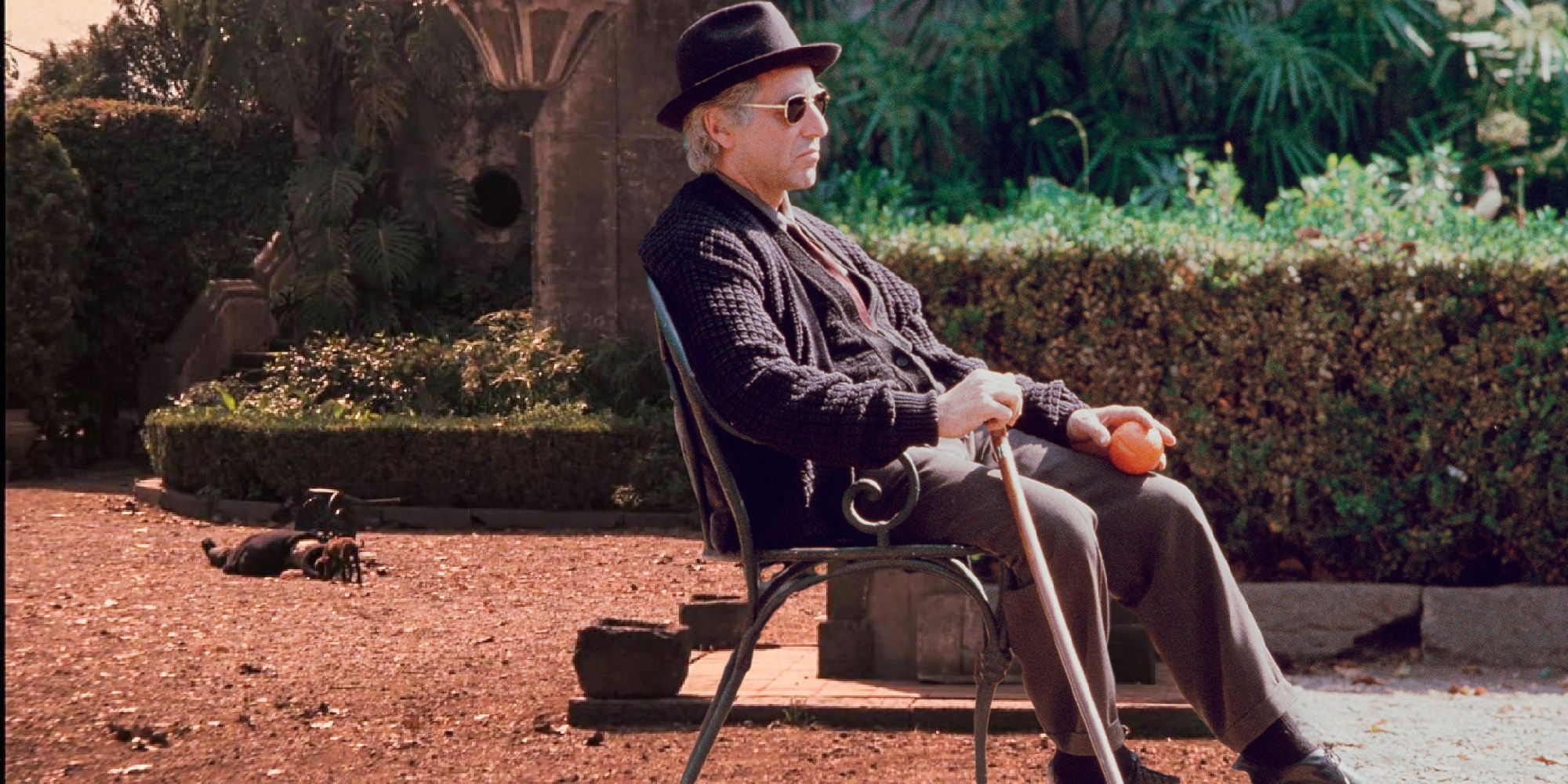
Why Audiences Still Root for Him
Decades later, one question continues to follow The Godfather:
Why do viewers still sympathize with Michael Corleone?
The answer is uncomfortable.
Because his transformation does not feel foreign. It feels possible.
The film presents power not as something distant, but as something that grows from small, reasonable choices. It suggests that under the right circumstances, anyone can justify actions they once believed were unthinkable.
Michael does not lose control.
He gains it.
And in doing so, he becomes someone the audience cannot fully reject—even when they know they should.
The Viral Truth Behind the Character
In today’s digital culture, Michael Corleone has taken on a new life.
Clips of his cold stares, calculated decisions, and quiet authority circulate widely, often reframed as symbols of discipline, control, and power. His character is no longer confined to the film—it has become a reference point.
But this reinterpretation misses something critical.
Michael’s story is not about power gained.
It is about humanity lost.
And that is what makes it timeless.