Who Has the Strongest Fandom in S.W.A.T.? A Deep Dive Into the Most Powerful Fanbase
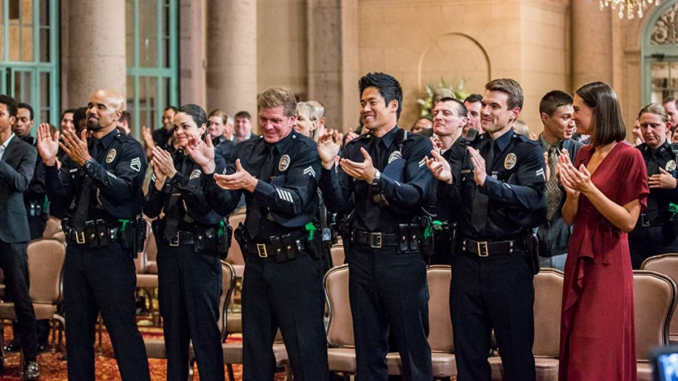
If you’ve spent even five minutes in the online universe surrounding S.W.A.T., you already know something: this fandom is not quiet. It debates. It campaigns. It trends. And it defends its favorites like a tactical unit protecting ground.
So the real question is simple—but controversial: who actually has the strongest fandom?
Is it Hondo, the commanding center of gravity?
Street, the emotional lightning rod?
Chris, the legacy icon?
Let’s break it down carefully, because “strongest” isn’t just about popularity. It’s about influence, loyalty, and cultural impact.
What Does “Strongest Fandom” Actually Mean?
Before naming names, we need criteria. A powerful fandom typically shows:
-
High social media engagement
-
Organized renewal campaigns
-
Consistent streaming support
-
Emotional intensity
-
Longevity across seasons
-
Fan-created content (edits, tributes, discussions)
Strength equals devotion multiplied by volume.
And in S.W.A.T., devotion runs deep.
Hondo: The Franchise Anchor With Massive Influence
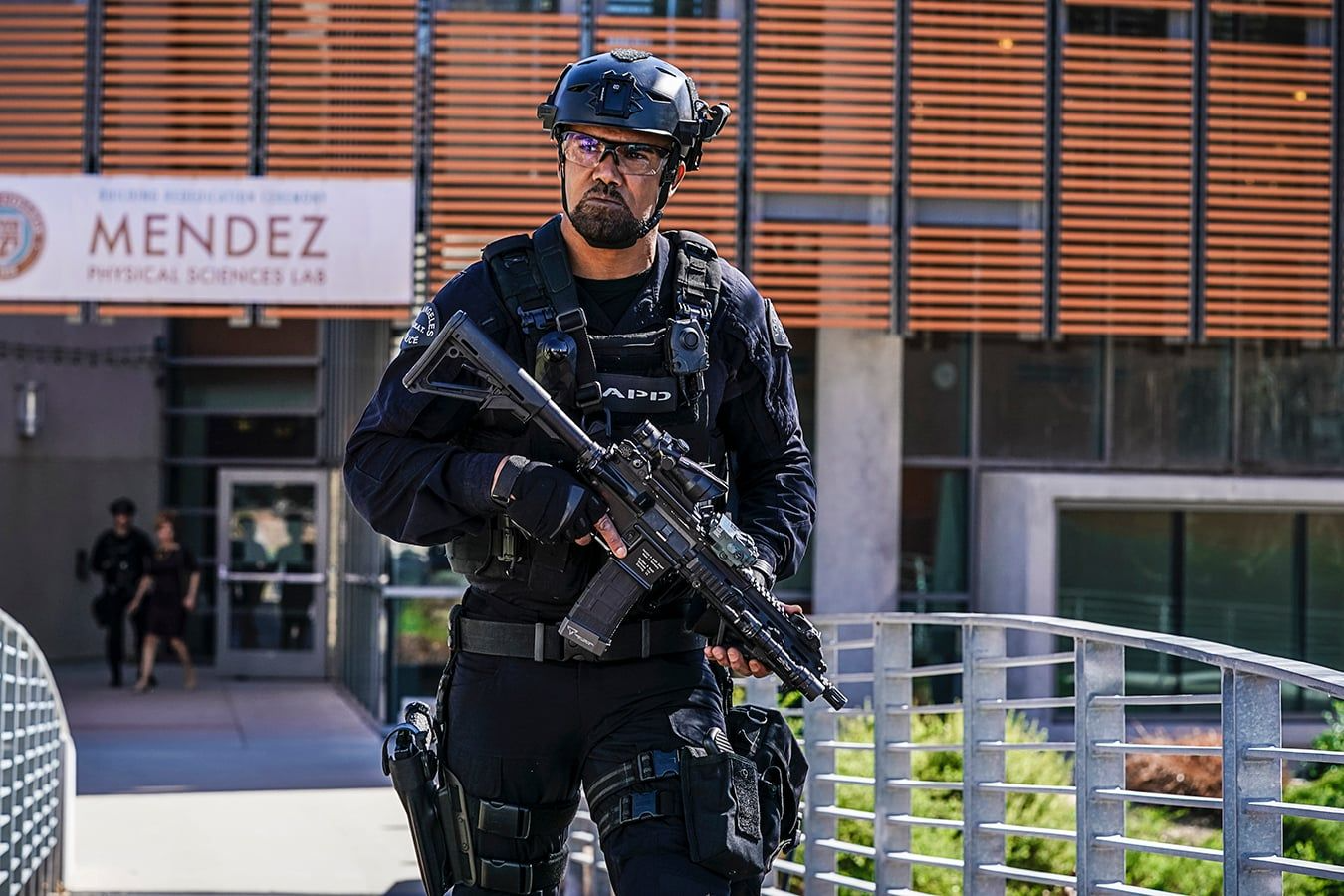
At the center of everything stands Daniel Harrelson, portrayed by Shemar Moore.
Hondo isn’t just a lead character. He is the structural spine of the series. The show opens and closes around his leadership. His moral dilemmas drive entire arcs. His personal life anchors social commentary.
That kind of narrative centrality builds power.
When renewal cancellations threatened the future of S.W.A.T., fans didn’t simply ask for the show back. They rallied around Hondo. Campaign hashtags revolved around his leadership and Moore’s performance.
That’s not casual admiration. That’s organized loyalty.
The Shemar Moore Effect
You can’t analyze Hondo’s fandom without acknowledging Shemar Moore’s long-standing fanbase. He brought years of audience loyalty into S.W.A.T. from previous roles, and that pre-existing support amplified engagement from day one.
The result? A fandom that doesn’t just watch. It mobilizes.
If fandom were a military formation, Hondo’s supporters would be the front line.
Jim Street: The Emotional Powerhouse
Now shift focus to Jim Street.
Street’s fandom thrives on emotion. His journey from reckless rookie to matured officer built a narrative arc fans could invest in deeply.
People don’t just admire Street. They root for him.
And rooting builds long-term attachment.
His family struggles, romantic tensions, and vulnerability created layers. Fans saw growth in real time. That kind of character evolution fosters passionate engagement, especially among viewers who value redemption arcs.
Street’s Dominance in Fan Content
Look at fan edits across platforms. Street features heavily in emotional montages, slow-motion action clips, and romantic compilations.
Why?
Because he’s expressive. His storylines deliver highs and lows. His character generates cinematic moments that translate perfectly into fan-made content.
His fandom might not outnumber Hondo’s in scale—but in emotional intensity? It’s formidable.
Chris Alonso: A Legacy That Refuses to Fade
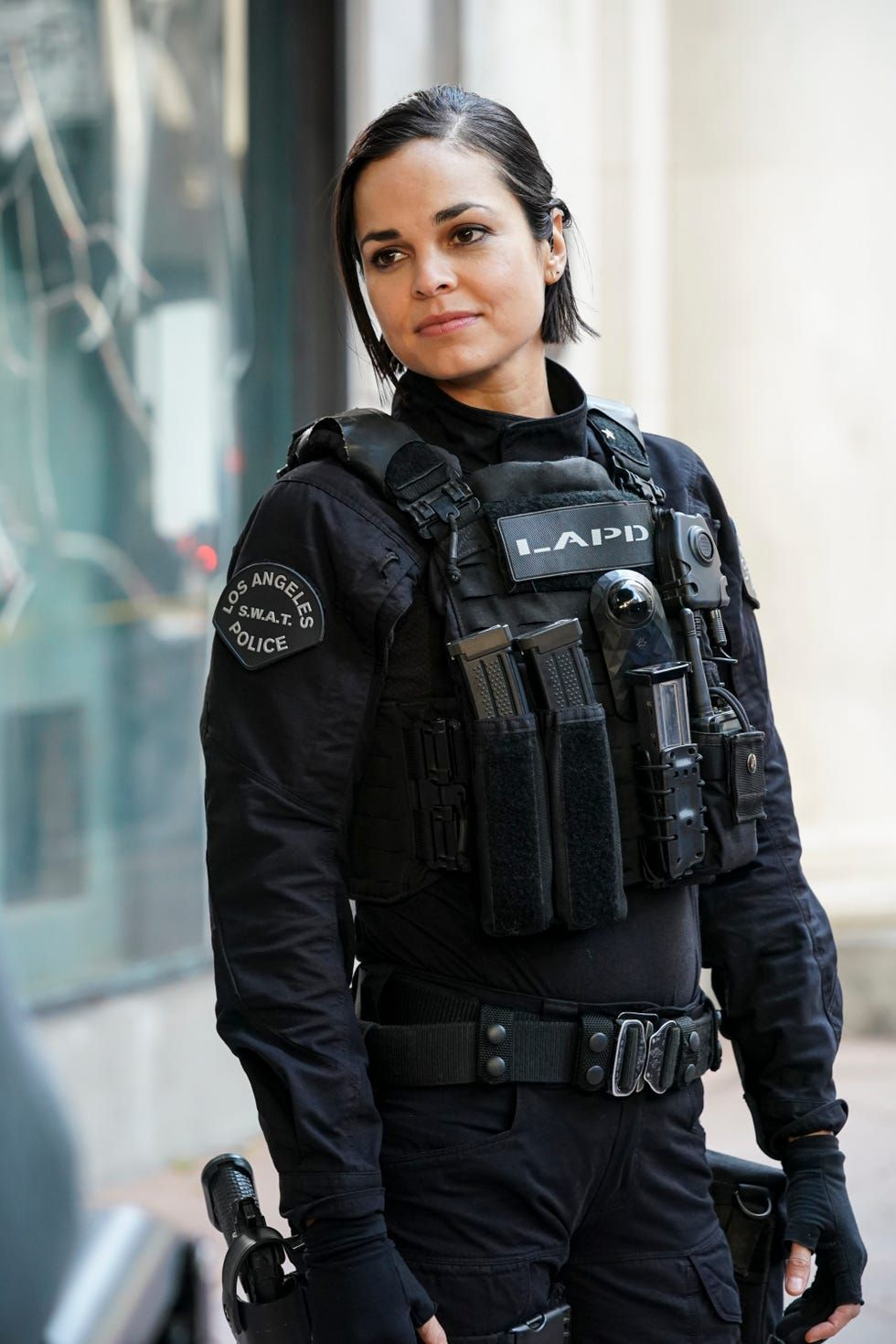
Then there’s Chris Alonso.
Chris built a fandom rooted in representation and strength. As a fierce and complex female officer in a tactical unit, she resonated deeply with viewers seeking multidimensional female characters in action drama.
When she exited the series, the response was immediate and loud. Tribute posts surged. Discussion threads spiked. Fans expressed frustration, nostalgia, and gratitude all at once.
Sometimes the strength of a fandom becomes clearest when a character leaves. Chris’ absence amplified her impact.
That’s symbolic power.
Deacon: Quiet Loyalty, Steady Devotion
David Deacon Kay may not trend daily, but his supporters remain loyal.
Deacon represents stability, faith, and family values. Viewers who connect with grounded masculinity gravitate toward him.
His fandom doesn’t operate through viral spikes. It functions through consistent support.
And consistency is its own kind of strength.
Luca and Tan: The Boutique Fandom Effect
Both Dominique Luca and Victor Tan maintain smaller yet highly dedicated fan communities.
These supporters are protective. They celebrate subtle character moments. They champion screen time equity.
Niche fandoms often exhibit higher per-person engagement. While numbers may be lower, intensity can be high.
Think of it as boutique loyalty—focused, deliberate, unwavering.
Social Media Metrics vs. Emotional Attachment
When measuring online volume, Hondo typically leads. His storylines drive promotional campaigns and network visibility.
Street, however, spikes during relationship arcs and personal crises.
Chris trends during retrospective discussions and representation debates.
Different triggers. Different energy surges.
The “strongest” label shifts depending on the metric you prioritize.
Longevity as the Ultimate Power Indicator
Who has sustained momentum across multiple seasons?
Hondo.
Who evolved in ways that strengthened audience connection over time?
Street.
Who remains culturally relevant despite leaving?
Chris.
Longevity tests fandom endurance. And endurance signals power.
So, Who Truly Has the Strongest Fandom?
If we define strength as:
-
Overall influence on the franchise
-
Social media mobilization
-
Recognition outside core viewers
-
Renewal campaign traction
Then Daniel Harrelson holds the strongest fandom.
His character anchors the identity of S.W.A.T.. Remove him, and the structural core shifts dramatically.
However, if we define strength emotionally, Street rivals him closely. And in terms of symbolic representation, Chris commands extraordinary respect.
So the answer isn’t simplistic.
It’s layered.
Why This Debate Proves the Show’s Success
A series without strong fandom divisions fades quietly. The fact that S.W.A.T. sparks debate about character loyalty proves it built meaningful emotional connections.
Fans don’t argue about characters they feel neutral about.
They argue about characters they love.
That passion—across multiple characters—is the real victory.
Conclusion: Power Comes in Different Forms
Who has the strongest fandom in S.W.A.T.?
In terms of scale and mobilization, Hondo stands at the top. His fanbase combines star power, narrative centrality, and long-term engagement.
Street commands deep emotional loyalty and dominates fan-created content. Chris maintains symbolic influence that continues beyond her tenure.
The strongest fandom ultimately depends on what you measure—volume, emotion, or legacy.
But one thing is clear: S.W.A.T. doesn’t rely on one pillar of support. It thrives because multiple fandoms coexist, compete, and energize the series.
And that’s a strategic advantage most shows never achieve.
FAQs
1. Is Hondo the most popular character in S.W.A.T.?
Yes, in overall recognition and franchise identity, Hondo leads the pack.
2. Does Jim Street have a large fanbase?
Absolutely. His character growth and emotional arcs generate strong viewer attachment.
3. Why is Chris Alonso’s fandom still active?
Her representation and character impact created lasting loyalty that extends beyond her screen presence.
4. Which character trends the most online?
Hondo typically generates the highest volume of broad engagement, especially during major announcements.
5. Could another character surpass Hondo’s fandom in the future?
It’s possible if narrative focus shifts significantly, but currently Hondo remains the strongest center of fan gravity.