When Fake News Goes Viral
The internet moves fast. Blink once and a rumor can circle the globe before the truth even puts on its shoes.
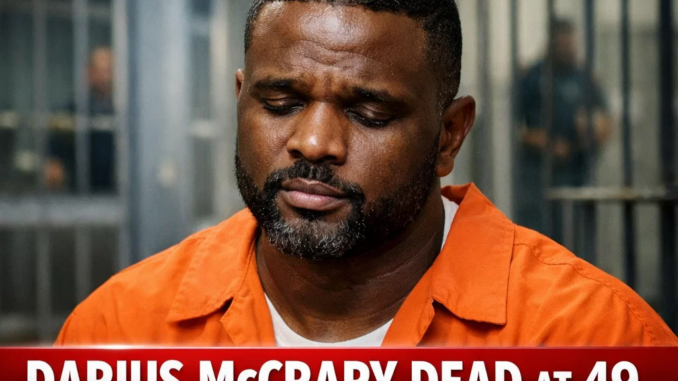
Recently, a shocking headline began circulating online claiming that actor Darius McCrary, best known for his role in the classic sitcom Family Matters, had died in prison at age 49. The story appeared on obscure blogs and social media posts, spreading quickly across feeds.
Fans reacted with confusion and sadness. Some shared emotional tributes. Others questioned whether the report was real.
But here’s the key issue: viral headlines don’t always equal verified facts.
In this article, we’ll break down how celebrity death hoaxes spread, why people believe them so easily, and how fans can protect themselves from online misinformation.
Who Is Darius McCrary?
A Familiar Face From 90s Television
Darius McCrary is widely recognized for playing Eddie Winslow on the beloved sitcom Family Matters. The show became a defining part of 1990s television, blending humor, family values, and unforgettable characters.
Eddie Winslow—portrayed by McCrary—was the cool older brother in the Winslow household. He navigated teenage life with charm, confidence, and plenty of comedic moments.
For millions of viewers, Eddie felt like someone they knew in real life.
A Career Beyond One Iconic Role
Although many fans remember him from Family Matters, McCrary’s career extends far beyond a single show.
He has worked in:
-
Television dramas
-
Films
-
Voice acting
-
Music projects
Like many actors from long-running sitcoms, he continued building a career after the series ended.
The Viral Rumor That Spread Across Social Media
A Sensational Headline Sparks Confusion
The internet rumor appeared suddenly. Headlines claimed that the actor had died under dramatic circumstances.
The wording was designed to shock readers and trigger immediate reactions.
And it worked.
Posts quickly appeared across social media platforms where people began asking the same question:
“Is this real?”
Why the Story Spread So Quickly
Social media thrives on emotion. The more dramatic the story, the faster it travels.
Think of the internet like a crowded marketplace. If someone suddenly shouts shocking news, people naturally turn their heads.
Online rumors operate the same way.
A headline that combines:
-
A well-known celebrity
-
A tragic scenario
-
A sudden death
creates the perfect recipe for viral attention.
Why Celebrity Death Hoaxes Happen
Clicks Equal Revenue
Many fake news websites exist for one reason: traffic.
Every click generates advertising revenue. That means dramatic headlines become a profitable strategy.
When a site posts shocking celebrity news, thousands of curious readers visit the page to learn more.
Even if the story is false, the website still benefits financially.
Famous Names Attract Attention
Celebrities are natural targets for viral rumors because people recognize their names instantly.
A headline about an unknown individual might be ignored.
But a headline about a well-known actor from a nostalgic TV show? That spreads like wildfire.
Why People Believe Online Rumors
Emotions Override Logic
When fans read tragic news about a favorite actor, emotions kick in immediately.
Sadness, shock, and nostalgia create a powerful reaction.
Instead of investigating the story, many readers share it with friends who loved the same show.
Headlines Are Often Misleading
Another factor is simple reading habits. Most internet users skim headlines instead of reading full articles.
If the headline claims a celebrity died, many people assume the information must be accurate.
But headlines can exaggerate—or completely fabricate—the truth.
How Social Media Algorithms Amplify Fake News
Engagement Is Everything
Social media platforms prioritize posts that receive strong engagement.
That includes:
-
Likes
-
Comments
-
Shares
-
Reactions
Unfortunately, shocking or emotional content tends to generate the most engagement.
As a result, algorithms push those posts into more feeds.
The Snowball Effect
Once a rumor begins spreading, it creates a snowball effect.
One post leads to ten. Ten leads to a hundred.
Before long, thousands of people see the claim and assume it must be real because everyone else is talking about it.
The Emotional Impact on Fans
Nostalgia Makes Rumors More Powerful
Shows like Family Matters hold a special place in many people’s memories.
Fans who grew up watching the Winslow family feel emotionally connected to the actors.
So when rumors about those actors appear, the reaction becomes deeply personal.
Confusion and Online Panic
False celebrity death reports often create waves of confusion.
Fans rush to confirm the news while others share emotional tributes prematurely.
Eventually the truth surfaces—but by then the rumor may have reached millions.
How to Verify Celebrity News Online
Check Trusted Media Sources
The first step is simple: look for confirmation from major news outlets.
When a well-known celebrity passes away, credible organizations report it quickly.
If the story appears only on unknown blogs or social media posts, that’s a red flag.
Look for Official Statements
Reliable reports often include statements from:
-
Family members
-
Representatives
-
Verified social media accounts
If none of these sources appear in the article, skepticism is healthy.
Warning Signs of Fake News Articles
Overly Dramatic Language
Fake stories often rely on exaggerated words such as:
-
“Shocking”
-
“Tragic”
-
“Breaking news”
-
“Sudden death”
These phrases grab attention but rarely add factual information.
Lack of Credible Sources
A trustworthy news article usually references specific sources.
If an article relies only on vague claims or anonymous statements, its credibility becomes questionable.
Why Responsible Sharing Matters
Everyone Is Part of the Information Chain
In today’s digital world, readers don’t just consume news—they distribute it.
Every share pushes information into new circles of people.
That means a single click can help misinformation spread rapidly.
Pause Before You Share
The solution is simple but powerful.
Before sharing dramatic news online, pause for a moment and verify the source.
That brief pause can stop false information from spreading further.
The Lasting Legacy of Family Matters
A Show That Defined a Generation
Family Matters remains one of the most recognizable sitcoms of the 1990s.
Its mix of humor, family lessons, and memorable characters helped shape television history.
Even decades later, fans still quote lines and revisit episodes.
Why Fans Still Care About the Cast
Actors from beloved shows become part of cultural memory.
Viewers feel connected to them because they represent a piece of childhood or family life.
That connection explains why rumors about them trigger such strong reactions.
Conclusion
The internet is a powerful tool for sharing information—but it also allows misinformation to spread at lightning speed.
The viral rumor about actor Darius McCrary illustrates how quickly fake news can capture public attention. A dramatic headline, a few social media shares, and suddenly thousands of people believe a story that hasn’t been verified.
The good news? Readers have more power than they realize.
By checking sources, questioning sensational headlines, and pausing before sharing, anyone can help slow the spread of misinformation online.
In a digital world overflowing with content, critical thinking is the most valuable skill we have.
FAQs
1. Why do celebrity death hoaxes become viral so quickly?
Because they combine emotional shock with a recognizable name. That combination drives massive engagement on social media.
2. How can I check if a celebrity death report is real?
Look for confirmation from major news organizations or verified statements from family or representatives.
3. Why do fake news websites create these stories?
Many of them aim to generate traffic and advertising revenue through sensational headlines.
4. Are celebrity death hoaxes harmful?
Yes. They can distress fans, damage reputations, and spread confusion online.
5. What should I do if I see suspicious celebrity news online?
Avoid sharing it immediately and verify the information through credible sources first.