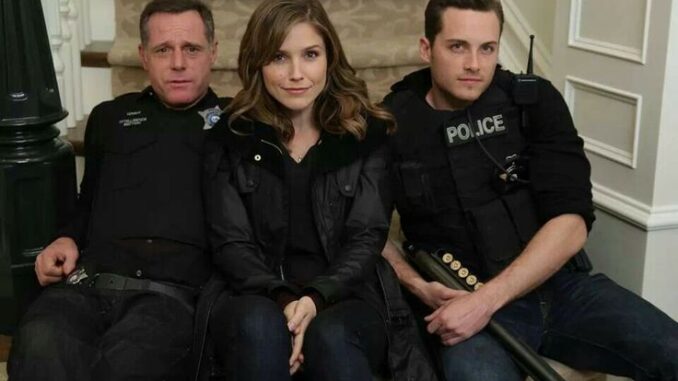
For over a decade, Chicago P.D. has been one of the most gripping procedurals on television, and at its heart stands Sergeant Hank Voight — the morally complex, fiercely dedicated leader of the Intelligence Unit. Portrayed by Jason Beghe since the character’s debut in Chicago Fire and the launch of the spinoff in 2014, Voight is more than just a tough cop; he’s the gravitational force that holds the series together. As the show enters its later seasons, including recent developments in Seasons 12 and 13, fans continue to wonder: How does Beghe keep this iconic character so central and compelling after all these years?
The answer lies in Beghe’s thoughtful, evolving approach to the role — one that prioritizes psychological depth over procedural flash. Through subtle choices, personal commitment, and a willingness to let Voight grow (or struggle), Beghe ensures Hank Voight remains the unshakable core of Chicago P.D..
The Origins of Hank Voight: From Guest Star to Series Anchor
Hank Voight first appeared as a recurring character in Chicago Fire, where he was introduced as a hard-nosed detective with a questionable reputation. Beghe brought an immediate intensity to the role, making Voight someone viewers loved to distrust yet couldn’t look away from. When Chicago P.D. spun off in 2014, Voight became the lead — the sergeant commanding the elite Intelligence Unit in the 21st District.
From the start, Beghe understood that Voight’s power wasn’t in grand speeches or over-the-top action. Instead, it came from restraint. Voight is a man of few words, but every glance, every gravelly command, carries weight. This understated style has kept him central: in a show full of high-stakes chases and interrogations, Voight’s quiet menace stands out.
Beghe has shared in interviews that he approaches Voight psychologically rather than procedurally. He builds the character from the inside out — focusing on internal motivations, past traumas, and emotional scars rather than just the plot’s demands. This method allows Voight to feel like a real, evolving person, not a plot device.
Psychological Depth: Building Voight from the Inside
One of Beghe’s key strengths is his commitment to Voight’s inner world. The character is shaped by profound loss — the death of his wife and son, betrayals within the force, and the constant moral tightrope he walks. Beghe doesn’t play these elements for sympathy; he lets them simmer beneath the surface.
In recent seasons, we’ve seen this depth play out powerfully. Voight has grappled with vulnerability, regret, and the consequences of his “by any means necessary” approach. For instance, cases involving young victims often trigger memories of his own son, Justin, forcing Voight to confront what he wishes he could change. Beghe has described this as Voight becoming more present, experiencing emotions he’s long suppressed — a shift that makes him feel more human and relatable.
This psychological layering keeps Voight central because it creates ongoing conflict. He’s not static; he’s a man wrestling with his code of justice in a changing world. Showrunner Gwen Sigan and Beghe have emphasized exploring “why Voight is the way he is” in later seasons, diving deeper into his origins and personal life. This evolution ensures the character doesn’t grow stale after more than a decade on screen.
Physical Presence and Signature Traits
Beghe’s physicality is another reason Voight dominates every scene. His signature raspy voice — deepened by real-life experiences, including a near-fatal car accident years ago — adds an unmistakable authority. The gravelly tone turns simple lines into threats or commands that demand attention.
Fans often note Voight’s distinctive walk, head nods, and intense stare. These aren’t just quirks; they’re deliberate choices that convey a man carrying the weight of his choices. Beghe has incorporated his own life experiences into the performance, turning physical realities into character strengths. This authenticity makes Voight feel lived-in and real.
Even as the show introduces new dynamics — like potential romantic interests or challenges to his leadership — Beghe’s presence anchors everything. In Season 12, Voight’s decisions (including high-stakes confrontations) underscored his role as the unit’s protector, even at personal cost.
Commitment to Evolution: Why Beghe Won’t Let Voight Stagnate
Beghe has repeatedly said that if a character isn’t changing, they’re boring. He treats his long-term relationship with Voight like a living friendship — one that requires growth to stay engaging.
In interviews, Beghe expresses genuine passion for the role, often referring to Voight in the first person (“I” instead of “he”). This immersion shows his dedication. He pushes for stories that test Voight: moral dilemmas, vulnerability, and even hints of redemption. As the series explores modern policing challenges, Voight’s old-school methods are questioned — yet his core drive to protect Chicago and his team remains.
This commitment keeps Voight central. New characters (like potential partners or rivals) often mirror or contrast him, highlighting why he’s irreplaceable. Beghe has affirmed his desire to continue, stating he has “more to do” with the character. Fans agree: Chicago P.D. without Voight at the helm would lose its edge.
Behind the Scenes: The Actor vs. the Character
Off-screen, Jason Beghe is far removed from Voight’s brooding intensity. Interviews reveal a thoughtful, humorous man who values family, advocacy (including work with exonerees), and the collaborative spirit of the One Chicago set. This contrast makes his performance even more impressive — he fully transforms into Voight when the cameras roll.
Beghe’s respect for law enforcement, combined with his willingness to portray moral ambiguity, adds nuance. He doesn’t glorify Voight’s darker side but shows its human cost, making the character compelling rather than cartoonish.
Conclusion: The Enduring Power of Hank Voight
Jason Beghe keeps Hank Voight at the center of Chicago P.D. through a masterful blend of psychological insight, physical authenticity, and relentless commitment to growth. In a genre full of similar tough cops, Voight stands apart because Beghe plays him as a flawed, evolving human — shaped by loss, driven by justice, and always on the edge of redemption.
As the series continues into Season 13 and beyond, with new challenges testing Voight’s leadership and legacy, Beghe’s portrayal ensures the character remains the show’s beating heart. Fans tune in not just for the cases, but for Voight — the man who bends rules to protect what matters most. Thanks to Jason Beghe, Hank Voight isn’t just central; he’s essential.