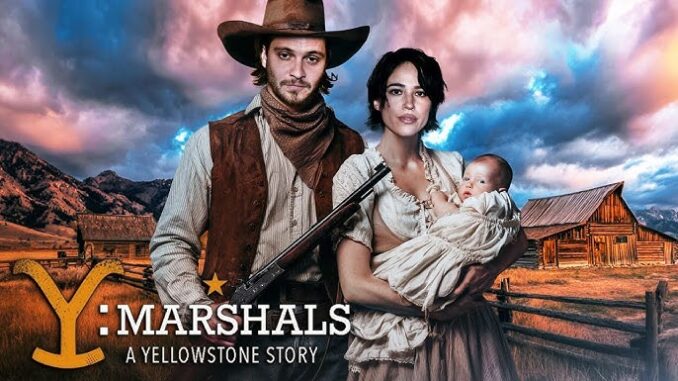
The Shadow of the Patriarch: Why John Dutton’s Presence Lingers in the New Yellowstone Spin-Off, Marshals
The legend of John Dutton isn’t just about a man; it’s about a philosophy, a boundary, and a brutal sense of justice that refuses to fade into the Montana sunset. Even as the Yellowstone universe expands into the gritty, law-bound world of the new spin-off, Marshals, the weight of the Dutton name sits heavy on the horizon. If you thought moving the camera away from the ranch meant moving away from John’s influence, you’ve got another thing coming.
The DNA of a Dynasty
When we talk about Yellowstone, we’re talking about a specific kind of gravity. John Dutton, played with that iconic, gravel-voiced stoicism by Kevin Costner, wasn’t just a character—he was the North Star of a chaotic galaxy. In Marshals, that gravity doesn’t just disappear. It’s baked into the soil.
A Ghost in the Badge
The spin-off takes us into the world of federal law enforcement, specifically those tasked with taming the modern Wild West. But here’s the kicker: the “West” they are taming was shaped by John Dutton’s iron fist. You can’t enforce the law in a region where one man has been the law for decades without bumping into his ghost at every turn.
The Philosophy of Power and Land
John Dutton’s primary motivation was always the land. “They’re not making any more of it,” he famously said. This obsession creates a ripple effect that hits the characters in Marshals like a freight train.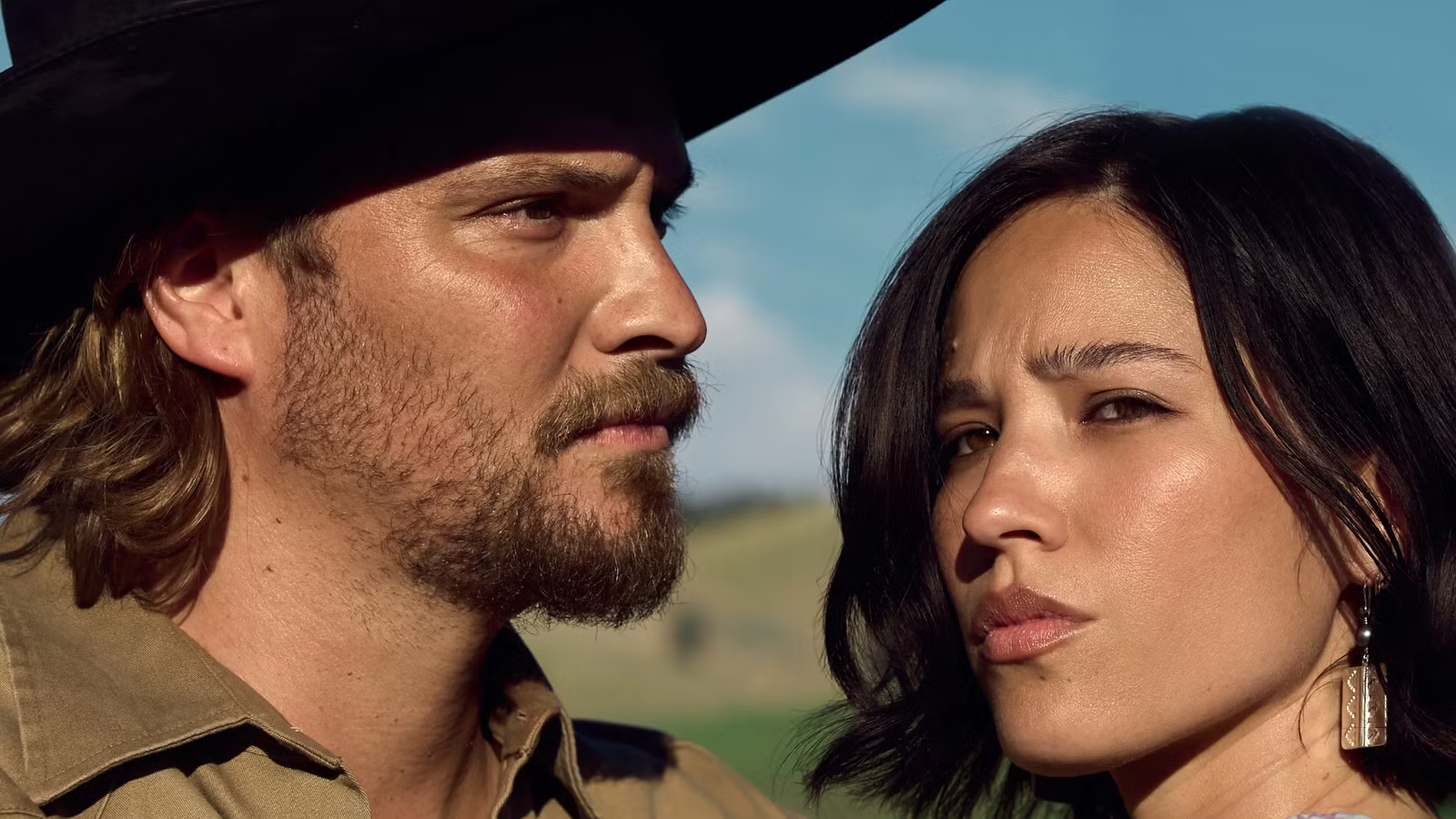
Land Rights vs. Federal Law
In the new series, the tension between local power players and federal authority is the heartbeat of the plot. John Dutton represents the ultimate local power. The Marshals aren’t just chasing outlaws; they are navigating the fallout of the Dutton era. How do you police a territory where the locals look to a rancher instead of a badge for protection?
The Moral Gray Area
John was never a “good guy” in the traditional sense, but he was the guy. He operated in a moral gray zone that would make a Boy Scout weep. Marshals leans into this complexity. The protagonists often find themselves using the very “Dutton-esque” tactics they are supposed to be dismantling. It’s an infectious way of life.
Echoes of the Dutton Way of Justice
If there’s one thing John taught us, it’s that justice is personal. In Marshals, we see this played out through a new lens.
-
The Train Station Mentality: The idea that some problems are better handled outside the courtroom.
-
Blood for Blood: A recurring theme where the law is secondary to the family.
-
The Price of Peace: Knowing that a quiet valley usually requires a lot of noise behind the scenes.
The Casting Connection: Familiar Faces and New Blood
While Marshals introduces a fresh ensemble, the casting choices and character archetypes feel like they’ve been plucked straight from the Dutton playbook. There is a grit there—a weathered, leather-tough resilience that screams Yellowstone.
New Protagonists, Old Habits
The lead characters in Marshals aren’t clean-cut heroes. They are flawed, often breaking the rules to save the system. This “end justifies the means” approach is the ultimate tribute to John Dutton’s legacy. It’s like watching John’s spirit take up a badge and a different set of spurs.
Building a Bridge Between Eras
Marshals serves as a bridge. It connects the localized, ranch-centric drama of the original series to a broader, more systemic look at the American West.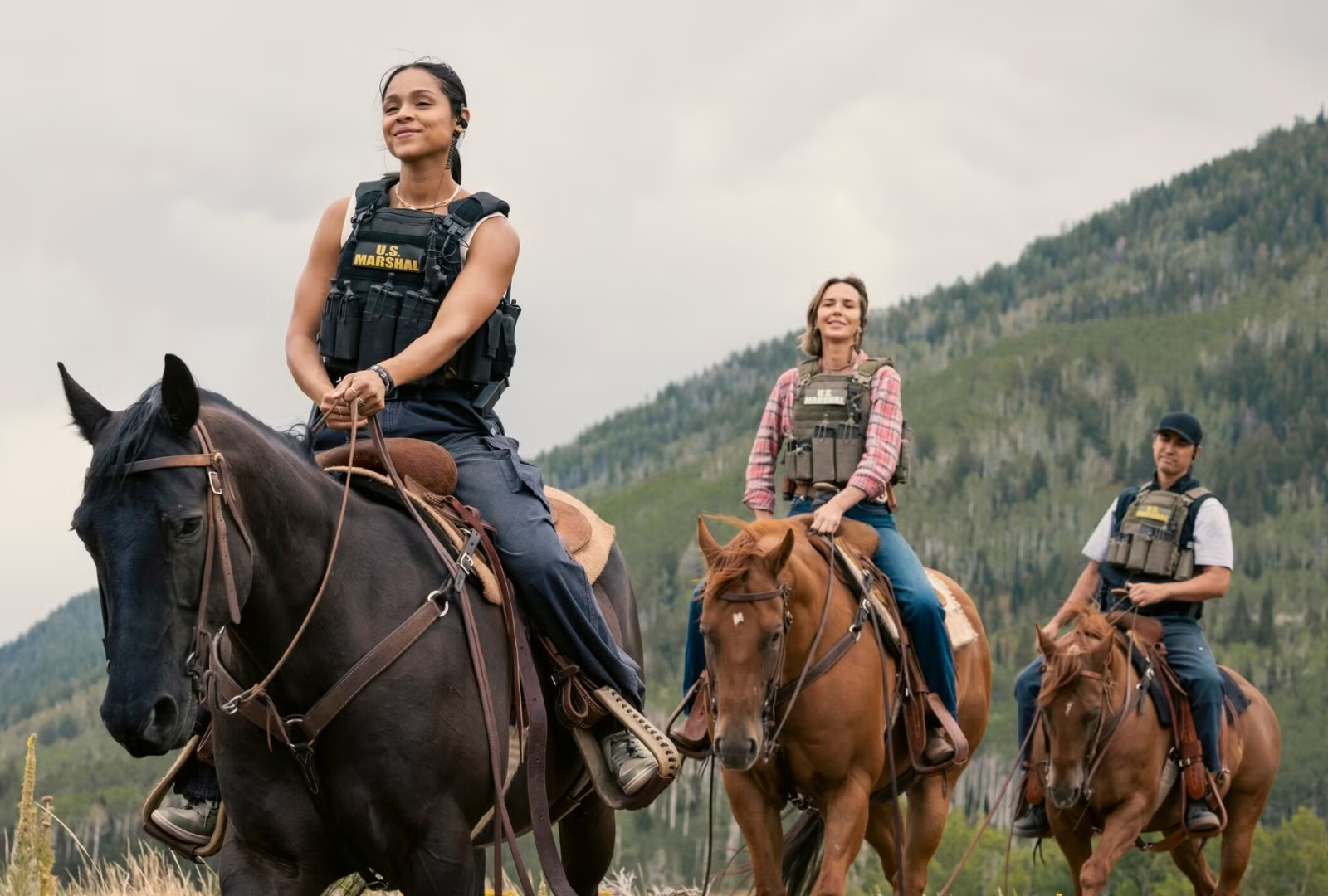
Legacy as a Narrative Device
The writers use John’s reputation as a shorthand for the stakes. When a character mentions the “trouble at the ranch” or “how things used to be done,” it carries the weight of five seasons of history. You don’t need Kevin Costner on screen to feel the chill his name sends down a criminal’s spine.
The Environmental Influence: Montana as a Character
Just as the ranch was a character in Yellowstone, the vast, unforgiving landscapes in Marshals play a pivotal role. The mountains don’t care about your badge, and they certainly didn’t care about John Dutton’s property lines.
Visual Storytelling and the Dutton Aesthetic
The cinematography in the spin-off mirrors the sweeping, cinematic beauty we’ve grown to love. The wide shots of the Big Sky country aren’t just pretty; they are a reminder of the scale of the world John tried to control. It’s a visual echo that keeps the viewer grounded in the original lore.
The Economic Impact of the Dutton Reign
In the world of Marshals, the economy of the region is still reeling from the events at the Yellowstone ranch. The power vacuum left by the Duttons’ shifting fortunes creates the very chaos the Marshals are sent to quell.
-
The Rise of New Outlaws: Criminals who see an opportunity in the wake of the Duttons’ struggles.
-
Political Instability: The fallout of John’s time as Governor is a major plot point that dictates how federal agents can operate.
The Psychological Shadow: What Would John Do?
Characters in Marshals often find themselves at a crossroads, and it’s impossible not to hear John Dutton’s voice in the back of their minds. He represents the ultimate survivalist.
A Benchmark for Toughness
To be a lawman in this world, you have to be tougher than the people you’re arresting. John Dutton was the benchmark. Every showdown, every standoff, and every tough decision in Marshals is measured against the standard John set.
The “Marshals” vs. “The Ranch”: A Clash of Ideals
The central conflict of the spin-off isn’t just about catching bad guys; it’s about the clash between the old ways and the new.
The Law of the Land vs. The Law of the Book
John Dutton stood for the law of the land—tradition, heritage, and “because I said so.” The Marshals stand for the law of the book. The lingering presence of John is found in the resistance the Marshals face from a community that still believes in the old ways.
Conclusion: The Eternal Patriarch
John Dutton may no longer be the primary focus of every frame, but his presence is the foundation upon which Marshals is built. He is the architect of the chaos and the standard for the courage required to survive it. As the Yellowstone universe continues to expand, it becomes clearer that you can take the story out of the ranch, but you can’t take the Dutton out of the story. His legacy is written in the blood, the dirt, and the very law that Marshals seeks to uphold.