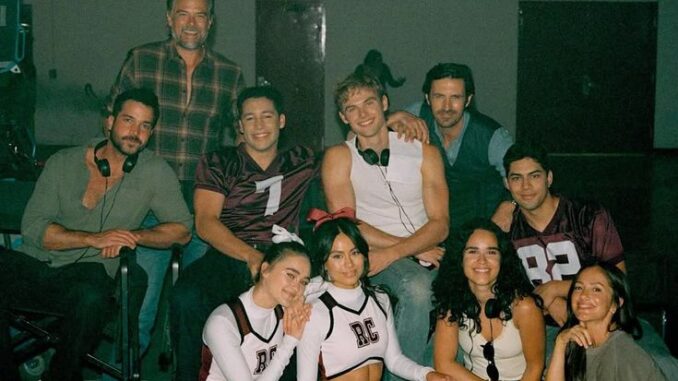
In the glamorous yet often unequal world of Hollywood, discussions about pay disparity between male and female actors continue to make headlines. The Netflix hit series Ransom Canyon, a sweeping Western romance that premiered in April 2025, brought fresh attention to this issue when star Minka Kelly opened up about her negotiation for equal pay alongside male lead Josh Duhamel.
While the headline-grabbing phrase “fight for equal pay turns ugly” might suggest explosive drama, the reality was far more nuanced—and ultimately empowering. Kelly, known for her roles in Friday Night Lights and Parenthood, didn’t back down when she learned her initial offer didn’t match Duhamel’s. Instead, she advocated for herself, leading to a substantial improvement in her compensation and highlighting both progress and persistent challenges in closing the gender pay gap in entertainment.
The Rise of Ransom Canyon: A Netflix Success Story
Ransom Canyon, based on Jodi Thomas’s bestselling novels, follows interconnected lives in a small Texas town, blending romance, family drama, and Western grit. Josh Duhamel stars as Staten Kirkland, a rugged rancher, while Minka Kelly plays Quinn O’Grady, a strong-willed woman central to the emotional core of the story. The chemistry between the two leads helped propel the series to runaway success on Netflix, topping charts shortly after its release.
The show’s appeal lies in its heartfelt storytelling and strong performances, but behind the scenes, another narrative emerged—one about fairness in pay for comparable lead roles. Duhamel, with a long career in blockbusters like the Transformers franchise, was cast first. Kelly impressed in auditions and was the only actress called back for a chemistry read with him, securing the female lead role.
How the Pay Disparity Came to Light
According to reports from Deadline and other outlets in April 2025, once Kelly received her offer, she discovered a significant gap compared to Duhamel’s salary. In an industry where lead actors’ pay can vary based on perceived star power, past earnings, or negotiation leverage, such disparities are not uncommon—but they are increasingly challenged.
Kelly, at 44, decided to address it head-on. She requested pay parity with her co-star before signing the contract. This move was considered bold, especially in a post-pandemic era where high-profile streaming roles became scarcer and competition fiercer.
The negotiation wasn’t short or simple. It involved lengthy discussions with Netflix executives. Ultimately, full parity wasn’t achieved—meaning Kelly’s final salary did not exactly match Duhamel’s. However, the streamer responded positively by significantly increasing her offer, reportedly raising it “way above her previous earnings history.” This adjustment minimized the pay gap considerably and marked a meaningful win for the actress.
In interviews tied to the show’s launch, Kelly reflected on the experience with gratitude rather than bitterness. She praised Netflix for being receptive and willing to negotiate, emphasizing that the network “stepped up in a major way.” Her comments underscored a collaborative spirit rather than confrontation.
Why Equal Pay Matters in Hollywood
The Ransom Canyon case shines a light on the ongoing gender pay disparity in entertainment. Studies and reports over the years show that women in film and TV often earn less than men for similar roles, even when qualifications and screen time are comparable. High-profile examples—like Scarlett Johansson’s disputes or the Ocean’s 8 cast advocating for equity—have pushed the conversation forward.
Kelly’s situation illustrates several key points:
- Negotiation power — Actors, especially women, must often advocate for themselves, as agents and unions may not always secure automatic parity.
- Industry progress — Netflix, under pressure from public scrutiny and internal policies, has shown willingness to address gaps in some cases.
- Persistent challenges — Full equality remains elusive, influenced by factors like prior salary history (which can perpetuate cycles of underpayment).
Kelly’s willingness to speak out encourages other performers to demand fair compensation without fear of being labeled “difficult.”
Josh Duhamel’s Response and Co-Star Dynamics
While much focus landed on Kelly’s advocacy, Josh Duhamel has addressed the matter supportively in follow-up comments. In interviews around May 2025, he expressed admiration for her stance, reportedly saying something along the lines of “Get it, girl!” when learning details. There are no indications of tension between the co-stars; in fact, promotional materials for Ransom Canyon treat them equally, and their on-screen partnership has been widely praised.
This positive dynamic contrasts with truly contentious Hollywood pay disputes, reinforcing that Kelly’s negotiation was professional and resolved amicably.
Broader Implications for the Future of Pay Equity
Minka Kelly’s experience with Ransom Canyon serves as a case study in how individual advocacy can drive change. By negotiating and publicly discussing the issue, she helped normalize conversations about equal pay without burning bridges.
Netflix, as a major player in streaming, faces ongoing scrutiny over compensation transparency. The company’s response—substantially boosting Kelly’s pay—suggests evolving practices, though critics argue more systemic changes (like salary bands or disclosure policies) are needed.
For actors everywhere, the takeaway is clear: Knowing your worth and speaking up can lead to better outcomes, even if perfection isn’t immediate. The Ransom Canyon story isn’t about an “ugly” fight—it’s about persistence, respect, and incremental progress toward a more equitable industry.
Conclusion: A Step Forward in the Fight for Fair Pay
Minka Kelly’s handling of the Josh Duhamel pay disparity in Ransom Canyon demonstrates courage and professionalism. Rather than accepting an unequal offer, she negotiated for better terms, secured a meaningful increase, and highlighted Netflix’s cooperative approach. While full pay parity wasn’t reached, the outcome reduced the gap and set a positive example.
In an industry slowly moving toward equity, stories like this remind us that change often comes through individual stands and receptive partners. As Ransom Canyon continues to captivate audiences, Kelly’s behind-the-scenes fight adds another layer of respect for her talent—both on and off screen.