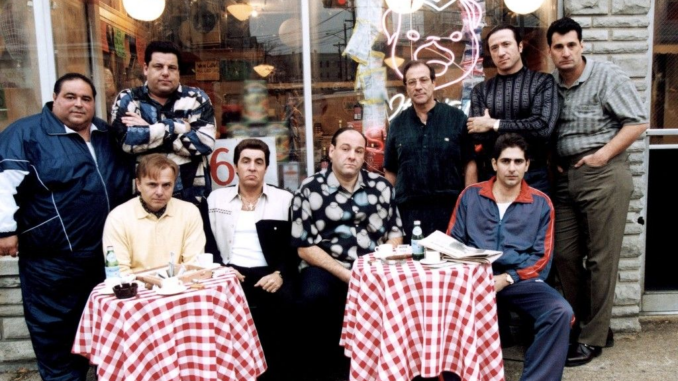
How The Sopranos Kept Key Plot Details Under Wraps
The importance of secrecy in a groundbreaking series
When The Sopranos debuted in 1999, it quickly became known for its unpredictable storytelling and shocking narrative turns. Much of the show’s impact relied on keeping audiences in the dark, making secrecy a core part of its production strategy.
To maintain that unpredictability, HBO and the creative team implemented strict measures to ensure that major plot developments were never revealed ahead of time.
Tight control over scripts
One of the most effective tactics was limiting access to scripts.
Only select cast and crew members were given full versions, while others:
- Received scripts shortly before filming
- Had access only to their own scenes
- Worked with closely monitored physical copies
By reducing how many people knew the full story, the production minimized the chances of leaks.
Filming without full context
Another key strategy involved keeping even actors partially in the dark.
In some cases:
- Scenes were filmed without revealing their full narrative context
- Alternate versions of key moments were shot
- Major plot developments were discussed only with essential personnel
This approach ensured that even those involved in production couldn’t easily piece together the complete storyline.
Closed sets and restricted access
For especially critical scenes, the production enforced closed-set policies.
This meant:
- Minimal crew presence during filming
- No visitors or external media allowed
- Strict monitoring of who could access the set
These precautions were particularly important for high-stakes moments that could define entire seasons.
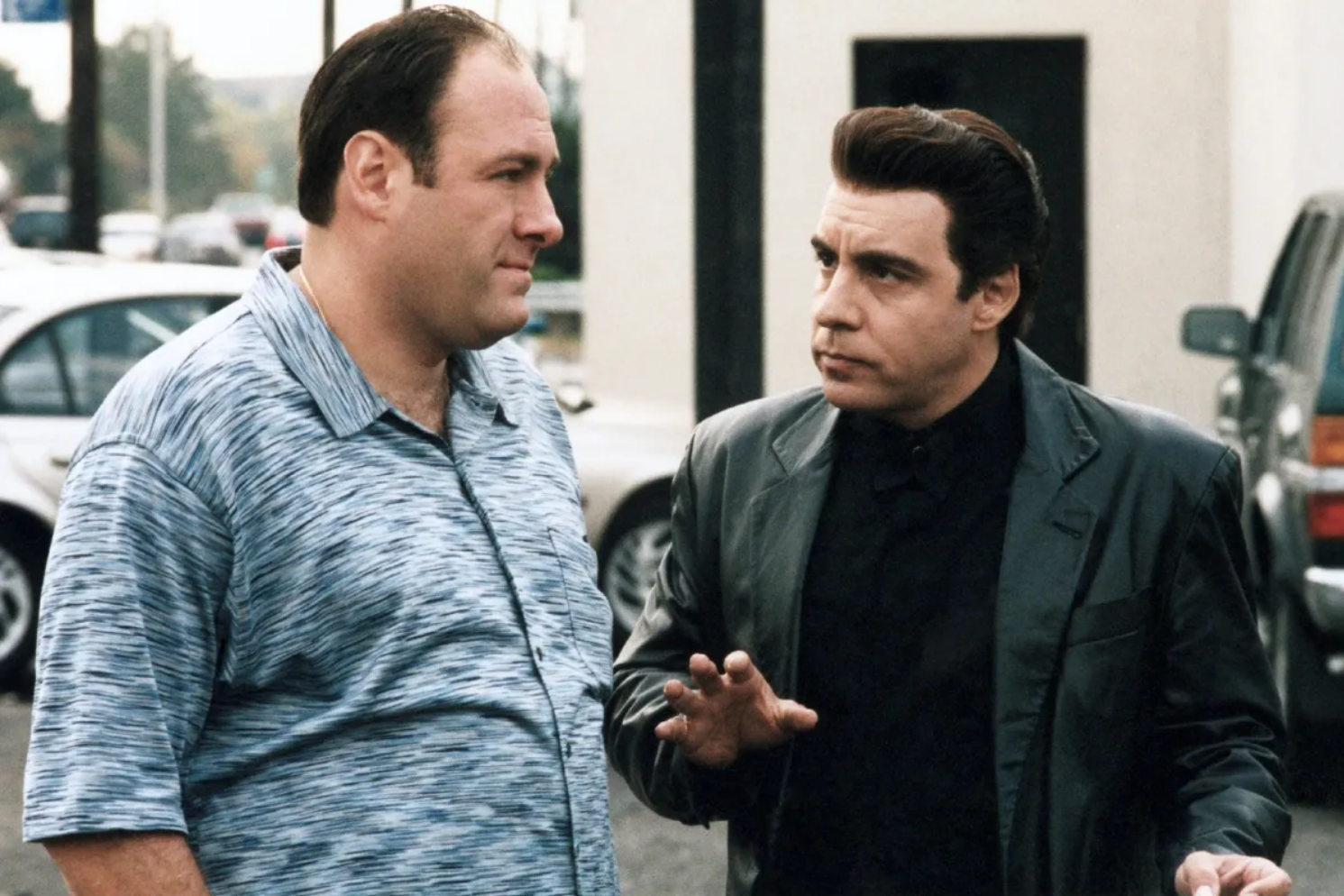
HBO’s role in maintaining secrecy
As the network behind the series, HBO played a major role in protecting the show’s narrative integrity.
Efforts included:
- Carefully controlled press materials
- Limited early screenings for critics
- Marketing strategies that avoided revealing key twists
By aligning promotion with secrecy, HBO ensured that anticipation remained high without spoiling major developments.
Why it worked
The result of these combined efforts was a viewing experience that felt fresh and unpredictable.
Audiences stayed engaged because:
- Major twists were never spoiled in advance
- Character arcs unfolded organically on screen
- Each episode carried genuine suspense
This level of narrative control helped The Sopranos stand out and set a new standard for television storytelling.
Conclusion
The Sopranos didn’t just revolutionize television through its writing and performances — it also changed how stories were protected behind the scenes.
Through strict script control, strategic filming, and a culture of confidentiality, the series successfully kept its most important secrets hidden. That discipline played a crucial role in delivering the kind of storytelling that continues to influence television today.