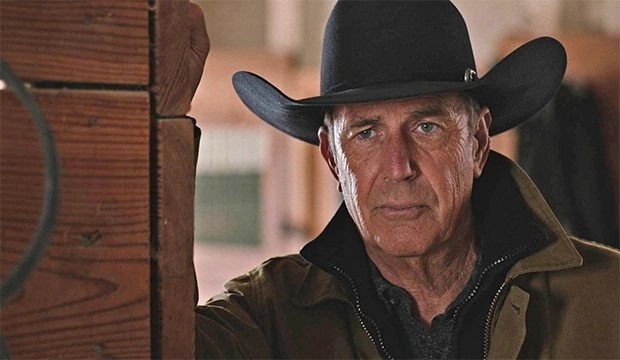
Why Kevin Costner Left ‘Yellowstone’—Plus What He’s Been Doing Since His Shocking Exit
When a massive TV hit suddenly loses its leading star, fans feel it like a punch to the gut. That’s exactly what happened when Kevin Costner stepped away from Yellowstone, the modern Western phenomenon that redefined prime-time drama.
For years, Costner’s portrayal of ranch patriarch John Dutton was the show’s heartbeat. So why did he leave? And what’s he been doing since? Let’s unpack the real story—no rumors, just context, industry insight, and what this shift means for fans.
The Cultural Impact of Yellowstone
Before diving into the exit, you need to understand the scale.
Yellowstone wasn’t just popular—it became a cultural wave. The series blended family drama, political intrigue, and Western grit into a formula audiences couldn’t stop watching.
Cowboy hats returned to fashion. Ranch tourism surged. And suddenly, Western storytelling felt modern again.
At the center of it all stood John Dutton.
Kevin Costner as John Dutton—The Role That Defined an Era
Costner didn’t just play the character—he anchored the show’s identity.
His performance balanced quiet authority with emotional vulnerability. You believed this man could run a billion-dollar ranch and still break over family betrayal.
That authenticity helped turn a cable drama into a franchise empire.
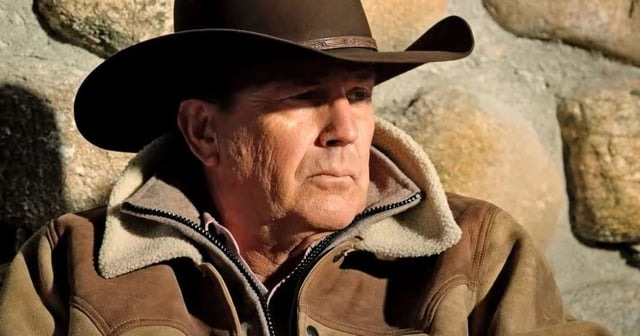
The First Signs of Trouble Behind the Scenes
Success often hides tension.
As Yellowstone grew, production schedules became more demanding. Episodes expanded. Spinoffs multiplied. Expectations skyrocketed.
Industry whispers started pointing to conflicts over filming time and creative direction.
Nothing dramatic at first—just friction.
But friction can become fire.
Scheduling Conflicts Took Center Stage
Costner wasn’t only acting. He was developing passion projects, directing films, and managing producing responsibilities.
Reports suggested disagreements about how many days he needed to film versus how many the production required.
In Hollywood, time equals money—and control.
Creative Differences Added Fuel
Another factor? Story direction.
The show’s creator, Taylor Sheridan, expanded the universe rapidly with multiple spinoffs. That meant shifting narrative focus.
When a series grows beyond its original core, even its lead can feel the ground move beneath their feet.
That doesn’t mean conflict equals hostility. Sometimes it just means priorities diverge.
The Official Announcement—A Shock to Fans
When confirmation came that Costner wouldn’t continue, reactions were immediate.
Fans flooded social media. Headlines called it one of TV’s biggest departures of the decade.
Why? Because Yellowstone without John Dutton felt unimaginable.
Yet TV history shows this happens. Shows evolve. Stars move on. Stories find new centers.
Money Rumors vs. Reality
Whenever a star leaves a hit show, speculation often points to salary disputes.
While compensation conversations were part of industry chatter, insiders repeatedly emphasized scheduling as the primary issue.
In other words: less about dollars, more about time and creative autonomy.
Think of it like a band where the lead singer wants to record a solo album. Nobody is necessarily wrong—the paths just split.
The Changing Television Landscape
Streaming changed expectations.
Shorter schedules. Flexible contracts. Actor-driven projects.
Traditional TV production, especially large-scale dramas, still requires long commitments.
Costner leaned toward flexibility. The series needed consistency.
That tension is modern Hollywood in a nutshell.
Kevin Costner’s Passion Project—A Western Dream Years in the Making
If you want the biggest reason for his exit, look here.
Costner had spent decades trying to make an epic Western film series. Not just one movie—an entire saga.
That dream finally moved forward.
The project? Horizon: An American Saga.
He didn’t just star in it. He directed, produced, and invested personally.
That level of commitment changes everything.
Why Horizon Matters So Much to Costner
For Costner, Western storytelling isn’t a genre—it’s identity.
From earlier films to television, he’s built a legacy around frontier narratives. Horizon represents the culmination of that journey.
Leaving a hit show to bet on your own vision is risky.
But it’s also deeply personal.
What He’s Been Doing Since Leaving Yellowstone
Contrary to the idea that he disappeared, Costner has been extremely active.
Filming and Releasing Horizon
He poured years into production, overseeing everything from casting to editing.
It’s the kind of creative control actors rarely get inside major TV franchises.
Producing and Business Ventures
Costner expanded work behind the camera, focusing on long-term storytelling rather than episodic television.
Music and Touring
Many fans forget—Costner is also a musician. His band performances and live appearances continued alongside film promotion.
In short, he didn’t slow down. He redirected.
How Yellowstone Changed Without Him
A show losing its lead forces reinvention.
Storylines shifted toward ensemble arcs. Supporting characters gained more weight. The franchise leaned into its broader universe.
Some fans loved the change. Others missed the anchor.
That split reaction is common when a central figure exits.
The Rise of the Yellowstone Universe
Spinoffs allowed the franchise to survive the transition.
Prequels, side stories, and new characters expanded the mythology beyond one man.
Ironically, Costner’s departure may have accelerated the transformation from series to universe.Was the Exit Permanent?
Hollywood rarely says “never.”
While Costner confirmed stepping away from the series, industry history shows doors can reopen—cameos, special episodes, even films.
The relationship wasn’t framed as a feud. More like timing that didn’t align.
And timing can change.
What Fans Really Felt About the Exit
Emotion.
That’s the simplest answer.
John Dutton represented stability in a chaotic narrative. Removing him felt like removing the spine.
But it also created curiosity: What happens when the king leaves the ranch?
Great storytelling often begins there.
The Bigger Industry Lesson
Costner’s departure highlights a major shift:
Stars are choosing ownership over long contracts.
Instead of staying on one show for years, many actors now build personal franchises.
It’s riskier. But potentially more rewarding.
Think entrepreneurship, not employment.
Kevin Costner’s Legacy Beyond Yellowstone
Even without the show, his impact remains massive.
He helped redefine the modern Western. He proved cable dramas could rival blockbuster films. And he showed veteran actors can lead global hits.
Leaving doesn’t erase that.
If anything, it reinforces it.
What’s Next for Kevin Costner
Future chapters likely include:
-
More Horizon installments
-
Directing large-scale historical stories
-
Select acting roles rather than long series commitments
-
Continued work in music and producing
He’s shifting from star to architect.
And that’s a fascinating transition to watch.
Conclusion: A Departure That Changed More Than One Show
Kevin Costner leaving Yellowstone wasn’t just a casting change—it was a moment that reflected how Hollywood itself is evolving.
Scheduling conflicts, creative ambition, and a lifelong dream collided at the same time. Rather than compromise, he chose reinvention.
That decision reshaped a franchise and opened a new chapter in his career.
Sometimes the most shocking exits aren’t endings at all.
They’re pivots.
And if Costner’s history tells us anything, the next frontier is rarely smaller—it’s bigger.