The wail of a siren, the clang of the L train, the biting wind off Lake Michigan – these are the visceral sounds that define Chicago P.D. For ten seasons, the show has etched a dark, complex portrait of justice in the city’s unforgiving streets, anchored by the Intelligence Unit’s morally ambiguous battles. But a seismic shift has occurred, one that has sent ripples through the fandom and sparked a fierce debate: Is Chicago P.D. still Chicago P.D. without Hailey Upton?
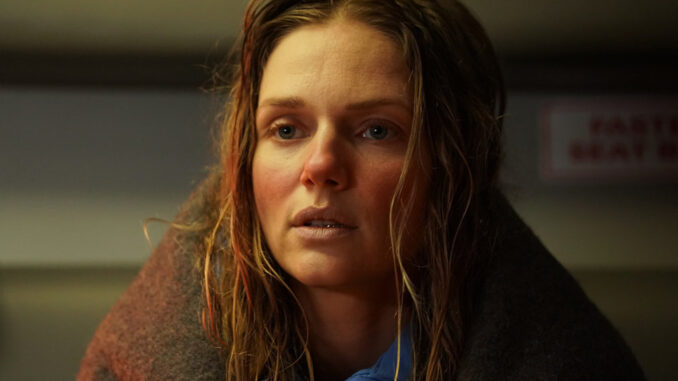
To pose this question is to acknowledge the profound impact of Tracy Spiridakos’s character. Detective Hailey Upton was more than just a badge; she was a raw nerve, a coiled spring of righteous anger and deep-seated trauma, often teetering on the brink of her own moral abyss. Her intensity, a counterpoint to the more stoic personalities around her, became a vital organ of the show. Her partnership with Jay Halstead, and later their marriage, “Upstead,” formed the emotional core for many seasons, drawing viewers into a relationship that was both a sanctuary and a crucible. When Halstead left, Upton’s character was left unraveling, her struggles amplified, her connection to the unit and to Voight becoming increasingly tenuous. Her eventual departure, therefore, leaves not just an empty desk, but a gaping wound in the show’s narrative tapestry. She represented a particular brand of internal conflict, a wrestling with the darkness of the job that resonated deeply, and her absence feels like a crucial perspective has been muted. For many, the show without Upton, especially without the lingering echoes of Upstead, feels like a machine missing a vital, whirring gear.
Yet, amidst this palpable absence, the immutable heart of Chicago P.D. continues to beat. The show’s essence, its very DNA, predates Upton and will likely outlast many who follow. At its core stands Sergeant Hank Voight, a character of such formidable, grizzled authority and moral elasticity that he is arguably the show’s true protagonist. Voight’s “ends justify the means” philosophy, his unflinching dedication to protecting his city and his unit, irrespective of legal boundaries, is the show’s foundational pillar. His presence alone ensures that the gritty, ethically compromised pursuit of justice remains.
Beyond Voight, the city of Chicago itself is an enduring, palpable character – a canvas of steel and shadow, privilege and poverty, where the fight for justice is never clean. The relentless pulse of the city, its diverse neighborhoods, its systemic challenges, these are constants. And within the Intelligence Unit, the ensemble cast – Atwater’s unwavering moral compass, Burgess’s growth into a seasoned detective and mother, Ruzek’s journey from impulsive rookie to reliable veteran – each contributes distinct voices and perspectives. Their individual arcs and evolving relationships ensure that the human drama, the sense of found family amidst the chaos, persists. The show’s procedural engine, the constant stream of compelling, often heartbreaking cases, also remains intact, pulling viewers into the harsh realities that define the 21st-century police force.
Upton’s departure, then, while undeniably significant, forces Chicago P.D. into a crucible of reinvention. It compels the writers to explore new character dynamics, allowing other members of the unit to step into the narrative void, to carry heavier emotional loads, and to forge new alliances. Who will now be Voight’s moral foil? Who will shoulder the intensity that Upton brought? This vacancy is not just a loss, but an opportunity – a chance for the show to shed some of its established comfort zones and explore new facets of its identity. It might necessitate a return to the ensemble-driven storytelling of earlier seasons, or a deepening of the individual journeys of the remaining characters, making them more central and complex. The show’s future direction, as fans keenly debate, hinges on whether it can successfully navigate this transition, proving that its core themes of loyalty, sacrifice, and the blurred lines of justice are robust enough to withstand even the most significant cast changes.
So, is Chicago P.D. still Chicago P.D. without Upton? The answer is a resounding, yet complicated, yes. It is still Chicago P.D. in its unwavering commitment to the gritty, often brutal realities of urban policing, in the enduring presence of Voight, and in the indomitable spirit of the city itself. But it is also a different Chicago P.D. now, forced to adapt, to evolve, and to rediscover its rhythm without one of its most potent, emotionally charged voices. The debate itself is a testament to the character’s impact and the show’s power to create such deep connections. The future direction, then, is not about whether the show can continue, but about how it will rise to the challenge, proving that its soul is rooted not in one character, but in the relentless, unwavering pulse of Chicago and the complex, flawed heroes who fight for it.