Is the Reagan Family Dinner Becoming a ‘Nightmare’ for Blue Bloods Viewers?
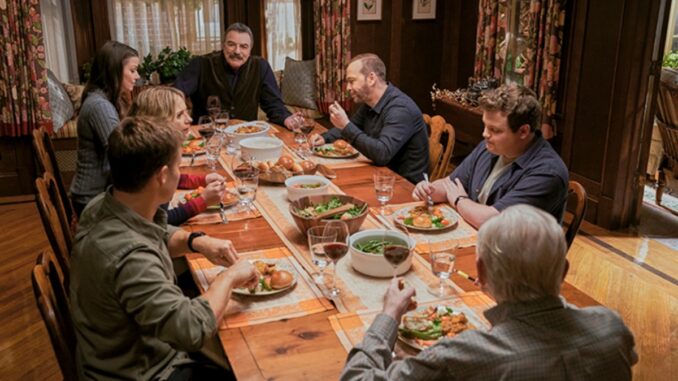
For over a decade, the Reagan family dinner has been the heartbeat of Blue Bloods. It’s the Sunday ritual we all RSVP’d to—a warm, mahogany-tinted sanctuary where the law met the legacy over a plate of roast beef. But as we move deeper into the show’s final chapters, a strange chill has entered the room. What used to be a cozy cornerstone of television is starting to feel, dare we say, a bit suffocating?
The Sacred Sunday Ritual: A Brief History
To understand why some fans are calling the dinner a “nightmare,” we have to remember why we loved it in the first place. The dinner table wasn’t just a set piece; it was a character. It represented a world where, no matter how chaotic the streets of New York got, you could always come home to family.
The Glue That Held the NYPD Together
Frank Reagan, the patriarch, used that table to instill values. It was the one place where the Commissioner, the Detective, the Sergeant, and the Assistant District Attorney were all on equal footing. It was about grace, tradition, and the passing of the torch.
When Tradition Becomes Repetitive
So, where did it go wrong? The primary complaint from the “nightmare” camp is the sheer predictability. If you’ve seen one Reagan dinner, have you seen them all?
-
The Conflict: Someone brings a case to the table.
-
The Clashing Perspectives: Danny is hot-headed, Erin is legalistic, and Jamie is the moral compass.
-
The Resolution: Frank drops a nugget of wisdom, they say grace, and the credits roll.
After hundreds of episodes, that rhythm can start to feel less like a heartbeat and more like a ticking clock.
The “Preachy” Problem: Is the Table a Soapbox?
In recent seasons, the dialogue at the table has shifted. Many viewers feel the show has traded organic family banter for heavy-handed moralizing.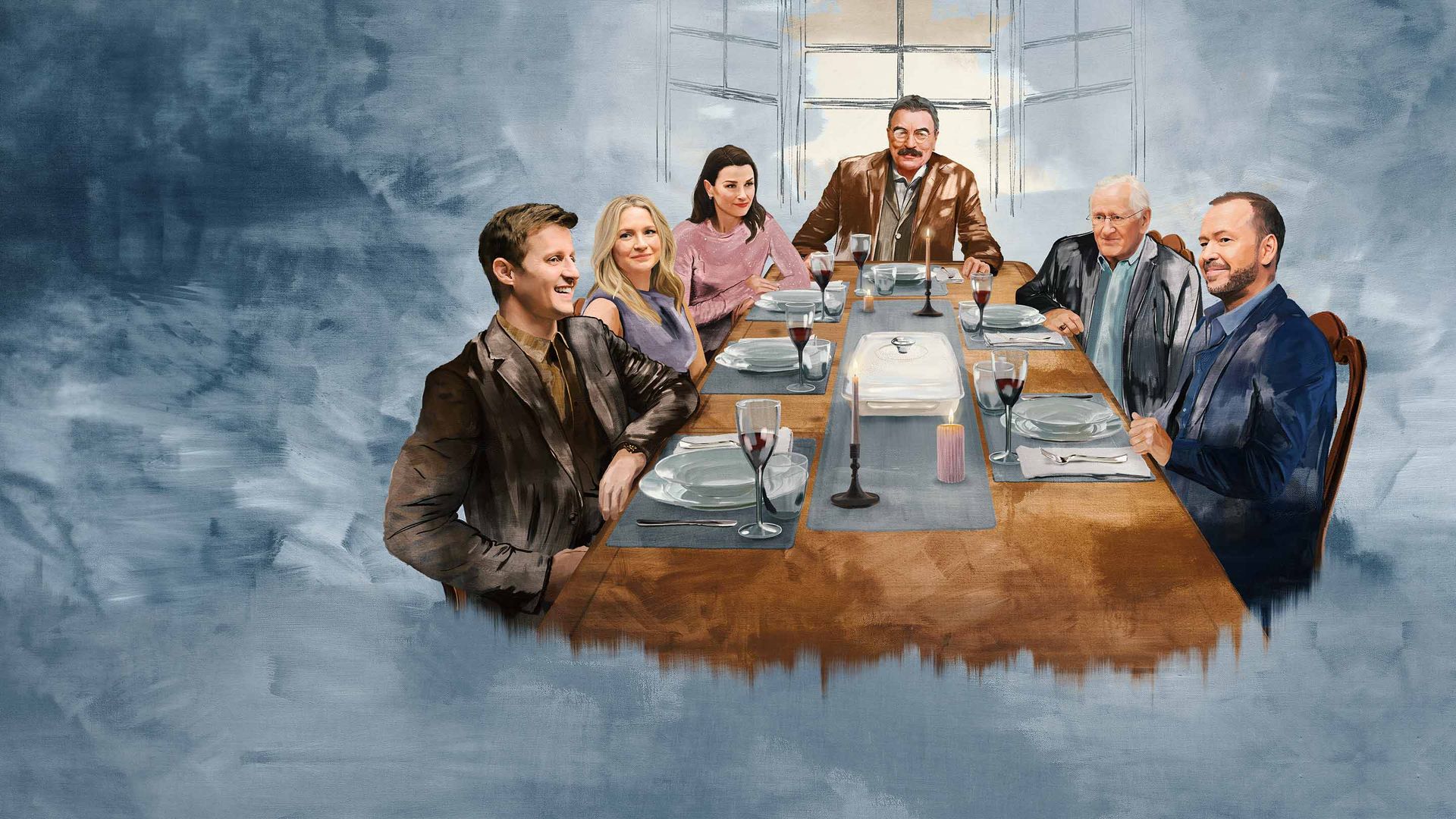
Moral Grandstanding vs. Actual Conversation
Sometimes, it feels like the characters aren’t talking to each other; they’re talking at the audience. When the dinner turns into a 10-minute lecture on the ethics of modern policing, the “comfort” of the scene evaporates. It’s like being invited to a party only to realize it’s actually a PowerPoint presentation on civic duty.
The “Danny vs. Erin” Fatigue
We love a good sibling rivalry, but the constant bickering between Danny and Erin has become a source of stress for many. While it’s realistic for siblings to disagree, the intensity sometimes feels misplaced for a “family” meal.
Why the Friction is Rubbing Fans the Wrong Way
Is it a nightmare because it reminds us too much of our own awkward holiday dinners? Perhaps. But in a fictional world where we seek escape, watching Danny Reagan yell over mashed potatoes for the 200th time can be more draining than entertaining.
The Ghost at the Table: Missing Dynamics
The table has seen its fair share of loss. From Linda’s tragic exit to the aging of the grandkids, the dynamic has fundamentally shifted.
The Kids Have Grown Up, but the Format Hasn’t
Seeing the “kids” (who are now full-grown adults) still sitting in the same spots, having the same types of arguments, creates a bit of a developmental disconnect. The show hasn’t quite figured out how to evolve the dinner to match the maturity of its younger cast members.
The Logistics of the “Nightmare”
Let’s get technical for a second. The Reagan dinner is often the longest scene in an episode. In an era of fast-paced streaming and high-octane dramas, a static scene of people eating can feel like a pacing killer.
Does It Stifle the Plot?
Some critics argue that the mandatory dinner scene forces the writers to wrap up complex procedural plots prematurely just to make sure everyone is home by 6:00 PM. It creates a “procedural bottleneck” where the story has to bend to fit the furniture.
Is it Still the Heart of the Show?
Despite the “nightmare” labels, there is a vocal contingent of fans who will defend the dinner until the last bite. To them, the table is a protest against the cynical, fragmented world of modern TV.
The Comfort of Consistency
In a world of “Peak TV” where characters are constantly being killed off or betrayed, the Reagans staying exactly the same is actually a comfort. It’s the television equivalent of a warm blanket—even if that blanket is a little threadbare.
How the Show Can “Fix” the Table
If the dinner is becoming a burden, how do the creators lighten the load?
-
Change the Venue: Why not a backyard BBQ or a restaurant once in a while?
-
Lower the Stakes: Not every dinner needs to be a debate on the Bill of Rights. Sometimes, just let them talk about their lives.
-
Invite Outsiders: Nothing shakes up a stale dynamic like a guest who doesn’t know the “rules.”
The Final Verdict: Dream or Nightmare?
Calling the Reagan dinner a “nightmare” might be a bit of a hyperbole, but it highlights a real sense of viewer fatigue. As Blue Bloods approaches its final episodes, the dinner table remains the show’s greatest strength and its most glaring weakness. It is a beautiful, flawed, stubborn, and occasionally exhausting tradition—much like family itself.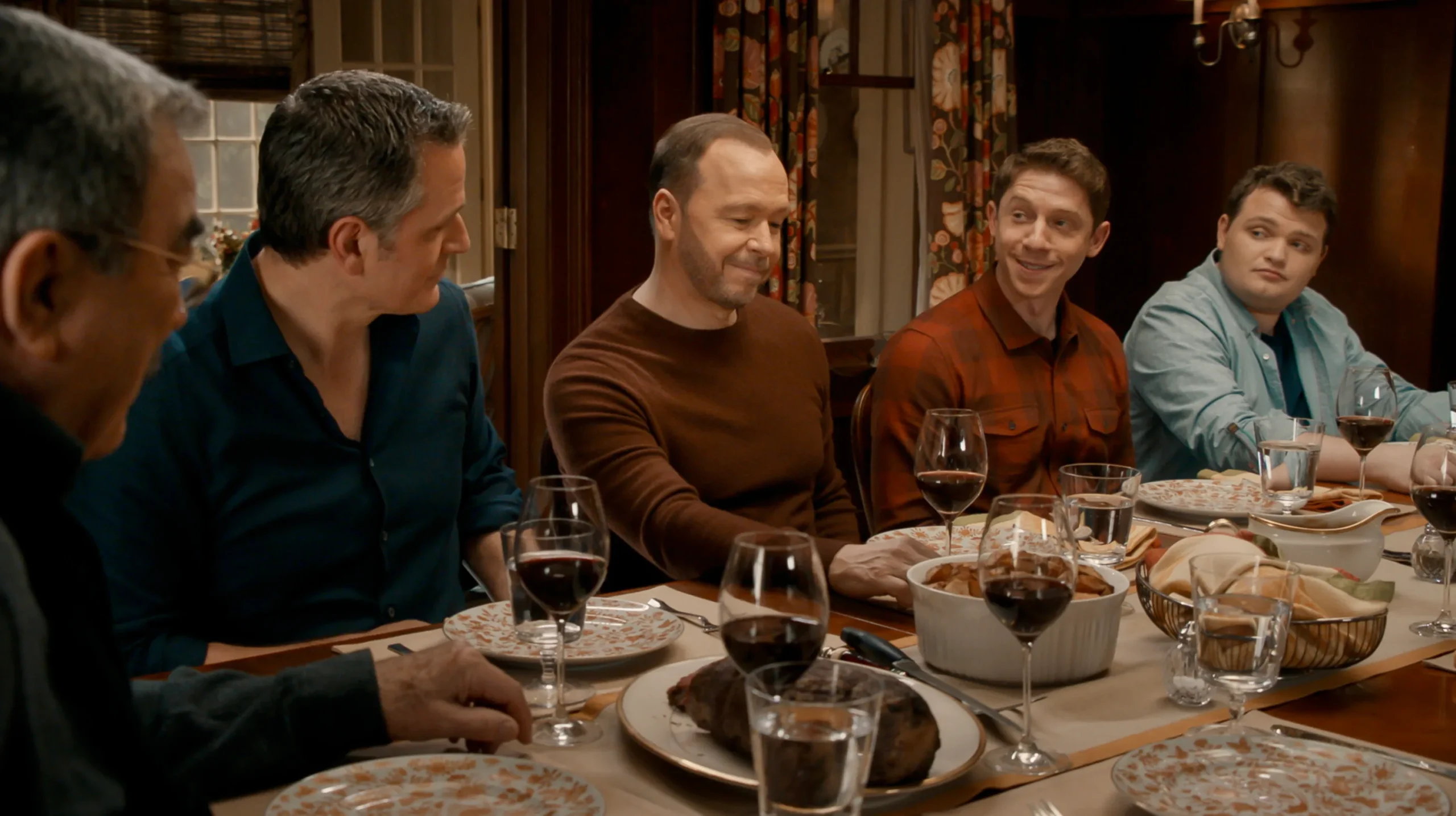
Why We Still Can’t Look Away
At the end of the day, even if we complain about the tension or the preaching, we’re still watching. We’re still pulling up a chair. Because in a world that feels increasingly divided, there’s something undeniably magnetic about a family that refuses to leave the table until the grace is said.
Conclusion
The Reagan family dinner isn’t a nightmare because it’s “bad”; it’s becoming a challenge because it’s iconic. It carries the weight of 14 years of expectations. While the “preachy” tone and repetitive arguments might grate on some, the dinner remains the soul of Blue Bloods. Whether you find it a comfort or a chore, the Sunday meal is the one thing that truly makes the Reagans who they are.