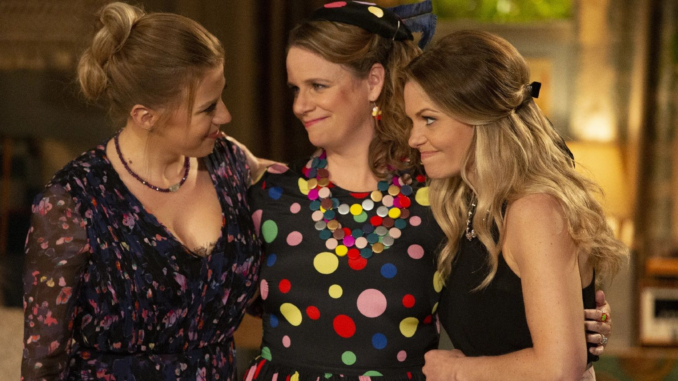
Watching Full House Hits Different Now
When Full House first aired, it felt harmless. Cozy jokes, life lessons, and family hugs wrapped neatly into 30 minutes. But time has a way of changing perspective. What once felt playful can, years later, feel uncomfortable.
That’s exactly why recent reflections from Jodie Sweetin and Andrea Barber have sparked conversation. Both actresses have openly shared that, looking back, they believe the adult characters on Full House were often too mean to Kimmy Gibbler. And honestly? Once you see it, you can’t unsee it.
Why Kimmy Gibbler Was Always the Punchline
Kimmy Gibbler existed in a strange space. She wasn’t part of the Tanner family, yet she was always around. Instead of being welcomed, she was routinely mocked, dismissed, and treated as a nuisance.
At the time, it played as comedy. Today, it lands more like exclusion.
Andrea Barber’s Unique Perspective
Andrea Barber lived this character. She played Kimmy through awkward teen years, exaggerated jokes, and relentless teasing. Looking back as an adult, Barber has acknowledged how harsh the treatment often was—especially from characters who were supposed to model kindness.
It’s one thing for kids to tease. It’s another when adults pile on.
Jodie Sweetin Reflects With Adult Awareness
Jodie Sweetin has also spoken candidly about rewatching episodes and feeling surprised by how frequently Kimmy was targeted. As someone who grew up on set, Sweetin brings a layered perspective—part cast member, part audience.
Her takeaway? The humor sometimes crossed into mean-spirited territory.
When Comedy Punches Down, It Ages Poorly
Comedy evolves. What was once acceptable can feel outdated—or even cruel—years later. Kimmy Gibbler’s treatment is a textbook example of humor that “punches down.”
The jokes rarely challenged authority. They targeted the odd one out.
How the Adults Framed Kimmy as ‘Other’
Danny, Jesse, and Joey weren’t villains. But they often reacted to Kimmy with exaggerated annoyance, sarcasm, or outright insults. The message was subtle but clear: Kimmy didn’t belong.
That framing taught audiences who was “acceptable” and who wasn’t.
Why Kids Absorb More Than We Think
Sitcoms don’t exist in a vacuum. Kids watching Full House absorbed those dynamics. Seeing adults mock a teenage girl for being different sends a message—even if unintended.
It’s like background music. You don’t notice it, but it shapes the mood.
Kimmy Gibbler as the Original ‘Weird Girl’ Trope
Kimmy wasn’t bad. She was loud, quirky, and unapologetically herself. Instead of celebrating that, the show often turned her into a walking joke.
In today’s world, we might call that bullying—especially when it’s constant.
Why Fuller House Changed the Narrative
Fuller House gave Kimmy something Full House never fully did: respect. She was still quirky, but she was valued, loved, and central to the story.
That shift felt intentional—and long overdue.
Andrea Barber’s Redemption Arc
Barber’s return as Kimmy wasn’t about nostalgia alone. It was about reclaiming the character. Kimmy was no longer just the annoying neighbor. She was a mother, a best friend, and a vital part of the family unit.
That evolution spoke volumes.
Rewatching Full House Through a Modern Lens
Streaming has given fans the chance to binge Full House with adult eyes. Many viewers now notice things they missed as kids—the tone, the imbalance, the repeated jokes at Kimmy’s expense.
It’s not about canceling the show. It’s about understanding it.
Why Intent Doesn’t Erase Impact
No one involved intended harm. But intention doesn’t cancel impact. Sweetin and Barber aren’t attacking the show—they’re reflecting on it.
And reflection is how culture grows.
How Sitcom Dynamics Have Changed
Modern sitcoms are more careful about how humor targets characters. Outsiders are often embraced, not mocked. Kimmy’s treatment reminds us how far storytelling has come.
Progress often starts with honest hindsight.
Fans Reevaluate Kimmy Gibbler With Compassion
Fans today see Kimmy differently. She wasn’t annoying—she was resilient. Walking into a house where you’re constantly unwelcome takes confidence.
In retrospect, Kimmy was stronger than anyone gave her credit for.
Why These Conversations Matter Now
Talking about this isn’t about tearing down Full House. It’s about acknowledging growth. Shows shape culture, and revisiting them thoughtfully helps us do better moving forward.
Nostalgia and accountability can coexist.
Kimmy Gibbler as an Unintentional Role Model
Despite everything, Kimmy never changed who she was to fit in. She kept showing up. That consistency, once mocked, now feels admirable.
She was the realest character in the room.
Conclusion: Looking Back With Honesty and Growth
Jodie Sweetin and Andrea Barber’s reflections don’t ruin Full House—they enrich it. They invite fans to look back with nuance, empathy, and maturity.
Kimmy Gibbler deserved more kindness. Acknowledging that doesn’t erase the show’s legacy—it strengthens it. Growth starts when we’re willing to say, “We can do better now.”
FAQs
1. Did Jodie Sweetin criticize Full House directly?
No, she offered reflective commentary based on rewatching the show as an adult.
2. How did Andrea Barber feel about Kimmy’s treatment?
She has acknowledged that the character was often unfairly targeted for laughs.
3. Was Kimmy Gibbler meant to be disliked?
She was written as quirky, but the humor frequently leaned into mockery.
4. Did Fuller House address this issue?
Yes, it portrayed Kimmy as valued and central rather than an outsider.
5. Why does this conversation matter today?
Because reexamining old media helps shape more inclusive storytelling going forward.