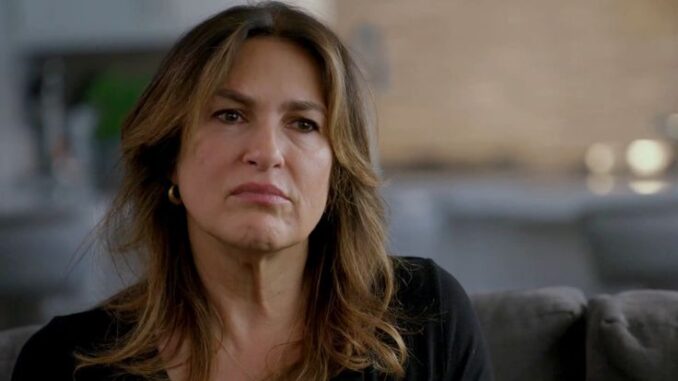
A dramatic look at Mariska Hargitay’s stunt injury, her evolving approach to doubles, and what it could mean for Law and Order: SVU’s future seasons.
When the Line Between Grit and Risk Gets Real
Fans have always admired the physical commitment that powers Law and Order: SVU. From alley chases to emotionally charged confrontations, the series asks its cast to live inside danger—sometimes literally. That’s why the revelation that Mariska Hargitay once suffered a collapsed lung from a stunt hit viewers with a jolt. It reframes years of fearless performances through a more human lens and raises a compelling question: how does a long-running show balance authenticity with safety as its stars evolve?
This isn’t about sensationalizing injuries. It’s about understanding how one of television’s most enduring icons thinks about risk now—and what that perspective could mean for future seasons.
Context Without Spoilers: A Show Built on Intensity
Since its debut, Law and Order: SVU has thrived on urgency. The procedural’s identity is rooted in kinetic storytelling—foot pursuits, tense standoffs, and raw emotion. At the center of that storm stands Detective Olivia Benson, portrayed by Mariska Hargitay, whose steady presence has guided fans through countless seasons and episodes.
Early in the show’s run, physical scenes were often handled with minimal distance between actor and action. Like many performers in the early 2000s, Hargitay embraced the grind, trusting her body to keep up with the storyline’s demands. That mindset produced iconic moments—but it also carried real-world consequences, including a serious stunt injury that resulted in a collapsed lung.
Why This Character—and This Revelation—Matters to Fans
For many viewers, Olivia Benson isn’t just a character; she’s a constant. The evolution of Benson mirrors the audience’s own growth—decades of watching, feeling, and learning. When fans hear that Hargitay paid a physical price for that realism, it deepens the bond.
It also reframes bravery. Courage isn’t only sprinting into danger; sometimes it’s knowing when to step back. As conversations around on-set safety and longevity grow louder, fans are reexamining what they value most: the illusion of risk, or the reality of a performer’s well-being?
Key Moments and Themes: From “Do-It-All” to “Do-It-Safely”
The Injury That Changed the Equation
A collapsed lung is not a minor setback. It’s the kind of injury that forces reflection. While details have been shared selectively over the years, the takeaway is clear: the experience prompted a reassessment of how action is executed on set.
The Role of Stunt Doubles—Then and Now
Using doubles isn’t new to television, but attitudes toward them have shifted. Hargitay has indicated—carefully and without drama—that her approach today is more collaborative. High-risk maneuvers are more likely to be delegated to trained stunt professionals, while she focuses on performance, presence, and emotional truth.
This doesn’t dilute authenticity; it sharpens it. The camera still sells intensity, but the risk is distributed responsibly.
Aging, Experience, and Authority
There’s also a thematic resonance here. As Benson has risen through the ranks, the show’s action language has matured. Authority replaces recklessness; strategy replaces sprinting. The character’s evolution aligns naturally with safer production choices.
Fan Reactions and Online Buzz (Speculative, Not Confirmed)
Online, fans are talking—but not panicking. Some worry that increased reliance on doubles could soften the show’s edge. Others argue the opposite: that SVU has never been about stunts alone, but about emotional stakes.
Speculation bubbles in comment sections:
-
Will action scenes feel different next season?
-
Could this shift give more screen time to investigative depth?
-
Is this a sign the show is preparing for a longer future with its core cast intact?
None of these questions come with confirmed answers. But the buzz itself signals engagement—and trust.
What This Could Mean for Future Seasons and Episodes
A Smarter Action Blueprint
Future seasons may lean into suggestive action—tight edits, sound design, and character-driven tension—rather than prolonged physicality. It’s a strategy many prestige dramas use to great effect.
Longevity for the Cast
Protecting performers extends the life of a series. Fans who want to see Benson’s story continue understand that sustainability matters. A safer set today could mean more seasons tomorrow.
Storyline Opportunities
Interestingly, this real-world shift could inspire narrative nuance. Episodes might explore leadership under pressure, mentorship, and the cost of years on the job—without ever needing to reference real injuries.
The Broader TV Conversation: Safety, Craft, and Respect
Across television, there’s a growing respect for the craft of stunts—and for the professionals who perform them. Shows on networks like NBC are increasingly transparent about safety protocols, reflecting industry-wide learning.
Hargitay’s openness—measured and thoughtful—fits that trend. It’s not a warning; it’s a wisdom earned.
Final Thoughts: Strength Isn’t Always About Taking the Hit
The idea that Mariska Hargitay once pushed herself to the point of serious injury is sobering. The idea that she learned from it—and adapted—is inspiring. For Law and Order: SVU, this isn’t a retreat from intensity. It’s a recalibration.
Fans don’t tune in to see risk for risk’s sake. They tune in for characters who feel real, resilient, and evolving. If smarter stunt choices help preserve that magic, most viewers feel it’s a trade worth making.
What do you think—does using more stunt doubles change how you experience SVU, or does it make you appreciate the performances even more?