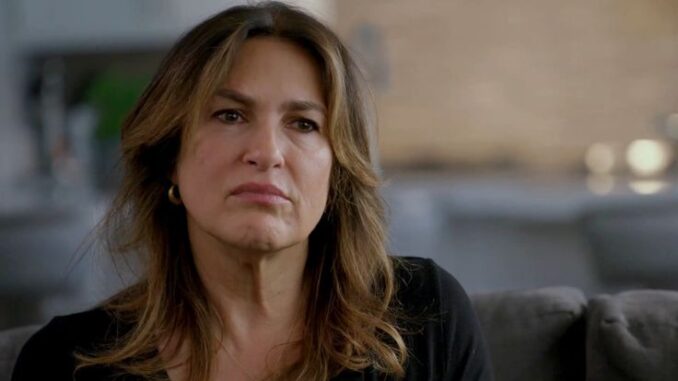
In a moment that feels both long overdue and profoundly timely, Mariska Hargitay has been named TIME’s 2026 Woman of the Year, a recognition that celebrates not only her decades-long acting career but also her unwavering commitment to advocacy and her bold new chapter as a director.
For millions of viewers, Hargitay has been a familiar and comforting presence as Olivia Benson on Law & Order: SVU. But beyond the screen, she has spent years quietly—and sometimes loudly—reshaping conversations around trauma, justice, and healing. Now, with her recent directorial debut earning critical praise, the honor feels less like a milestone and more like a culmination of purpose.
A Career That Transcends Television
Mariska Hargitay’s journey in Hollywood has never been just about fame. While many actors spend their careers chasing roles, Hargitay found one that would define her—and then used it as a platform to create real-world change.
For over two decades, her portrayal of Olivia Benson has done more than entertain. It has humanized survivors of sexual violence, brought attention to systemic injustice, and helped reshape how mainstream media approaches sensitive topics. The character became a cultural touchstone, but Hargitay ensured the impact didn’t stop when the cameras cut.
In interviews, she has often spoken about the letters she received from survivors—stories of pain, resilience, and gratitude. Those letters became a turning point, inspiring her to step beyond acting and into advocacy.
From Awareness to Action: A Legacy of Advocacy
In 2004, Hargitay founded the Joyful Heart Foundation, an organization dedicated to supporting survivors of sexual assault, domestic violence, and child abuse. What began as a response to the overwhelming stories she encountered has since grown into one of the most respected advocacy organizations in the United States.
Her work has not been symbolic—it has been deeply practical and impactful. From funding healing programs to pushing for the elimination of the national backlog of untested rape kits, Hargitay has consistently turned awareness into action.
TIME’s editorial board highlighted this very commitment in their announcement, noting that Hargitay represents “a rare fusion of cultural influence and tangible impact.” Unlike many public figures who lend their name to causes, she has remained actively involved, often working behind the scenes to drive legislative and systemic change.
A Bold Step Behind the Camera
While her advocacy alone could justify the honor, 2026 also marks a creative turning point for Hargitay: her directorial debut.
The film—widely described as intimate, unflinching, and deeply human—explores themes of trauma, resilience, and identity. Though fictional, it draws heavily on the emotional truths Hargitay has encountered throughout her advocacy work.
Critics have praised the film for its sensitivity and authenticity, with many noting that Hargitay’s years of listening to survivors have given her a unique storytelling voice. Rather than sensationalizing pain, she presents it with nuance and dignity.
In her acceptance speech, she reflected on the experience:
“Directing this film was not about telling a story—it was about honoring voices that too often go unheard. It was about creating space for truth.”
The debut signals not just a new skill set, but a natural evolution. For someone who has spent decades amplifying others’ stories, stepping into the director’s chair feels almost inevitable.
Why This Honor Matters Now
The recognition from TIME comes at a moment when conversations around gender, justice, and accountability remain at the forefront of global discourse. In this context, Hargitay’s work feels particularly relevant.
She represents a bridge between storytelling and activism—someone who understands the power of narrative to shape perception, and the responsibility that comes with it.
TIME’s “Women of the Year” issue has historically celebrated figures who challenge the status quo, and Hargitay fits squarely within that tradition. But what sets her apart is her consistency. In an industry often defined by reinvention, she has remained steadfast in her mission.
The Ripple Effect of Representation
One of the most profound aspects of Hargitay’s influence is the ripple effect it has created. Through her work on SVU and beyond, she has helped normalize conversations that were once considered taboo.
Survivors have spoken about feeling seen for the first time. Advocates have credited her with bringing visibility to overlooked issues. Even within law enforcement and legal systems, her impact has been محسوس—helping to inspire reforms and greater empathy.
This is the kind of influence that cannot be measured solely in ratings or awards. It lives in the lives changed, the policies influenced, and the conversations sparked.
Balancing Fame and Responsibility
With recognition often comes scrutiny, but Hargitay has managed to navigate both with grace. She has consistently used her platform not for self-promotion, but for amplification—lifting up voices that might otherwise go unheard.
In an era where celebrity activism can sometimes feel performative, her approach stands out for its authenticity. She does not position herself as a savior, but as a listener and collaborator.
This distinction has earned her respect not just from fans, but from fellow advocates and survivors alike.
Looking Ahead: What’s Next for Hargitay?
While being named TIME’s Woman of the Year is a significant milestone, it is far from the end of Hargitay’s journey.
She has hinted at future directing projects, many of which will continue to explore complex human experiences. At the same time, her advocacy work shows no signs of slowing down.
In fact, if anything, this recognition may serve as a catalyst—bringing even greater attention and resources to the causes she champions.
A Recognition Rooted in Purpose
Awards often celebrate achievement, but the most meaningful ones recognize impact. In honoring Mariska Hargitay as its 2026 Woman of the Year, TIME has done both.
This is not just a story about an actress receiving an accolade. It is a story about purpose—about what happens when talent meets empathy, and visibility meets action.
Hargitay’s journey reminds us that influence, when used thoughtfully, can extend far beyond its original platform. It can challenge systems, inspire change, and create space for voices that need to be heard.
And perhaps that is the most powerful legacy of all.