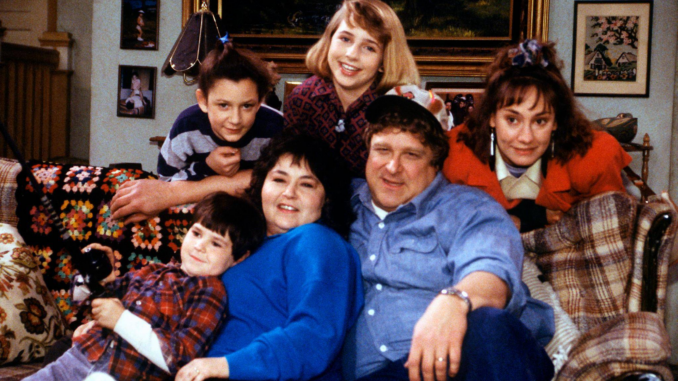
Is Television Still Capable of Creating Another Show Like Roseanne?
For decades, television has produced thousands of sitcoms, yet very few have left a cultural impact strong enough to reshape how audiences see everyday life. One of the rare exceptions is Roseanne. Since its debut in 1988, the series has remained a reference point whenever viewers talk about authenticity in comedy. But today, many fans are asking the same question: Why hasn’t television created another show like Roseanne?
The Show That Refused to Be Perfect
At a time when most sitcom families lived in spacious houses and solved their problems within half an hour, Roseanne broke every expectation. The Conner family did not live a glamorous life. They worried about bills, argued about money, and struggled with the same pressures many working-class families faced every day.
That raw honesty made the show stand out. The humor didn’t come from exaggerated characters or unrealistic situations — it came from truth. Viewers didn’t watch the Conners to escape reality. They watched because they recognized their own lives on screen.
The series also dared to portray flawed characters. Parents made mistakes. Children rebelled. Relationships were complicated. Yet within all the chaos, the family remained deeply connected. That balance between humor and honesty helped the show become one of the most influential sitcoms in television history.
A Different Television Landscape Today
Modern television looks dramatically different from the world that created Roseanne. Today’s sitcoms often feature polished characters, carefully crafted storylines, and visually perfect settings. While these shows can be entertaining, they sometimes feel disconnected from the realities many viewers face.
Part of the reason lies in the industry itself. Studios and streaming platforms invest enormous amounts of money into television productions, which often encourages safer storytelling. Controversial topics — such as financial struggles, job insecurity, or uncomfortable social realities — are sometimes avoided in favor of lighter, less risky material.
But that safety can come at a cost. When characters appear too perfect or problems are resolved too easily, audiences may struggle to connect with the story.
Audiences Are Craving Real Stories Again
Despite the polished appearance of many modern sitcoms, audience trends suggest a growing desire for authenticity. Viewers are increasingly drawn to shows that feel honest, unpredictable, and grounded in real life.
Series such as Shameless, The Bear, and Young Sheldon have gained popularity partly because they focus on relatable family dynamics and everyday struggles. While these shows differ in tone and style, they share something important: they feel real.
This shift suggests that audiences are no longer satisfied with polished fantasy. Instead, they want stories that reflect the complexities of real life.
Could Streaming Platforms Create the Next Breakthrough?
Ironically, the same streaming platforms often blamed for safer storytelling may also hold the key to the next groundbreaking sitcom. Unlike traditional network television, streaming services offer creators more flexibility. They are not bound by strict time limits or content restrictions, allowing writers to explore more complex themes.
In recent years, this freedom has encouraged a wave of storytelling focused on everyday lives — restaurant workers, struggling families, and ordinary people facing extraordinary challenges. These narratives are slowly bringing realism back into television.
However, none have yet captured the exact blend of humor, honesty, and cultural impact that made Roseanne unforgettable.
The Missing Ingredient: Authentic Voices
Creating a show as powerful as Roseanne requires more than clever jokes or strong production values. It requires authenticity.
Many television writers today come from similar educational and professional backgrounds, which can make it difficult to capture the experiences of working-class life with the same depth and honesty. The original Roseanne succeeded because it was rooted in lived experience — the struggles, frustrations, and humor of everyday life.
Authenticity cannot easily be manufactured in a writers’ room. It comes from personal stories, perspectives, and voices that truly understand the realities they portray.
Are We Getting Closer?
Despite the challenges, there are signs that television may be approaching another turning point. Viewers are growing tired of formulaic reboots and overly polished storytelling. Nostalgia alone is no longer enough to hold attention.
Studios are beginning to take chances on new creators, comedians, and storytellers who bring fresh perspectives. As streaming platforms expand, they are increasingly willing to fund projects from unconventional voices — people whose stories have rarely been represented on screen.
This shift may not produce an immediate successor to Roseanne, but it could pave the way for something just as meaningful.
The Future of the Sitcom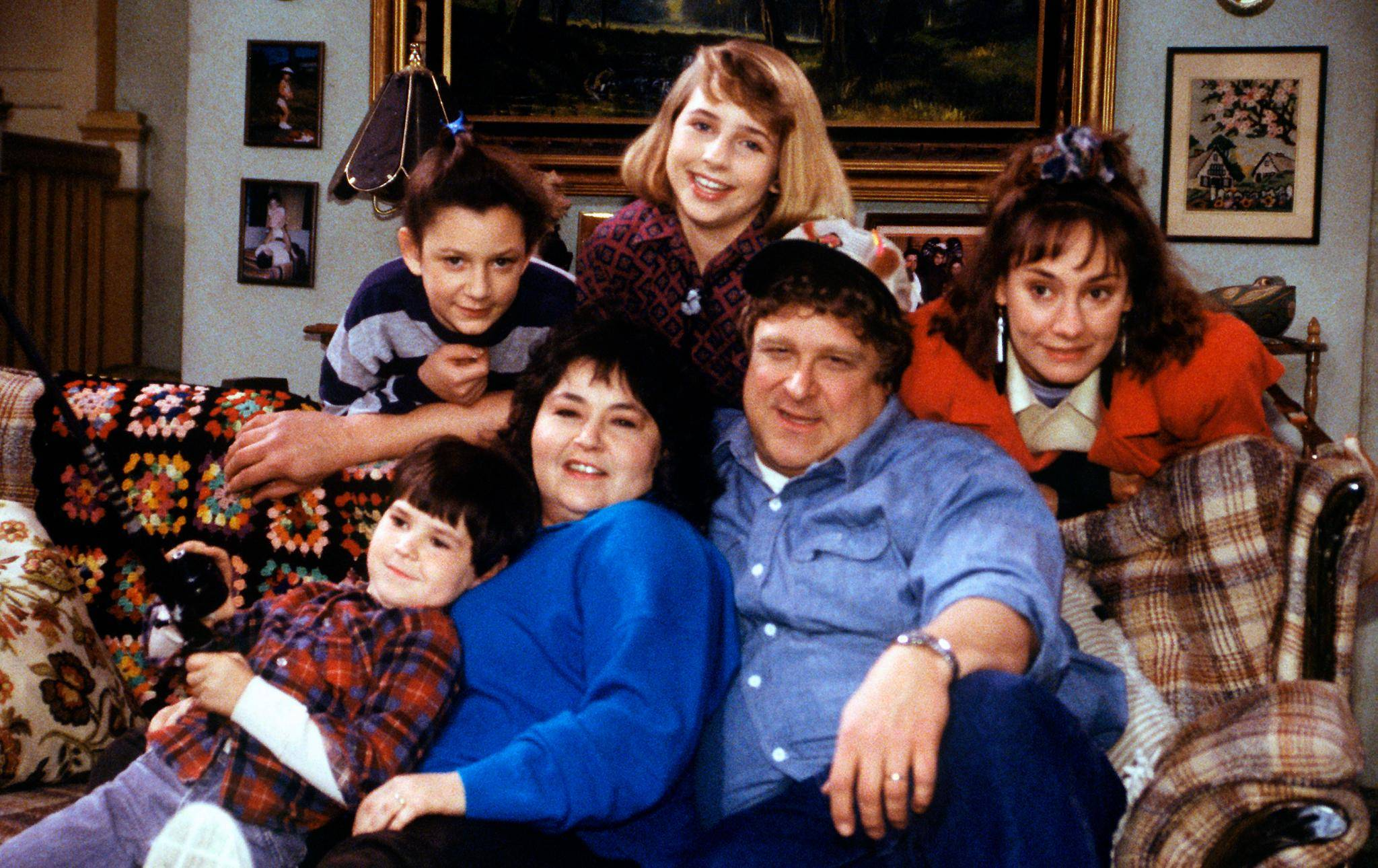
If another show is to capture the spirit of Roseanne, it will need to embrace imperfection. The next great sitcom will likely feature messy families, flawed characters, and uncomfortable truths — the very elements that once made the Conner family so relatable.
It will not rely on polished perfection or idealized lifestyles. Instead, it will find humor in the chaos of real life, just as Roseanne once did.
Conclusion
So when will television create another show like Roseanne?
Perhaps sooner than many expect — but only if creators are willing to take risks and tell stories that reflect real lives. Audiences are no longer searching for flawless characters or perfect endings.
They are searching for honesty.
And somewhere in the evolving landscape of television, the next bold, authentic sitcom may already be waiting to be discovered — ready to remind viewers what made Roseanne unforgettable in the first place.