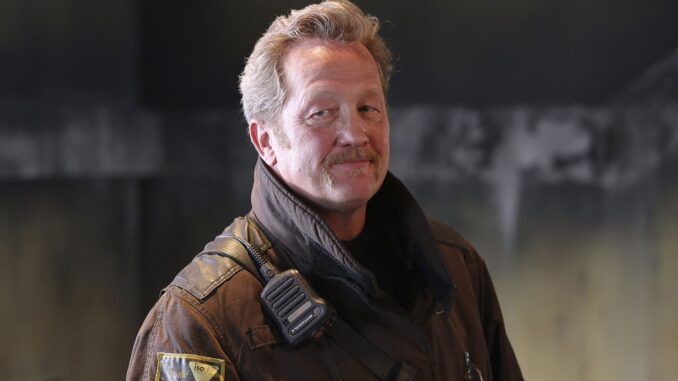
Mouch, whose full name is Randall “Mouch” McHolland, is one of the most quietly influential characters on Chicago Fire. From the very beginning of the series, he has represented the heart and soul of Firehouse 51—not through flashy heroics, but through loyalty, humor, and unwavering dedication. While he may not always be at the center of the biggest rescues, Mouch’s presence has been essential in grounding the show emotionally and realistically.
As a veteran firefighter, Mouch brings history into every scene he’s part of. He has seen the firehouse change, leadership rotate, and younger firefighters come and go. That long view gives his character weight. When Mouch speaks, people listen—not because he demands attention, but because his experience has earned respect. He often acts as a bridge between generations, offering perspective to younger firefighters who are still learning how to balance courage with caution.
One of Mouch’s greatest strengths is how human he feels. He isn’t written as invincible, and that’s exactly why audiences connect with him. He struggles with self-doubt, fears being left behind as the department evolves, and worries about whether he still has a place in a younger, faster firehouse. These insecurities make him relatable and give the show emotional depth that goes beyond fires and explosions.
Mouch’s relationship with Trudy Platt is another reason his character resonates so strongly. Their marriage adds warmth and humor to the series, offering a rare look at a stable, loving relationship within the chaos of first-responder life. Through Trudy, viewers see Mouch not just as a firefighter, but as a husband who is supportive, vulnerable, and deeply devoted. Their bond reminds audiences that emotional support is just as important as physical bravery.
Over the seasons, Mouch has also become a symbol of perseverance. Health scares, career setbacks, and moments of feeling overlooked could have pushed him into the background, but instead, they strengthened his role in the story. Each challenge reinforced the idea that being a hero doesn’t always mean running into the flames first—sometimes it means showing up every day, even when it’s hard.
Mouch’s impact on Chicago Fire goes beyond individual storylines. He represents institutional memory, the quiet backbone of Firehouse 51, and the idea that experience matters. In a show driven by adrenaline and urgency, Mouch provides balance. He slows things down just enough to remind viewers why these characters fight so hard to protect one another.
In the end, Mouch is proof that not all powerful characters need to be loud or dramatic. His strength lies in consistency, compassion, and resilience. Chicago Fire wouldn’t feel like the same show without him, because Mouch doesn’t just belong to Firehouse 51—he helps define what it stands for.