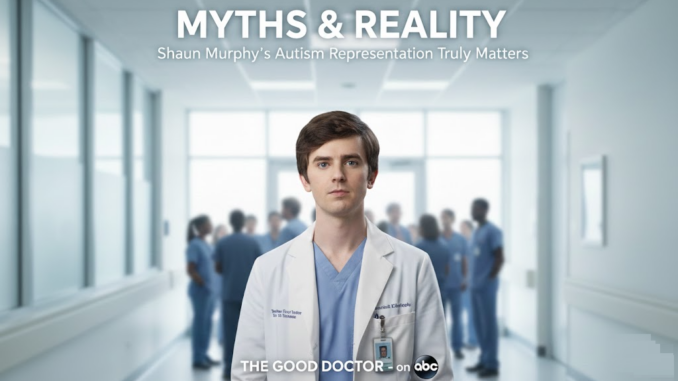
In the era of social media memes and misinformation, a rumor sometimes circulates among fans: Is Dr. Shaun Murphy autistic because he received a vaccination shot? This article explores that question, clarifies what is fact vs. myth — and discusses why the representation of autism in The Good Doctor remains significant, controversial, and worth examining.
Does the Show Link Autism to Vaccination?
-
Officially, the show never claims that Shaun’s autism is caused by vaccination. His condition — autism plus savant syndrome — is presented as an inherent trait.
-
The vaccination-autism myth is a widespread real-world misconception, but there is no narrative in The Good Doctor that ties Shaun’s condition to any vaccine. The series focuses on his life, challenges, and professional journey — not on the origin of his autism.
Why the Myth Might Have Emerged
-
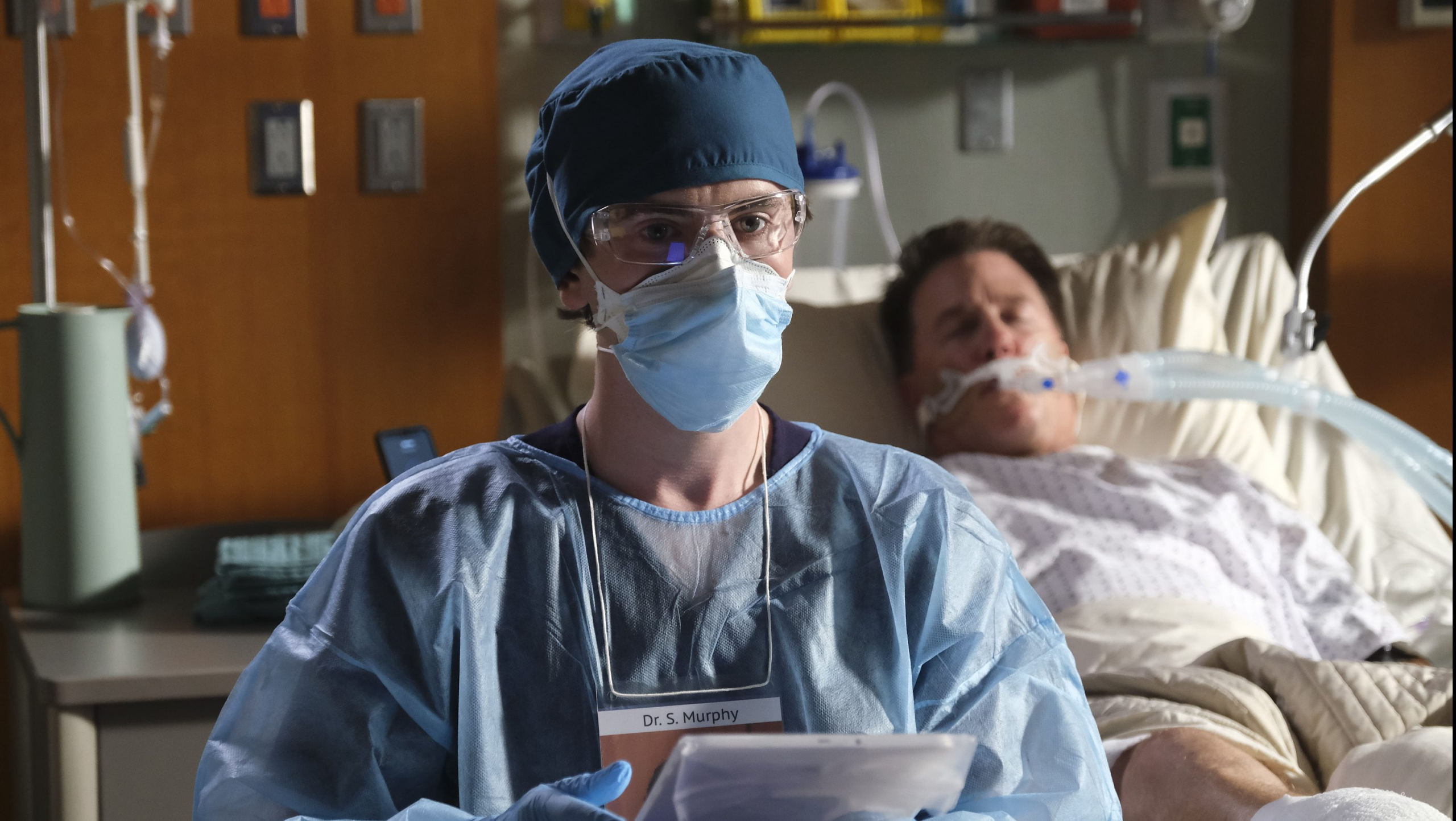
Because the show features episodes related to pandemic / hospital infections / viral outbreaks (for example Season 4 dealt with COVID-19)
-
Viewers might conflate medical themes or public-health debates with the character’s condition.
-
On social media, shows about autism often trigger discussions about “what causes autism,” and fans sometimes project misconceptions onto fictional characters.
How The Good Doctor Represents Autism — Praise & Criticism
What the show does well:
-
Brings an autistic character into mainstream, high-profile media — helping raise awareness and generate conversation about neurodiversity.
-
Shows that autism does not preclude competence, talent, or meaningful relationships: Shaun works as a surgeon, saves lives, builds relationships, falls in love, becomes a parent.
Criticisms :
-
Some experts and autistic-rights advocates argue that the show leans into stereotypes: Shaun is portrayed as a “savant genius,” reinforcing the myth that many (or all) autistic people have extraordinary abilities — which is statistically rare.
-
Others say the show lacks authenticity: none of the main writers or early cast were autistic, and representation comes from a non-autistic perspective — potentially limiting how nuanced the portrayal can be.
-
Scenes where autism is used to justify awkward social behavior, insensitivity, or conflict have drawn backlash: some viewers feel it stigmatizes autism rather than humanizes it.
Why This Issue Matters — Beyond Fiction
-
Fictional portrayals influence public perception. For many viewers, Shaun Murphy may be their only exposure to autism. If representation is inaccurate or stereotyped, it can shape misconceptions.
-
With global concerns about misinformation (e.g., vaccine myths), conflating autism with vaccination in fan discourse can contribute to harmful narratives. Clarifying that such a link does not exist in the show — nor in real science — is important.
-
More broadly, the conversation highlights the need for diverse, authentic representation of neurodivergent people in media: involving autistic writers, consultants, actors.
No — The Good Doctor does not present Shaun Murphy’s autism as the result of a vaccination. That is a fan-side myth, not a show’s narrative. But the show’s portrayal of autism remains a double-edged sword: while it raised awareness and opened conversations, it also reinforced certain stereotypes and drew legitimate criticism. As media consumers, it’s worth viewing such portrayals critically — and advocating for better, more authentic representation.