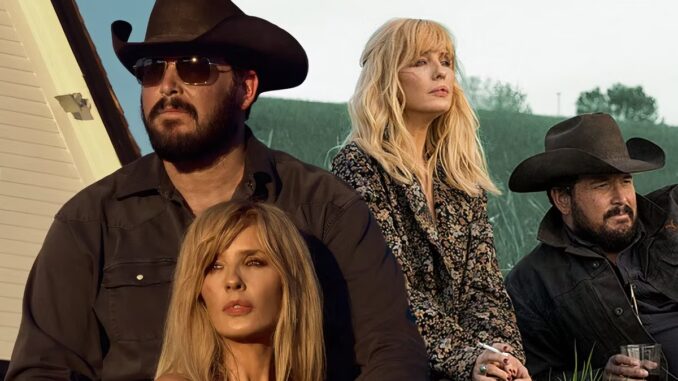
No White Dress, No Roses: Beth & Rip’s Darkest and Craziest Wedding in Television History
When we talk about TV weddings, we usually picture the same old tired tropes: a frantic bride in tulle, a groom sweating in a tuxedo, a slow walk down a church aisle, and enough white roses to fill a football stadium. But Yellowstone isn’t your typical show, and Beth Dutton is certainly not your typical bride.
In a world of choreographed “I dos,” Beth and Rip gave us a ceremony that felt like a punch to the gut—in the best way possible. It was gritty, impulsive, legally questionable, and absolutely unforgettable. It wasn’t just a wedding; it was a declaration of war against tradition.
Breaking the Mold: Why This Wedding Wasn’t for the Weak
Let’s be honest: Beth Dutton wearing a white dress would have felt like a lie. Her character is forged in fire, trauma, and a relentless loyalty to the ranch. A traditional wedding would have been a betrayal of everything she and Rip Wheeler stand for.
Instead of a cathedral, they chose the dirt of the ranch. Instead of a priest, they kidnapped a terrified Catholic father. It was chaotic, dark, and perfectly aligned with the “Dutton Way.”
The Anti-Bride: Beth’s Gold Chainmail and Fur
Most brides spend months, if not years, hunting for “The One.” Beth? She walked out in a gold chainmail dress topped with a heavy faux-fur coat. It was armor. It screamed, “I’m here to claim what’s mine,” rather than “I’m here to be given away.”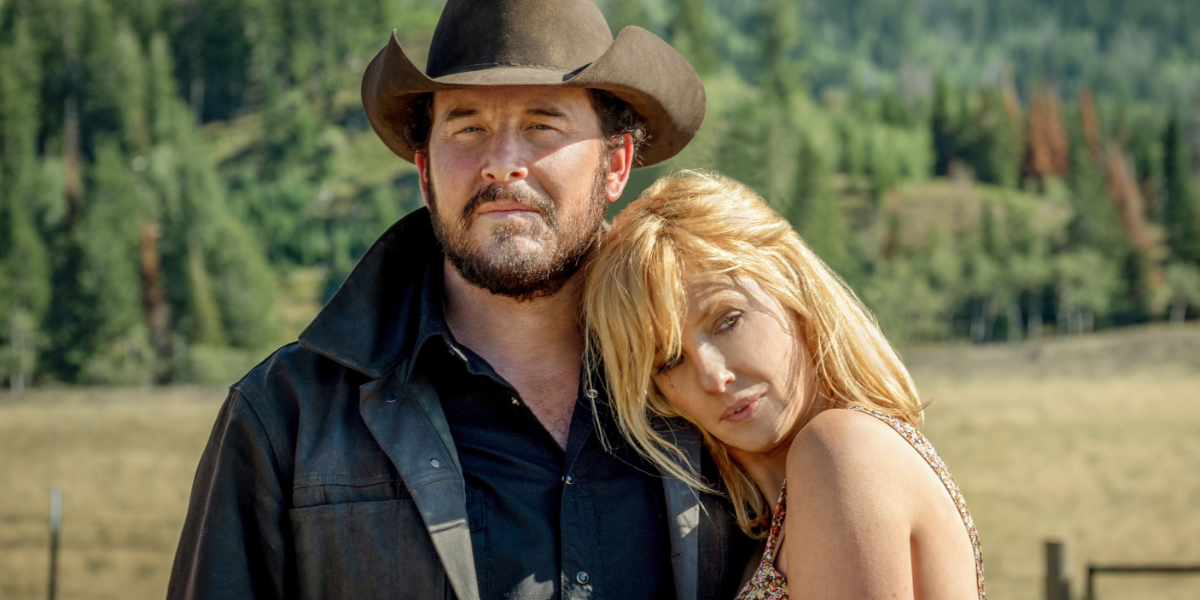
Rip Wheeler: The Groom Who Doesn’t Need a Tux
Rip didn’t need a stylist. He showed up in his work gear—denim, boots, and that signature black hat. Why? Because Rip is a man of the earth. To him, the clothes didn’t matter; the commitment did. His “tuxedo” was the dirt of the Montana soil he’s spent his life protecting.
The Logistics of a Kidnapped Priest
How many weddings start with the bride-to-be literally abducting a clergyman? This is where the “crazy” factor really hits the ceiling. Beth realized that if she didn’t do it right then, in that moment, the world might tear them apart before they had another chance.
The “Guns and Rosaries” Vibe
Seeing a priest stand in the middle of a ranch yard, shaking with fear while a woman in gold chainmail demands he perform a sacrament, is peak Yellowstone. It’s a hilarious juxtaposition of the sacred and the profane.
John Dutton’s Role: The Silent Witness
John Dutton stood there with a mixture of pride and “I can’t believe this is my life” written across his face. He didn’t need a front-row seat in a pew; he just needed to see his daughter finally find a sliver of peace in a world that usually offers her nothing but chaos.
Why This Scene Redefined TV Romance
For years, TV romance has been defined by “will-they-won’t-they” tension and grand, sweeping gestures. But Beth and Rip’s love is different. It’s a “ride or die” pact signed in blood and shared secrets.
The Power of the Unconventional
This wedding proved that you don’t need the fluff to have the feeling. By stripping away the flowers, the music, and the guests, the show forced us to focus on the raw intensity between two people who have survived hell to be together.
A Love Built on Scars
Both characters are deeply broken. Rip was a runaway who killed his own father; Beth is a woman haunted by the loss of her mother and the inability to have children. Their wedding wasn’t a fresh start; it was an acknowledgment that their scars fit together perfectly.
The Visual Language of Darkness
The cinematography of the scene was intentionally dim and gritty. It wasn’t the golden hour glow of a Pinterest wedding. It was the harsh, cold light of the Montana wilderness.
Metaphors in the Mud
There’s a metaphor here: their love isn’t a manicured garden; it’s the wild, untamed forest. It’s messy, it’s dangerous, and it’s beautiful because it’s real. The lack of roses emphasized that they don’t need artificial beauty when they have genuine devotion.
The Soundtrack of Silence
Aside from the dialogue and the wind, the scene was remarkably stripped back. We didn’t need a string quartet playing Pachelbel’s Canon. The sound of boots on gravel was the only percussion necessary.
The Legacy of the “Junkyard” Wedding
Long after the series ends, fans will point to this moment as the heart of the show. It encapsulated the themes of loyalty, family, and the rejection of modern societal norms.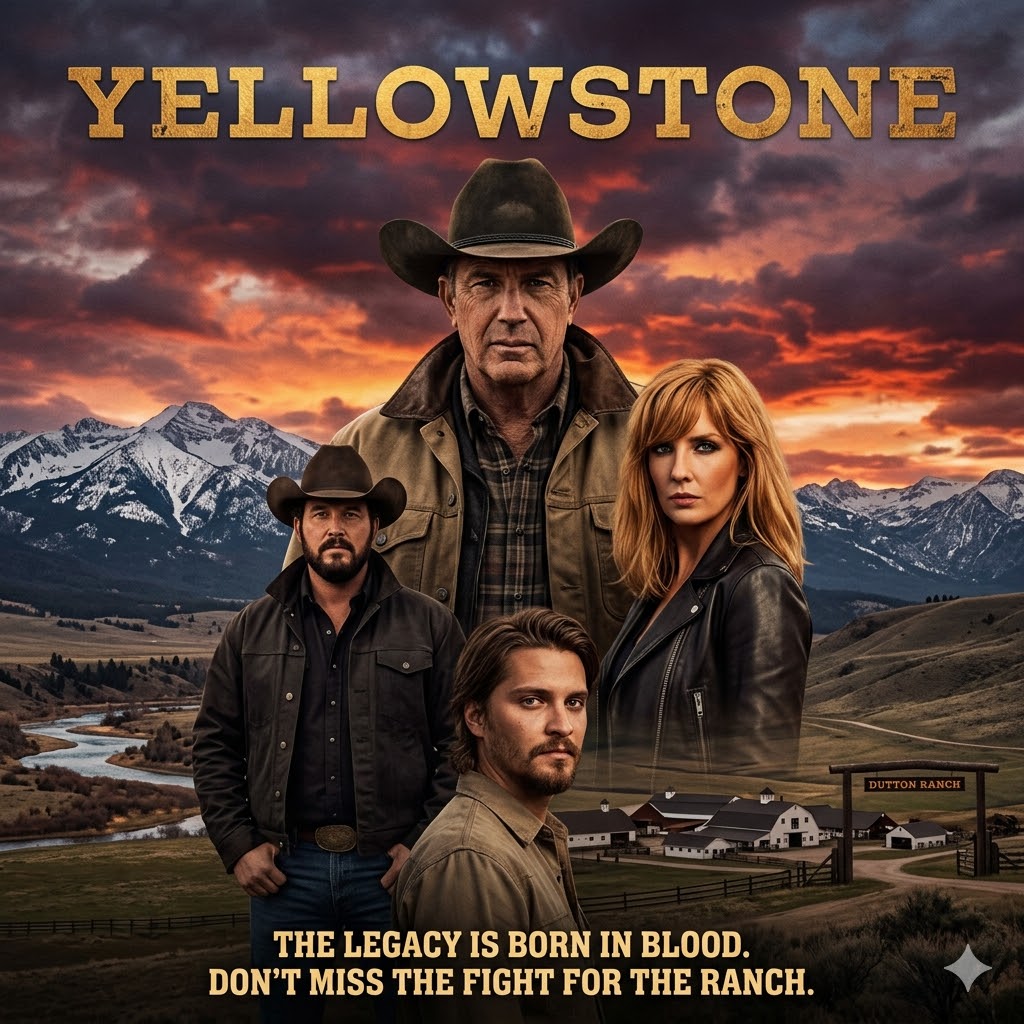
A New Standard for On-Screen Nuptials
Shows like Succession or Game of Thrones have had famous weddings, but they usually end in tragedy or corporate maneuvering. Beth and Rip’s wedding was a rare win for the “bad guys.” It was a moment of pure, unadulterated triumph for two characters the world tried to crush.
Conclusion
Beth and Rip’s wedding wasn’t just a plot point; it was a cultural reset for how we view love on television. By ditching the white dress and the roses, they showed us that the most profound commitments are often the ones made in the dark, under pressure, and without any of the “right” ingredients. It was crazy, it was dark, and it was the most romantic thing we’ve ever seen.
In a world full of temporary things, the Dutton-Wheeler union feels permanent. It reminds us that at the end of the day, all you really need for a wedding is a partner who would burn the world down for you—and maybe a kidnapped priest to make it official.