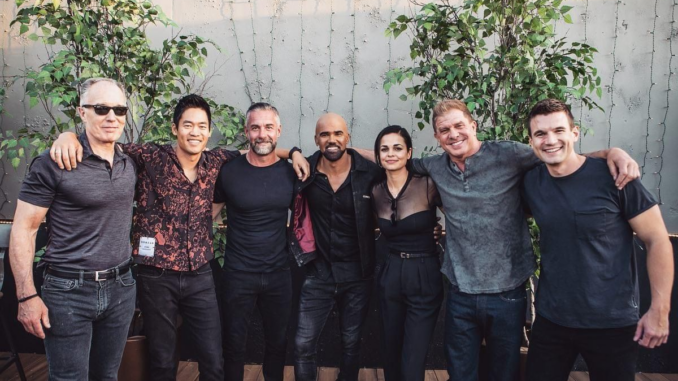
Are the S.W.A.T. Cast Members Really Close, or Are They Just Acting for the Sake of Appearances?
When you watch S.W.A.T., one thing feels undeniable: the team chemistry.
The banter flows naturally. The tension feels lived-in. The loyalty looks authentic. It doesn’t feel staged. It feels earned.
So here’s the question fans keep asking:
Are these actors genuinely close off-screen, or are they simply professionals maintaining appearances for press tours and Instagram posts?
Let’s cut through the speculation and look at how television dynamics really work.
The Illusion of Brotherhood: Why It Feels So Real
On-Screen Team Cohesion Is the Foundation of the Show
S.W.A.T. isn’t a solo-hero drama. Yes, Hondo leads. But the heart of the series lies in the unit dynamic.
You can’t fake tactical trust.
When characters move in formation, exchange glances under pressure, or risk their lives for one another, that chemistry must feel seamless.
That’s why viewers assume real-life closeness.
But assumption isn’t evidence.
The Role of the Lead: Shemar Moore as Anchor
Shemar Moore as the Center of Gravity
Moore doesn’t just play Hondo. He sets the tone for the set.
Interviews and behind-the-scenes footage consistently show him fostering team morale. He celebrates milestones publicly. He promotes cast achievements.
That behavior builds camaraderie.
But is it friendship—or leadership?
Often, it’s both.
How Ensemble Shows Naturally Create Bonds
Long Production Hours Build Real Familiarity
Network dramas like S.W.A.T. film for months each year.
Actors spend:
-
10–14 hours per day on set
-
Weeks filming intense scenes
-
Time training for action choreography
Shared physical challenges—especially action sequences—accelerate bonding. Think of it like athletic teammates preparing for competition.
Shared stress breeds connection.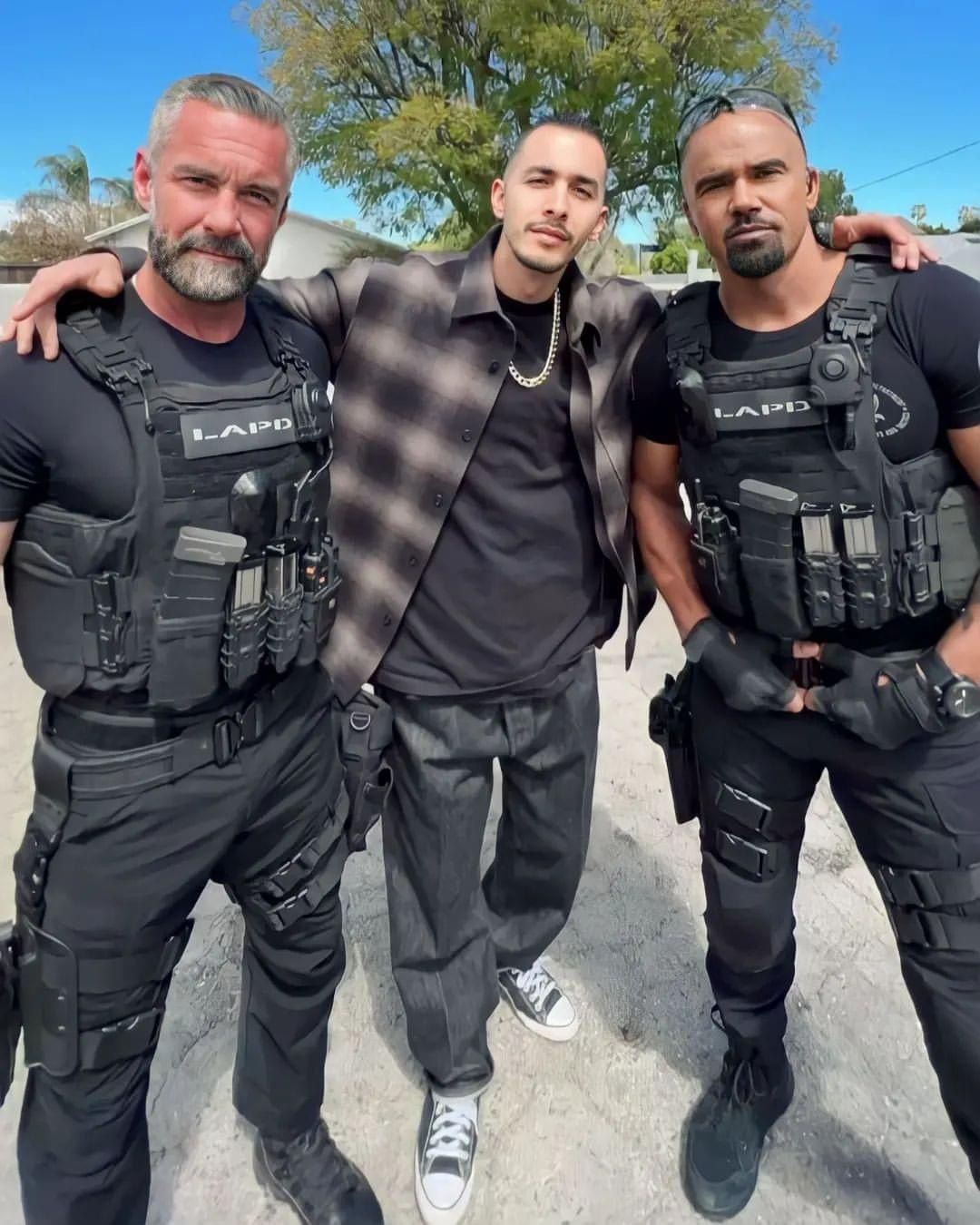
Press Tours vs. Real Life
Let’s address the elephant in the room.
Public appearances are curated. Smiles are camera-ready. Social media posts are strategic.
That doesn’t mean relationships are fake.
But it does mean we only see controlled snapshots.
Professional warmth is not automatically personal intimacy.
Evidence of Genuine Friendship
Off-Set Interactions
Cast members have posted casual hangouts, birthday celebrations, and gym sessions outside official promotions.
For example:
-
Moore has publicly praised co-stars during personal milestones.
-
Cast members attend each other’s events beyond required press obligations.
These moments suggest authentic connection.
You can’t fake years of relaxed body language.
The Nature of Workplace Friendships
Here’s the reality: many cast relationships resemble workplace friendships.
They’re:
-
Supportive
-
Loyal
-
Collaborative
-
Occasionally social outside work
But not necessarily inseparable best friends.
And that’s normal.
You don’t need lifelong intimacy to maintain professional closeness.
Action Shows Create Unique Bonds
Unlike sitcoms, action dramas require physical synchronization.Trust Under Simulated Danger
When filming tactical entries or high-intensity scenes, actors must rely on:
-
Timing
-
Physical awareness
-
Spatial coordination
That kind of collaboration builds mutual respect quickly.
Respect often becomes friendship.
Comparing to Other Long-Running Ensembles
History shows mixed outcomes.
Some casts remain lifelong friends.
Others drift apart post-series.
Longevity doesn’t guarantee closeness.
But seven seasons together? That level of consistency rarely exists without genuine rapport.
Individual Cast Dynamics
Beyond Moore: The Broader Team
Actors such as:
-
Jay Harrington
-
David Lim
-
Patrick St. Esprit
have spoken positively about ensemble culture in interviews.
They frequently describe the set as collaborative rather than competitive.
That matters.
Competitive environments breed distance.
Collaborative ones nurture closeness.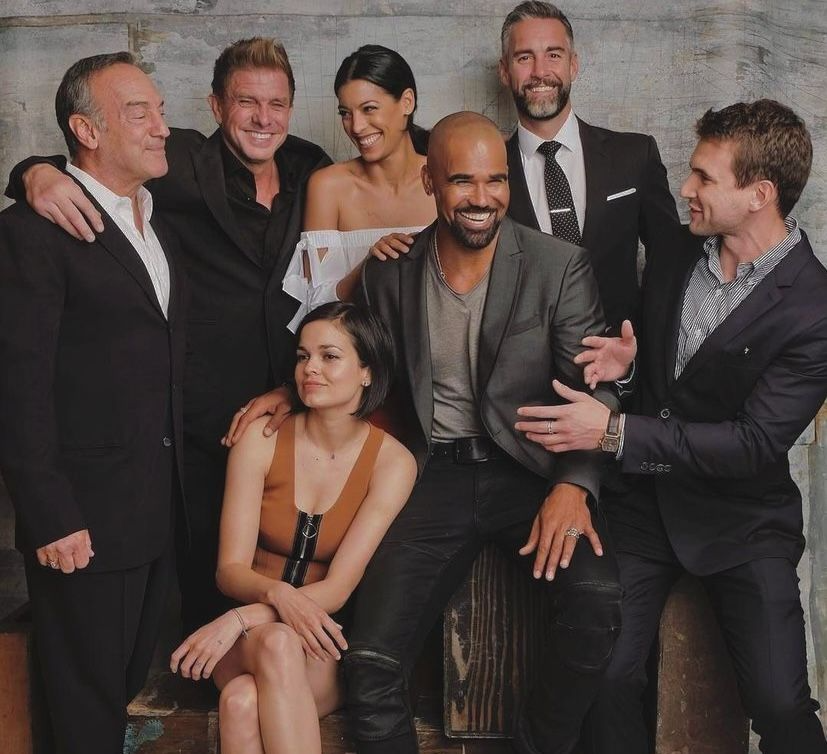
Is It Ever Just for Appearances?
Let’s be honest—sometimes, yes.
Television is business.
Studios encourage visible unity because audiences invest more deeply when they believe in the team dynamic.
But sustaining fake warmth for years? That’s exhausting.
Authenticity leaks through over time.
And in this case, it consistently appears genuine.
Signs of Real Camaraderie
Look for subtle cues:
-
Inside jokes during interviews
-
Comfortable teasing
-
Unscripted laughter
-
Mutual respect in serious discussions
Those signals are hard to manufacture repeatedly.
And they appear often within this cast.
Conflict Doesn’t Equal Distance
Long-term working relationships inevitably include disagreements.
Creative differences.
Scheduling tension.
Contract negotiations.
But professionalism doesn’t negate closeness.
In fact, mature handling of conflict often strengthens bonds.
The Difference Between Family and Team
Fans often say, “They’re like family.”
But let’s clarify something.
A cast can function as a tight team without being emotionally entangled in every aspect of each other’s lives.
Think of it like elite athletes.
Teammates can share intense loyalty on the field without sharing every holiday off it.
That distinction is healthy.
The Impact of Leadership Culture
Moore’s personality plays a significant role.
He consistently emphasizes:
-
Team appreciation
-
Gratitude
-
Collective success
Leadership tone shapes workplace culture.
And positive leadership tends to foster real connection.
Longevity as Proof of Stability
Shows plagued by toxic dynamics often collapse publicly.
Rumors surface.
Contracts implode.
Press becomes tense.
S.W.A.T. maintained stability across multiple seasons.
That stability suggests functional, respectful relationships.
Are They Best Friends? Probably Not All of Them
Are they genuinely close colleagues with authentic bonds?
Highly likely.
Every ensemble has varying degrees of closeness.
Some cast members naturally click more than others.
That’s human.
The key takeaway: authenticity doesn’t require uniform intimacy.
Why Viewers Care So Much
Audiences crave consistency.
When fictional teamwork feels real, viewers want confirmation that it isn’t an illusion.
It reinforces emotional investment.
If the bond is real, the story feels stronger.
That psychological loop drives curiosity.
Professionalism Doesn’t Cancel Authenticity
Let’s challenge a false binary.
It’s not:
“Either they’re best friends”
or
“They’re faking everything.”
The truth usually lives in the middle.
They are professionals.
They respect each other.
They likely maintain genuine friendships within the ensemble.
But they also maintain boundaries.
And that balance sustains longevity.
Conclusion: Real Bonds, Professional Boundaries
So, are the S.W.A.T. cast members really close?
Yes—but not in a fairy-tale, inseparable, off-grid vacation-every-weekend way.
They share years of collaboration, trust, physical training, and public experience. That naturally builds authentic bonds.
At the same time, they’re seasoned professionals in a high-pressure industry.
Their chemistry isn’t manufactured—but it is disciplined.
And maybe that’s the real secret.
Not exaggerated intimacy.
Not hollow performance.
Just consistent respect, shared challenge, and earned camaraderie.
FAQs
1. Are the S.W.A.T. cast members friends in real life?
Many appear to maintain genuine friendships and strong professional bonds, though closeness varies among individuals.
2. Does Shemar Moore socialize with his co-stars off set?
Yes, he has shared multiple public moments with cast members beyond formal press events.
3. Have there been reports of tension within the cast?
There have been no widely substantiated reports of sustained toxic conflict within the core ensemble.
4. Do TV casts usually stay close after a show ends?
It depends. Some remain lifelong friends, while others naturally drift apart after production concludes.
5. Is their chemistry scripted or real?
Their dialogue is scripted, but their comfort level and trust appear genuinely developed through years of collaboration.