Which Character in S.W.A.T. Deserved a Stronger Role but Was Overlooked?
The Most Overlooked Character in S.W.A.T. Deserved So Much More
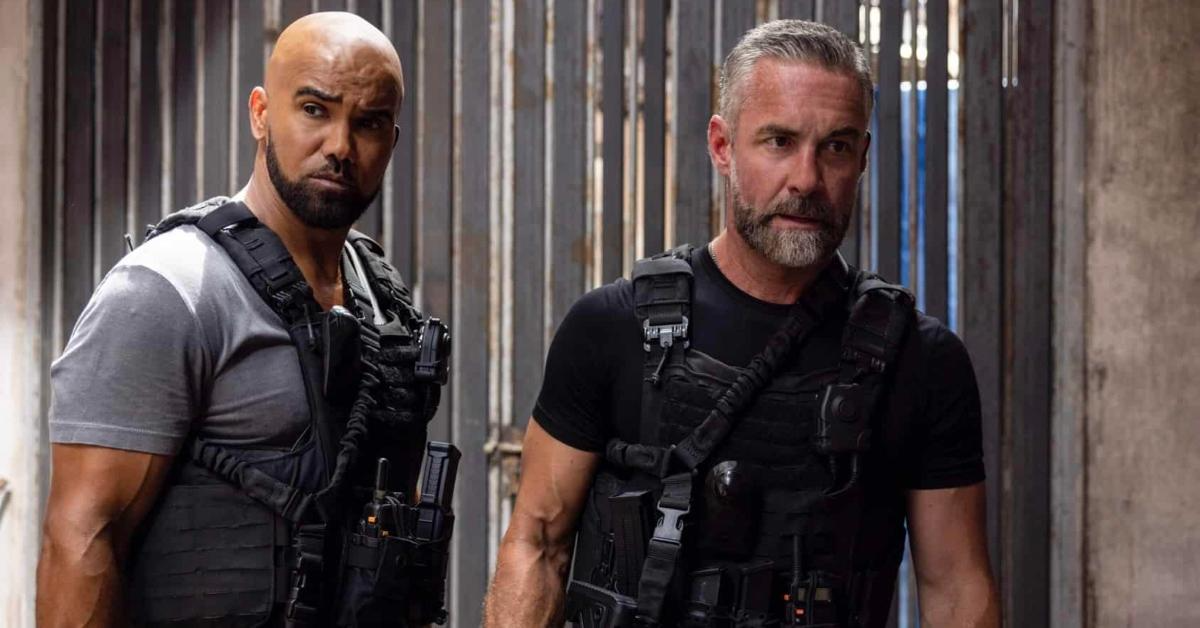
When you think of S.W.A.T., one name dominates the conversation: Hondo. And rightfully so. Played by Shemar Moore, he’s the emotional and tactical center of the series.
But here’s the thing about ensemble dramas — when one character shines too brightly, someone else often fades into the background.
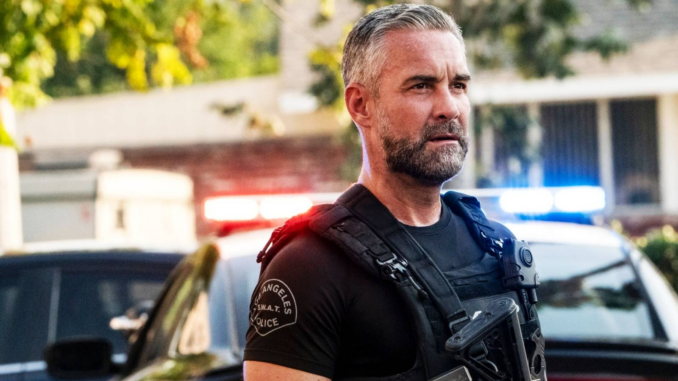
So let’s talk about the character who arguably deserved a stronger arc, deeper storylines, and far more narrative attention: Deacon Kay.
Why Deacon Kay Was the Emotional Backbone of S.W.A.T.
Jay Harrington’s Underrated Performance
Portrayed by Jay Harrington, Deacon wasn’t flashy. He wasn’t loud. He didn’t dominate action scenes with bravado.
He grounded them.
In a team full of alpha personalities, Deacon represented stability. Family values. Quiet leadership. Internal conflict. That subtlety made him compelling — but it also meant the writers didn’t always center him.
And that’s where the missed opportunity lies.
The Conflict Between Loyalty and Ambition
The Leadership Tension That Wasn’t Fully Explored
From early seasons, Deacon struggled with the fact that he wasn’t promoted to team leader. That tension between him and Hondo wasn’t explosive — it simmered.
Imagine if the show had leaned harder into that dynamic.
What does it feel like to believe you earned something… and then watch someone else get it? That’s fertile dramatic territory. Yet the series often resolved that conflict too quickly.
A deeper rivalry arc could have reshaped team dynamics and added layers to both characters.
Deacon’s Family Storyline Had Untapped Depth
The Struggle of Balancing SWAT and Fatherhood
Deacon’s family life offered something unique. While other characters faced romantic turmoil or personal demons, Deacon faced something relatable: responsibility.
Mortgage pressure. Medical bills. Faith. Parenthood.
The show touched on these themes — but rarely sustained them across multiple episodes.
Imagine a season-long arc exploring financial stress threatening his career choices. Or moral dilemmas tied to providing for his children. That kind of grounded drama could have added realism beyond high-stakes shootouts.
Faith, Identity, and Moral Complexity
A Perspective Rarely Centered
Deacon’s faith influenced his worldview, yet the series rarely built major plots around it.
Faith-based tension within law enforcement? That’s compelling. Ethical dilemmas filtered through personal conviction? Even better.
Instead, these elements appeared briefly, then faded.
By not fully developing that dimension, the show left narrative richness on the table.
Screen Time vs. Impact
Let’s be honest.
Characters like Chris Alonso, played by Lina Esco, received strong, progressive arcs. Street, portrayed by Alex Russell, experienced significant growth and romantic tension.
Deacon?
He often reacted rather than initiated.
And that difference matters.
The Quiet Leader Archetype Deserves Spotlight
Television loves dramatic transformation arcs — the rebel, the troubled rookie, the conflicted hero.
But the steady professional? The dependable father? The morally anchored teammate?
Those roles risk being overlooked because they lack spectacle.
Yet consistency can be just as compelling as chaos.
If S.W.A.T. had framed Deacon as the moral compass in crisis — rather than the stable sidekick — his role could have evolved into something even more powerful.
Missed Opportunity for Internal Team Fracture
Imagine a season where Deacon seriously considers leaving the team. Or taking another leadership opportunity.
That storyline would test Hondo’s authority. Challenge loyalty. Reshape hierarchy.
Instead, tension typically reset by the next episode.
Serial storytelling thrives on lasting consequences. Deacon’s arcs rarely carried that weight.
Emotional Range That Was Underutilized
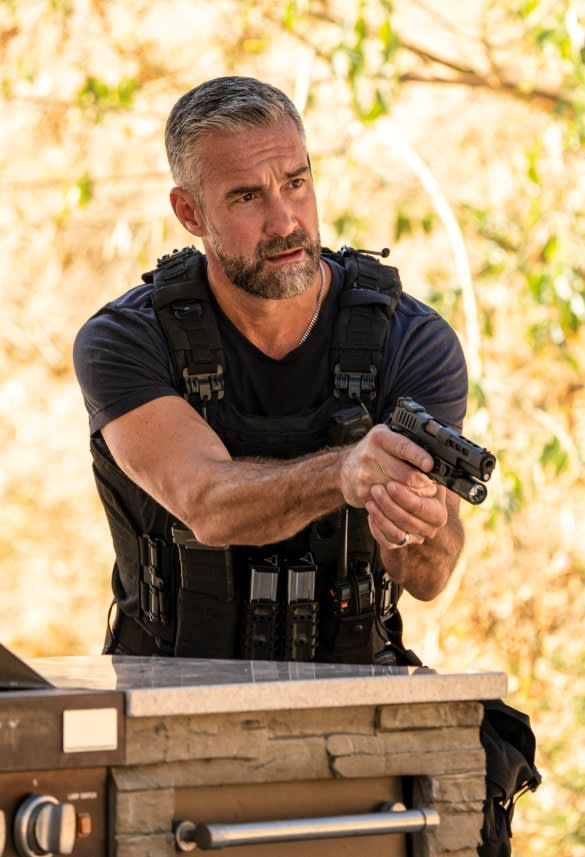
Jay Harrington demonstrated emotional nuance in brief moments — frustration, doubt, guilt.
But the show seldom centered those emotions long enough to let them breathe.
High-intensity procedural dramas often prioritize action over introspection. Yet S.W.A.T. proved it could balance both.
Deacon simply didn’t receive the narrative investment his character deserved.
Comparing Character Development Arcs
Let’s break it down:
-
Hondo: Leadership struggles, political pressure, romantic complexity.
-
Street: Redemption arc, mentor conflicts, emotional growth.
-
Chris: Identity exploration, career ambition, personal sacrifice.
-
Deacon: Stability, brief leadership frustration, financial stress — then reset.
See the imbalance?
It’s not that Deacon lacked story. It’s that his story wasn’t amplified.
Why Fans Still Connect with Deacon
Despite limited spotlight, fans resonate with him.
Why?
Because he feels real.
Not every hero battles demons loudly. Some battle quietly — with bills, doubt, responsibility, and suppressed ambition.
Deacon represented the everyday weight of adulthood.
And that relatability deserved more sustained focus.
The Structural Challenge of Ensemble Dramas
Ensemble shows often rotate character focus.
But certain archetypes naturally command attention — charismatic leaders, rebellious rookies, rule-breakers.
Steady figures risk becoming narrative glue instead of narrative drivers.
Deacon often functioned as the glue.
But glue holds everything together. That’s not a minor role — it’s foundational.
What a Stronger Deacon Arc Could Have Looked Like
Let’s imagine:
-
A leadership crisis that splits the team.
-
A season-long moral conflict rooted in faith vs. duty.
-
A family emergency that forces career compromise.
-
A promotion offer from another unit testing loyalty.
Each of these arcs could elevate Deacon from supporting pillar to central catalyst.
Why Overlooked Doesn’t Mean Unimportant
Being underutilized doesn’t diminish impact.
In fact, sometimes restraint creates intrigue. Fans sense unrealized potential.
And Deacon embodied that potential.
He wasn’t the loudest character. But he may have been the most layered.
The Broader Lesson for Procedural Dramas
Procedural shows often prioritize action-driven characters.
But audiences crave emotional realism.
A stronger Deacon arc could have grounded S.W.A.T. even more deeply in relatable human conflict — without sacrificing intensity.
It’s a reminder that quiet characters can carry loud narratives.
Conclusion: Justice for Deacon Kay
So, which character in S.W.A.T. deserved a stronger role but was overlooked?
Deacon Kay stands out.
Not because he lacked development entirely. But because he possessed untapped narrative potential.
He represented loyalty tested by ambition. Stability strained by responsibility. Faith navigating modern law enforcement.
In a show filled with explosive action and bold personalities, Deacon’s quiet complexity could have been elevated into something unforgettable.
And sometimes, the character who speaks the least says the most.
FAQs
1. Why is Deacon considered overlooked in S.W.A.T.?
Because his character had rich personal and professional conflicts that were introduced but not fully explored across seasons.
2. Did Deacon ever challenge Hondo’s leadership?
Briefly, but the tension was resolved quickly instead of evolving into a long-term storyline.
3. Were other characters given stronger arcs?
Yes. Characters like Street and Chris received more dynamic, season-spanning developments.
4. Could Deacon have been a team leader?
The show suggested he had the qualifications, which made his lack of promotion a compelling but underdeveloped plot point.
5. Why do fans still appreciate Deacon despite limited focus?
Because his grounded personality and relatable struggles resonated deeply with viewers.