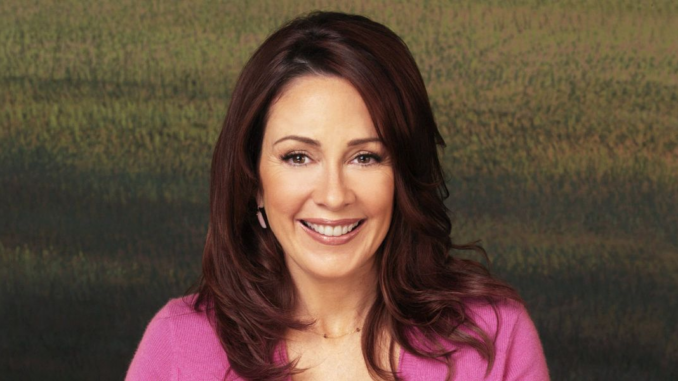
We all know her as the sharp-tongued Debra Barone or the tirelessly resourceful Frankie Heck. For decades, Patricia Heaton has been America’s favorite TV mom, bringing a sense of grounded reality to our living rooms. But behind the scenes, as her four sons grew up and left the nest, Patricia found herself facing a new, quieter challenge. At age 60, she made a decision that would shock some and inspire millions: she put down the glass for good. Why? Because she realized that to be the grandmother she wanted to be in ten years, she had to change who she was today.
The Turning Point: A “Humiliating” Night in Nashville
Every recovery story has a “moment,” and for Patricia, it happened during a visit to Nashville with three of her four sons and their friends. Over a five-hour dinner, Patricia realized she had been continuously refilling her wine glass. When she tried to make a joke about a family “tradition,” she literally couldn’t pronounce the word. Her son’s blunt response—“Oh great, Mom. You can’t even talk”—cut through the fog. That sting of humiliation wasn’t just about the wine; it was about the realization that her sons were seeing a version of her she no longer wanted to be.
Quitting at 60: It’s Never Too Late for a Reinvention
There’s a common myth that if you haven’t “fixed” your habits by 40 or 50, you’re just stuck with them. Patricia Heaton is the ultimate myth-buster. She didn’t enter sobriety in her 20s or 30s; she did it as she was entering her 60s. She calls this her “Second Act.” She recognized that as hormones change and the body ages, alcohol is processed differently. Instead of letting the “empty nest” syndrome drive her further into the bottle, she used it as a springboard for health.
The Grandchild Incentive: Preserving the Brain for the Next Generation
One of the most touching reasons Patricia cited for her sobriety was her future grandchildren. While she doesn’t have any yet, she’s playing the long game. She calculated that it would be about a decade before she might become a grandmother, and she wanted her brain to be as sharp as possible for that role. She didn’t want the “synapses misfiring” because of alcohol when she should be making memories with a new generation. Isn’t that the ultimate act of love?
The Viral Promise: A House for the First Grandchild?
The internet went wild when rumors surfaced about Patricia’s “incentive” for her sons. In various lighthearted interviews, she joked about the “competition” among her four boys. The story goes that she promised a house (or a very significant leg-up) to the first son who would make her a grandmother. While it might sound like a classic “Debra Barone” move, it highlights just how much she values family legacy. She’s not just waiting for the future; she’s actively investing in it.
Empty Nest Syndrome: When the Anchors Are Gone
Patricia has been incredibly candid about why her drinking increased in her 50s. When you spend twenty years raising four boys and starring in back-to-back hit sitcoms, your life has a lot of “anchors.” When the shows ended and the kids moved out, she felt “unmoored.” Without the daily structure of parenting and filming, the 5:00 PM cocktail hour started creeping earlier. Many women in their 50s and 60s experience this, and Patricia’s honesty provides a much-needed mirror for those feeling “at sea.”
The Science of the “Synapse Misfire”
During that fateful Nashville dinner, Patricia’s inability to say “tradition” scared her on a neurological level. She began to think about what alcohol was doing to her brain health. She compared the feeling to having a “mini-stroke.” In her 60s, she realized that she was already fighting the natural aging process of the brain, so why add fuel to the fire? By quitting, she chose to protect her cognitive function, ensuring she’d be present for every “first” her future grandkids would have.
Living “Free” in July: A New Kind of Independence
Patricia often celebrates her “soberversary” in July, tying her personal freedom from alcohol to the American Independence Day. In 2025, she celebrated seven years of sobriety. She doesn’t just say she “stopped drinking”; she says she found “freedom.” It’s a powerful shift in language. It’s not a restriction; it’s a liberation. She’s free from the clock-watching for 5:00 PM and free from the morning-after fog.
The Role of Faith and Community in Her Recovery
Patricia has never been shy about her faith. Throughout her journey, she leaned on prayer and her community. She also took inspiration from her Everybody Loves Raymond co-star, the late Peter Boyle, who had his own journey with sobriety. She recalled his advice about “walking through” the urge in your brain until the moment passes. That sense of connection—to God, to her family, and to her colleagues—formed the safety net that caught her when things got tough.
The “Second Act” Philosophy: Reinventing Your Life
Following her sobriety, Patricia released a book titled Your Second Act. It’s a collection of stories about people who changed their lives in big ways after the age of 50. Patricia herself is the lead example. She’s moved from acting into producing, writing, and philanthropy. She’s proving that your 60s can be your most productive and vibrant decade yet, provided you have the clarity to pursue your goals.
Diet, Exercise, and 50 Laps in the Pool
Sobriety wasn’t the only change. Patricia embraced a Keto-style diet and a rigorous swimming routine, often aiming for 50 laps several times a week. She admits she “falls off the wagon” with her diet occasionally, but she stays vigilant. She’s a big believer that it’s easier to stay in shape than to get back into shape at her age. Her physical transformation is just the outward reflection of her inner discipline.
The Impact on Her Four Sons
How do her boys feel about the “new” Mom? By all accounts, the relationship is stronger than ever. By choosing sobriety, she removed the barrier that alcohol often creates between parents and their adult children. She’s now the “reliable” mom—the one who can be called at any time and will always be “there” in every sense of the word. Her sons were the ones who held up the mirror, and she had the courage to look into it.
Why Patricia’s Story Outranks the Typical “Celebrity Scandal”
Most celebrity stories about alcohol involve a dramatic “rock bottom” or a stint in rehab. Patricia’s story is different because it’s so relatable. She wasn’t getting arrested; she was just a mom drinking a little too much wine at dinner. By sharing the “medium-sized” struggle, she reaches the millions of people who don’t think they have a “problem” but know they aren’t living their best life. That’s the secret to her viral staying power.
Preparing for the “Grandma Glow”
As Patricia approaches her 70s in the coming years, she is physically and mentally ready for whatever comes next. Whether she’s gift-wrapping a house for a first-time dad or just sitting on the floor playing with blocks, she knows she made the right call. The “Grandma Glow” she’s chasing isn’t a cosmetic fix; it’s the radiance of a woman who chose her family over her habits.
Conclusion: A Legacy of Clarity and Love
Patricia Heaton’s decision to quit drinking at 60 wasn’t just about health; it was about legacy. It was a promise to her future self and her future family that she would be fully present for the most beautiful moments yet to come. She reminds us that no matter how many chapters you’ve already written, you can always change the ending. She’s not just a sitcom legend; she’s a real-life hero for anyone looking to reclaim their future.
FAQs
1. When exactly did Patricia Heaton stop drinking? Patricia quit drinking in July 2018, shortly after her 60th birthday. She has been vocal about celebrating her “freedom from alcohol” every July since then.
2. Is the “house for a grandchild” story real? While Patricia has joked about it in interviews to highlight how much she wants to be a grandmother, it’s seen more as a humorous way to express her excitement for the next stage of her life with her four sons.
3. What was the specific moment that made her quit? The turning point was a dinner in Nashville with her sons where she was humiliated after being unable to pronounce the word “tradition” due to drinking too much red wine.
4. How does she stay healthy in her 60s? In addition to sobriety, Patricia follows a mostly Keto diet and stays active by swimming 50 laps several times a week and taking long walks.
5. Has she written a book about her experience? Yes, her book Your Second Act: Inspiring Stories of Reinvention features stories of people (including herself) who transformed their lives later in life.