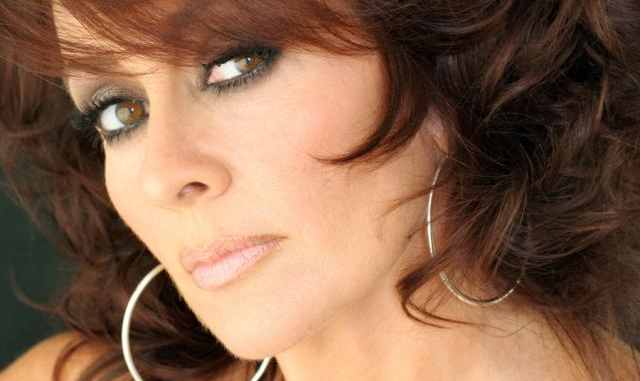
The Woman Who Grounded the Chaos
In a sitcom built on exaggeration, conflict, and relentless family interference, Patricia Heaton’s portrayal of Debra Barone was the stabilizing force that kept Everybody Loves Raymond from collapsing into pure farce. While Ray Romano’s neurotic humor and Doris Roberts’ explosive maternal presence often dominated scenes, it was Heaton who anchored the show emotionally.
Debra Barone was not just the wife of the titular character. She was the audience’s surrogate, the voice of reason, and the only character consistently aware that the Barone family dynamic was deeply dysfunctional.
Patricia Heaton didn’t just play Debra—she humanized the series.
Debra Barone: More Than “The Wife”
At first glance, Debra could easily have been written as a sitcom stereotype: the nagging spouse constantly frustrated by her husband’s immaturity and his intrusive parents. But Heaton’s performance elevated the role far beyond that.
Debra was:
-
Intelligent but emotionally exhausted
-
Assertive yet frequently undermined
-
Loving but increasingly resentful
Through subtle shifts in tone, body language, and timing, Heaton conveyed the psychological toll of being the only adult in a family that refused to grow up.
The Feminine Perspective in a Male-Centered Comedy
Everybody Loves Raymond was undeniably male-centric. Ray’s perspective framed most episodes, often minimizing Debra’s struggles or turning them into punchlines.
Heaton’s performance quietly resisted that framing.
Even when the script positioned Debra as “overreacting,” Heaton infused her scenes with emotional logic. The audience might laugh at Ray—but they understood Debra.
Over time, this created an unusual dynamic: Debra became the moral center of a show that rarely admitted it had one.
Comedic Precision Beneath Emotional Restraint
Unlike the broad physical comedy of Brad Garrett or the explosive delivery of Doris Roberts, Heaton’s humor relied on control. Her comedy came from:
-
Suppressed rage
-
Sarcasm sharpened by disappointment
-
Pauses that carried more weight than punchlines
This restraint made Debra’s occasional emotional outbursts feel earned—and devastatingly funny.
Behind the Scenes: Fighting for Debra’s Voice
According to long-standing industry anecdotes, Patricia Heaton frequently advocated for Debra’s perspective during production. While the show was built around Ray Romano’s experiences, Heaton reportedly pushed back when Debra’s reactions were written as unreasonable without context.
This quiet resistance shaped Debra into one of television’s more realistic portrayals of marriage frustration—particularly for women navigating emotional labor in family life.
Debra vs. Marie: A Generational War
Much of Heaton’s most memorable work came from Debra’s ongoing conflict with Marie Barone. Rather than playing Debra as merely antagonistic, Heaton framed the rivalry as existential.
Marie represented:
-
Passive-aggressive control
-
Traditional maternal authority
-
Emotional manipulation disguised as care
Debra’s frustration was not petty—it was survival.
The tension between Heaton and Doris Roberts created one of sitcom history’s most authentic depictions of in-law conflict, balancing humor with genuine psychological warfare.
Marriage Without Illusion
One of Everybody Loves Raymond’s most subversive achievements was its refusal to romanticize marriage. Debra loved Ray—but she did not idealize him.
Heaton played this honesty with remarkable nuance. Debra’s love was:
-
Conditional on effort
-
Tested by neglect
-
Constantly renegotiated
This realism made the show resonate with viewers far beyond its comedic premise.
Awards and Recognition: Quiet Validation
Patricia Heaton’s work earned her critical recognition, but her impact goes beyond awards. She reshaped expectations for sitcom wives, proving that strength did not require dominance—and vulnerability did not require weakness.
Her Debra was flawed, reactive, and sometimes harsh—but always human.
Legacy: The Character Who Aged Best
Years after Everybody Loves Raymond ended, Debra Barone remains one of the show’s most relatable figures. While Ray’s immaturity and Marie’s manipulation feel exaggerated with time, Debra’s exhaustion feels timeless.
Patricia Heaton didn’t just support the comedy—she grounded it in reality.
Without her, Everybody Loves Raymond might have been funny.
With her, it was believable.