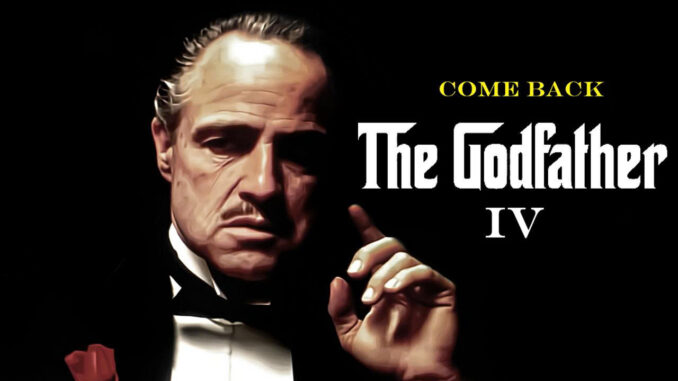
Decades after its release, The Godfather has not faded into nostalgia—it has grown sharper, colder, and more unsettling with time. What once felt like a story about organized crime now reads as a blueprint for power itself, stripped of illusion and exposed in its rawest form.
Directed by Francis Ford Coppola, the film does not simply tell the rise of a mafia family. It dissects how power is built, protected, and ultimately paid for. Influence is never free. Every decision demands a sacrifice—and the cost is almost always human.
At the center of this legacy is Michael Corleone, portrayed by Al Pacino. By the end of the film, he has achieved what many would define as ultimate success: absolute control. Enemies eliminated. Authority unquestioned. A dynasty secured.
And yet, what remains is not triumph—but emptiness.
The film’s most unsettling truth is not that power corrupts, but that it isolates. Relationships collapse under the weight of secrecy. Trust becomes a liability. Love is replaced by strategy. Even family—the very foundation of the Corleone empire—becomes something transactional, conditional, fragile.
Silence becomes the language of survival. 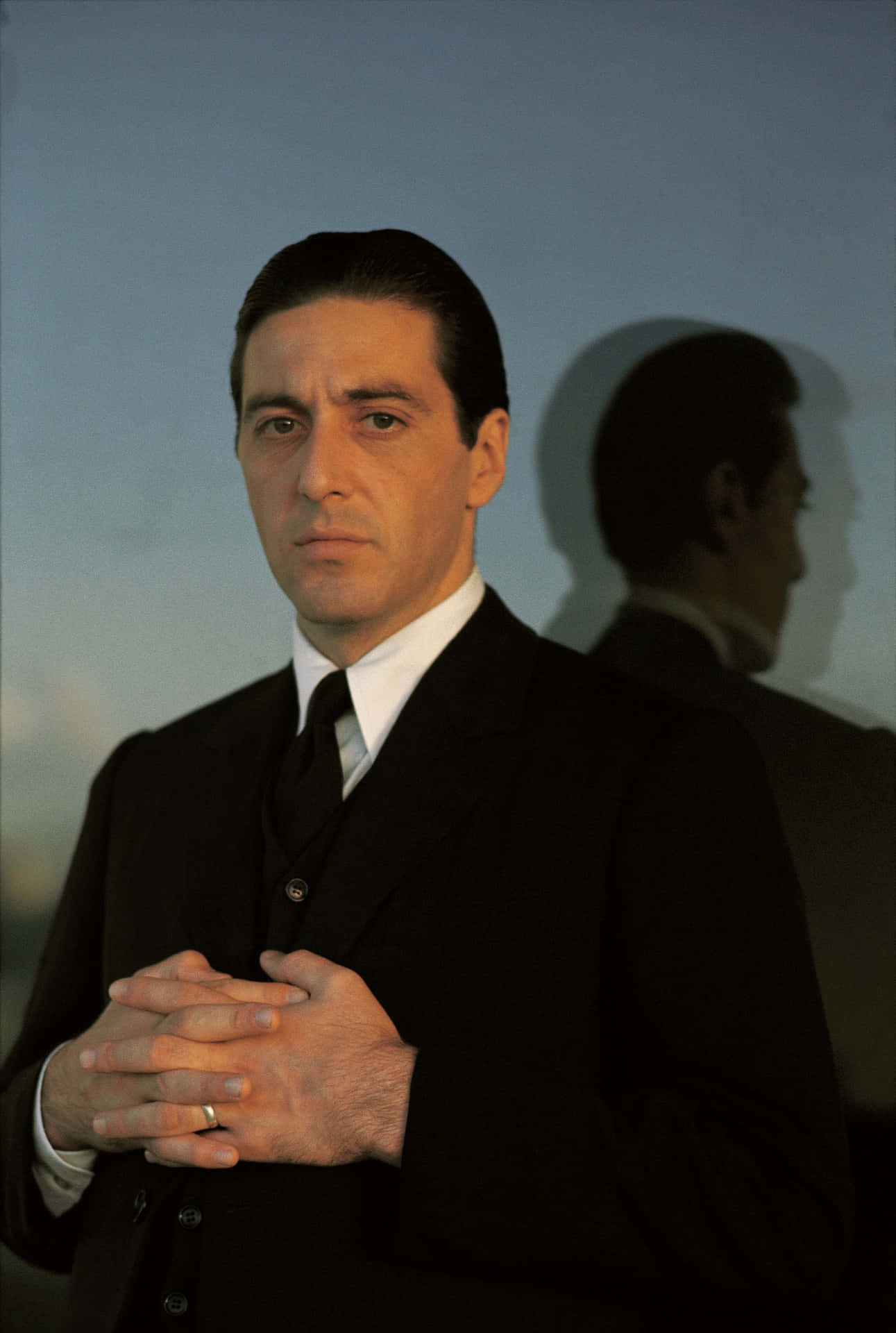
Conversations are guarded. Emotions are suppressed. Truth is hidden behind closed doors—sometimes literally. The world of The Godfather is not loud or chaotic; it is quiet, controlled, and suffocating. That silence is what makes it so dangerous.
What gives the film its lasting impact is this refusal to comfort the audience. There is no redemption arc, no moral resolution, no reassurance that justice will prevail. Instead, it offers something far more powerful: a mirror.
Because beyond the suits, the rituals, and the violence, The Godfather is not just about crime. It is about ambition. Control. The choices people make when power is within reach—and the parts of themselves they are willing to destroy to keep it.
That is why it still dominates every conversation about power.
Not because it glorifies it—
but because it reveals what it really costs.