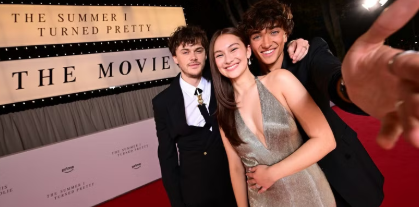
The stars of The Summer I Turned Pretty helped turn the Prime Video series into one of the biggest YA hits of the streaming era, but behind the scenes, the transition to the upcoming movie hasn’t been nearly as seamless.
That surge in popularity ultimately led Prime Video to green light a movie to wrap up the story, a move that came as a surprise to fans who initially believed the series was coming to an end after its third season. And while it appears the cast was excited to get going on the film, Deadline‘s report hints that negotiations surrounding their salaries and involvement in the project have become complicated since the movie was announced last year.
According to sources cited by Deadline, some actors were reluctant to commit to the film under the proposed terms and were told that salary bumps for the series would be contingent on signing on for the movie. While renegotiation is common for successful shows, it is not a guarantee, as most actors are bound by multi-year contracts that include only incremental raises.
Ultimately, the main cast, including Sean Kaufman and Rain Spencer, agreed to the updated deals, which reportedly included higher pay for Season 3, with some estimates placing their salaries around $100,000 per episode, as well as terms for the movie. However, some talent-side sources claim that at least a portion of the cast felt pressured into accepting those conditions, describing the agreements as being made “under duress.” Studio sources maintain, however, per Deadline‘s report, that the actors were aligned with the plan.

Season 3 brought in an estimated 70 million viewers globally within its first 70 days and remained in Prime Video’s Top 10 for months, further amplifying the conversation around whether the cast’s pay accurately reflects their role in driving that success.
As production on The Summer I Turned Pretty movie gears up, the cast is set to return to Cousins Beach for one final chapter. But as Deadline‘s report highlights, the conversation around compensation and recognition is far from over, and could have wider implications for how future YA breakout stars are treated.