Few characters in television history are as recognizable—or as debated—as George Jefferson from The Jeffersons.
At first glance, George Jefferson appears to be a symbol of progress. He is successful, self-made, and unapologetically confident. At a time when Black representation on television was limited, his presence alone marked a significant shift. He was not defined by struggle alone, but by ambition and achievement.
Yet, decades later, that same character has become the center of an ongoing conversation: was George Jefferson a breakthrough figure—or a reflection of the very stereotypes the show aimed to challenge?
Portrayed by Sherman Hemsley, George was intentionally written as loud, stubborn, and often abrasive. His sharp tongue and confrontational attitude were central to the show’s humor. Audiences laughed at his outbursts, his ego, and his constant clashes with those around him.
But humor, especially in the context of race and class, is rarely neutral.
Some critics argue that George Jefferson’s personality reinforced exaggerated traits that had long been used in media portrayals. His temper, his arrogance, and his frequent hostility could be seen not just as character flaws, but as familiar caricatures presented for comedic effect. 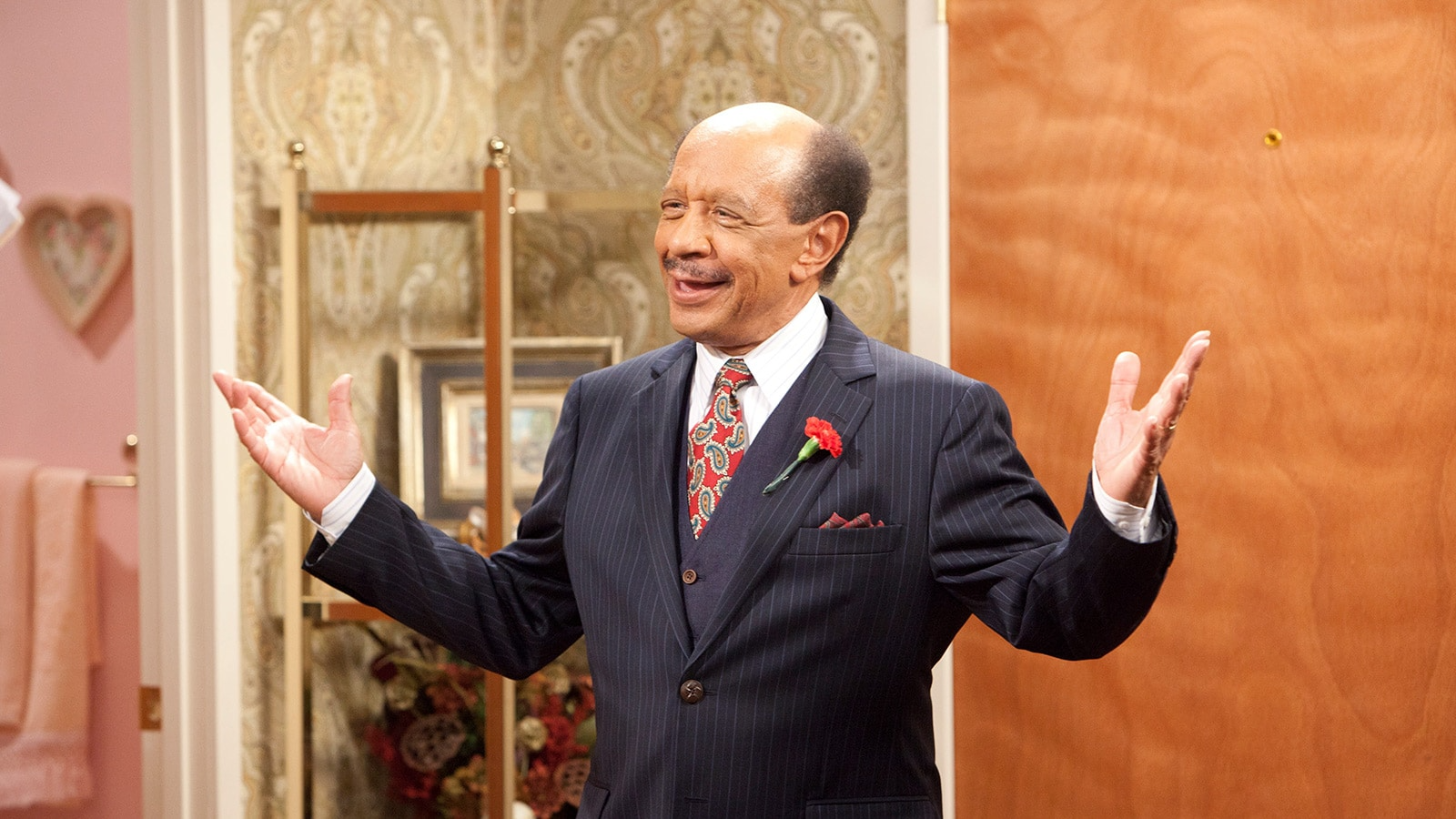
Others, however, see something entirely different.
They argue that George Jefferson was never meant to be ideal. He was complex, flawed, and deeply human. His contradictions—his pride, his insecurities, his need to assert control—reflected the realities of someone navigating a world where success did not erase prejudice. In this reading, his character becomes less of a stereotype and more of a response to the pressures around him.
This tension is what keeps the debate alive.
Modern audiences, viewing the show through a contemporary lens, are more attuned to how representation functions. What once felt groundbreaking can now feel incomplete or even problematic. At the same time, dismissing the character entirely risks overlooking the context in which he was created.
The Jeffersons existed in a different era—one where simply placing a character like George at the center of a successful show was itself a form of disruption. But progress is not static. It evolves, and with it, the standards by which characters are judged.
George Jefferson stands at the intersection of these shifting perspectives. He is both a product of his time and a figure that continues to challenge it.
Perhaps the most honest conclusion is that he is neither purely progressive nor purely problematic. He is both.
And that complexity may be the very reason the character endures—not as a perfect symbol, but as a reminder that representation in media is rarely simple, and never finished.