
Long before “relatable content” became a digital buzzword, Roseanne had already carved out a space on television that felt almost uncomfortably real. Centered on the working-class Conner family, led by the sharp-tongued and deeply human Roseanne, portrayed by Roseanne Barr, and her husband Dan, brought to life by John Goodman, the series refused to sanitize the struggles of everyday life. Instead of escapism, it delivered financial anxiety, marital tension, generational conflict, and emotional fatigue with a blunt honesty rarely seen in sitcoms of its era. The show followed a blue-collar family constantly battling money problems, unstable jobs, and emotional pressure, yet still managing to survive through raw, imperfect love . 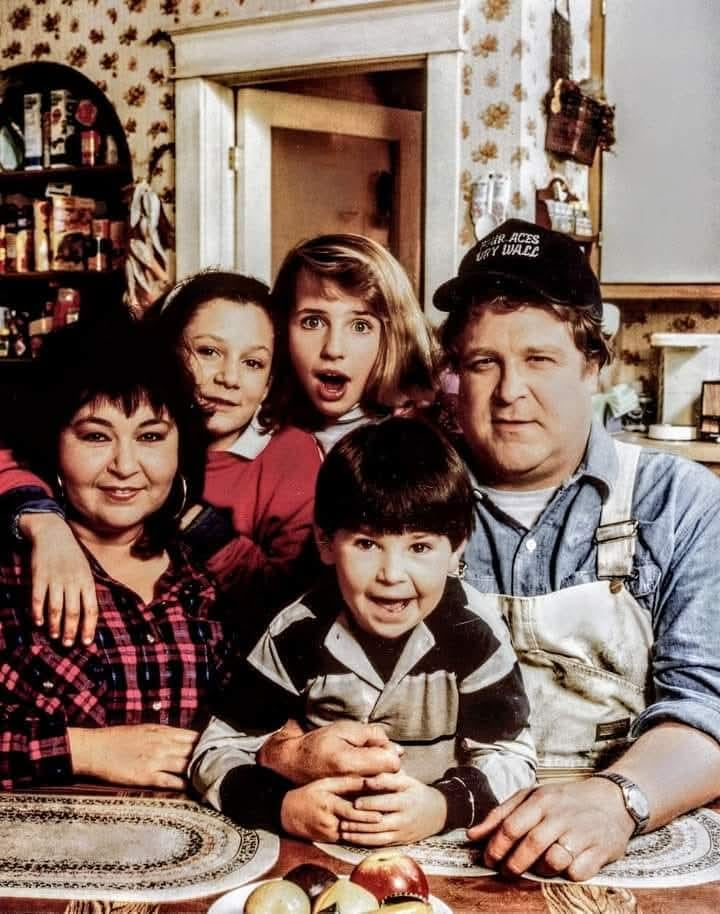 What made “Roseanne” truly groundbreaking was not just its humor, but its willingness to confront issues many shows avoided, from domestic instability to mental health and social identity, presenting them not as one-off plot devices but as ongoing realities. Its storytelling broke traditional sitcom formulas, replacing polished fantasy with something far more unsettling: truth. Decades later, the series remains culturally relevant because the struggles it portrayed have never disappeared, making it less of a nostalgic sitcom and more of a mirror reflecting real life across generations.