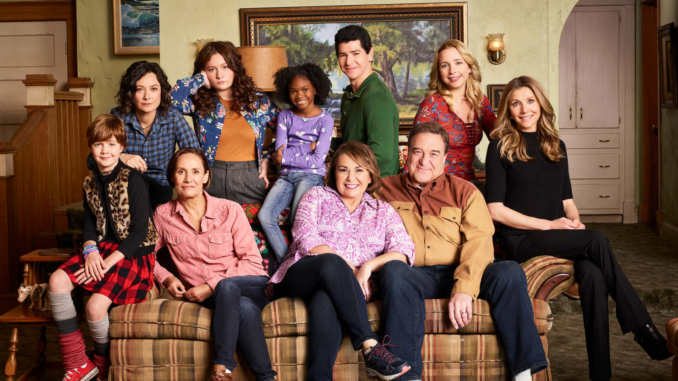
For years, Roseanne was celebrated as one of the most honest portrayals of working-class family life on American television. It was raw, unapologetic, and deeply relatable—earning its place as a cultural landmark.
But behind the laughter, a different story may have been unfolding.
Today, new revelations and ongoing tensions suggest that Roseanne was never just a sitcom. It may have been a production held together by pressure, conflict, and personalities that were destined to collide.
🎭 Behind the Scenes: “A Pressure Cooker” Set
Recent comments from former cast member Sarah Chalke—who played Becky—have reignited discussion about what really happened off-camera.
According to Chalke, the set often felt like a “pressure cooker,” marked by intense creative disagreements and emotional strain. While millions of viewers saw humor and authenticity, those involved in the production reportedly experienced something far more volatile.
The implication is difficult to ignore:
What audiences perceived as chemistry may, in reality, have been controlled chaos.
💔 A TV Family That Didn’t Survive Reality
On screen, the Conner family stood as a symbol of resilience—flawed, loud, but ultimately united.
Off screen, that unity did not last.
Reports indicate that Roseanne Barr and John Goodman—who portrayed one of television’s most iconic couples—are no longer in contact following the show’s controversy and cancellation.
It’s a stark contrast that continues to unsettle fans:
A series built on family values ultimately fractured the very relationships that brought it to life.
⚰️ Written Out of Her Own Legacy
Perhaps the most controversial chapter came after the show’s abrupt cancellation.
In its spin-off, The Conners, the character of Roseanne Conner was killed off—her death attributed to an opioid overdose.
For some, it was a narrative necessity.
For others, it felt like something more symbolic: a definitive and public severing of ties with the show’s original creator and star.
In the history of television, few moments have felt as final—or as debated.
🚨 A Comeback That Could Reignite the Fire
Yet, the story may not be over.
Roseanne Barr has reportedly been developing new material—projects described as provocative, politically charged, and intentionally confrontational.
Unlike many public figures who attempt quiet returns, Barr appears to be taking a different approach:
Not reconciliation—but resistance.
If realized, such a comeback could once again divide audiences, critics, and the industry itself. 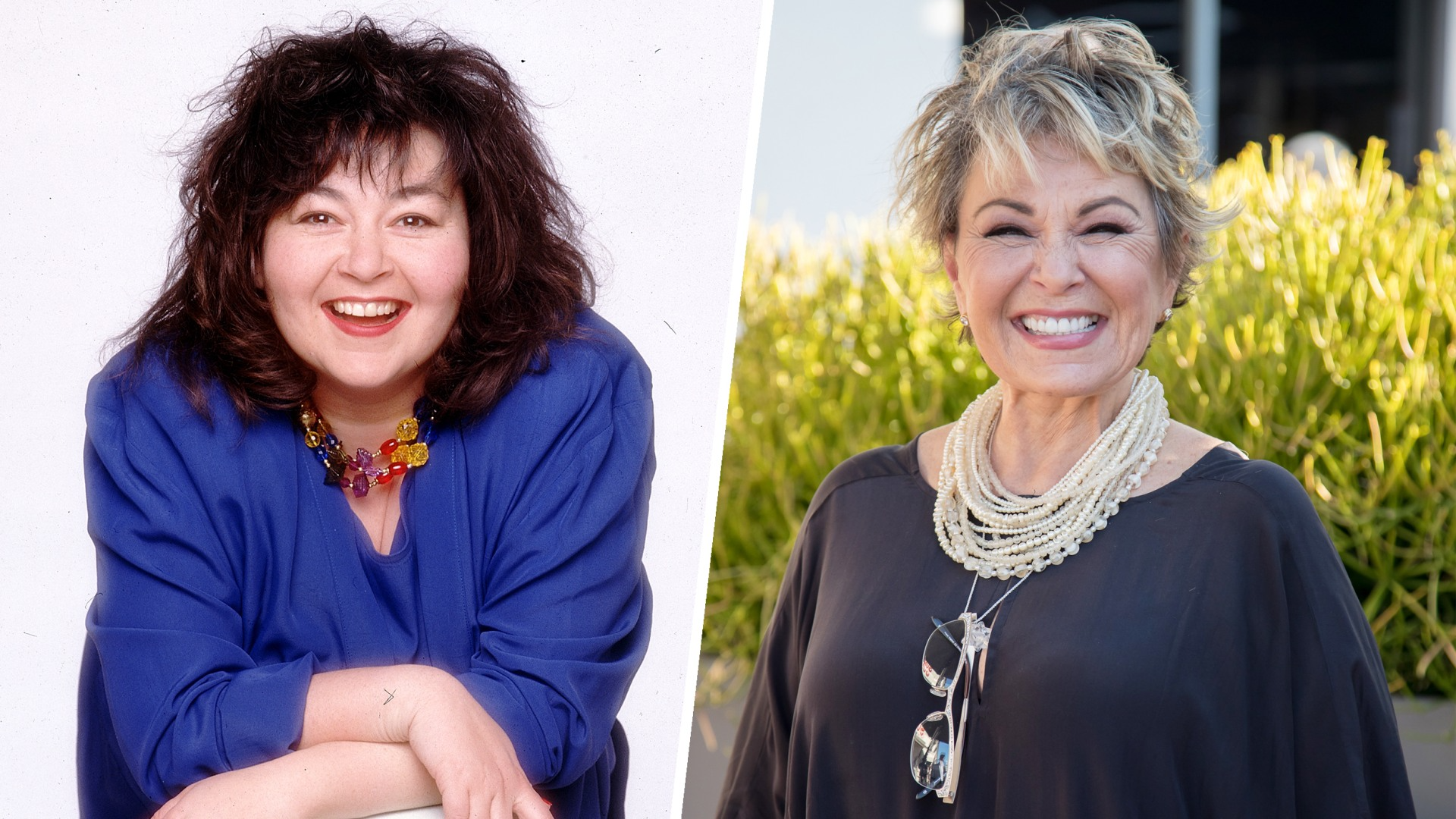
🧠 The Bigger Question
The rise and fall of Roseanne now raises broader questions about fame, accountability, and the evolving boundaries of public tolerance.
Was this the necessary consequence of crossing a line?
Or does it reflect a culture increasingly willing to erase even its most influential figures?
💣 A Legacy Rewritten
Once a groundbreaking voice for everyday Americans, Roseanne now stands as something more complicated—a case study in how quickly cultural icons can be dismantled.
And perhaps more importantly:
Whether they are ever truly gone.