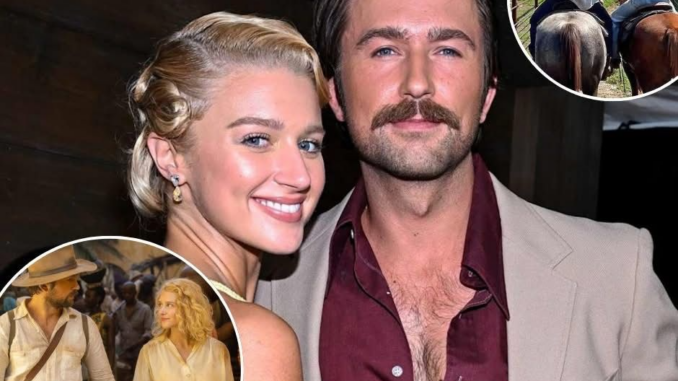
In a series filled with ruthless power plays and violent legacy battles, it’s almost ironic that two of Yellowstone’s most controversial figures aren’t Duttons at all. Walker and Laramie — portrayed by Ryan Bingham and Hassie Harrison — have become lightning rods for debate, frustration, and unexpected loyalty within the fandom.
And the question fans keep asking is uncomfortable but unavoidable:
Do Walker and Laramie belong in the Yellowstone world — or do they exist to challenge it?
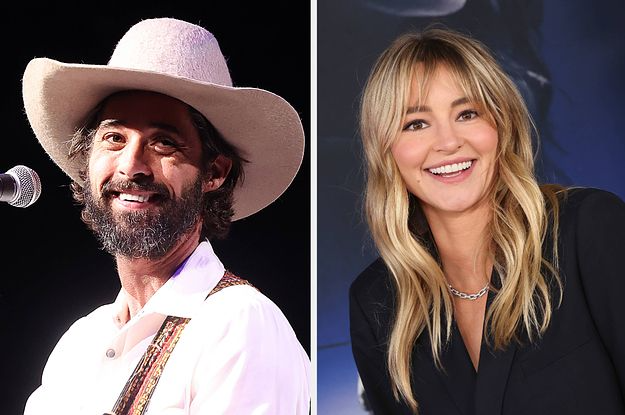
Walker: the cowboy who refuses to worship the ranch
Walker was never meant to be a hero. From the moment he stepped onto the ranch, he felt out of place — and that was intentional. Unlike Rip or Lloyd, Walker doesn’t believe the Yellowstone is worth dying for. He follows rules when he must, resists violence when he can, and refuses to glorify the brutality that keeps the ranch alive.
For some fans, that makes him insufferable.
They see Walker as weak, disloyal, and unwilling to commit to the code that defines the bunkhouse. In a universe built on sacrifice, Walker’s moral hesitation feels like betrayal.
But for others, Walker is one of the few honest characters left.
He’s a reminder that the Dutton way isn’t noble — it’s coercive. That loyalty at the ranch often comes at the cost of freedom. And that refusing to participate in violence doesn’t make someone less of a cowboy — it makes them human.
Walker doesn’t reject the ranch because he’s afraid.
He rejects it because he understands the price.
Laramie: free spirit or unnecessary chaos?
If Walker challenges the ranch ideologically, Laramie disrupts it emotionally.
Introduced as part of the barrel racer crew, Laramie quickly became a point of contention. Critics accuse her of being reckless, self-centered, and responsible for unnecessary conflict — especially within the bunkhouse. To them, she represents distraction, drama, and instability in a place where survival depends on focus and discipline.
But that criticism often ignores what Laramie actually represents.
She refuses to be intimidated. She doesn’t play by ranch rules written by men who never intended to make room for women like her. And she unapologetically chooses desire, freedom, and agency — even when it makes others uncomfortable.
Laramie isn’t chaos for chaos’s sake.
She’s disruption in a system that thrives on control.
Why their presence makes fans uncomfortable
Together, Walker and Laramie expose a truth many fans would rather avoid:
Yellowstone isn’t just about protecting land — it’s about enforcing obedience.
These two characters don’t fit neatly into that ideology. They don’t romanticize the ranch. They don’t glorify violence. And they don’t pretend loyalty should be unconditional.
That’s why they’re polarizing.
Fans who love the ranch mythos often resent them. Fans who question it defend them fiercely. And the show never fully sides with either perspective — because the discomfort is the point.