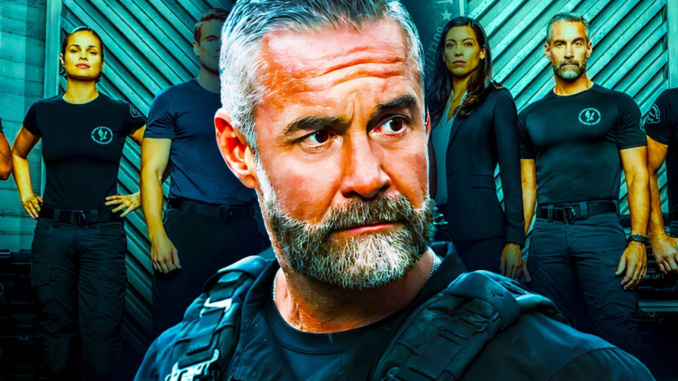
When S.W.A.T. Season 8 reversed Deacon Kay’s retirement, the moment landed with mixed emotions. On one hand, fans were relieved. Deacon is a cornerstone of the series — dependable, principled, and deeply human. On the other hand, the decision quietly exposed the show’s biggest challenge moving forward: how do you evolve without erasing growth?
This isn’t just about one character coming back. It’s about identity, stakes, and whether S.W.A.T. can keep moving forward without constantly hitting the rewind button.
Let’s unpack why undoing Deacon’s retirement matters — and what it means for the future of the series.
Why Deacon’s Retirement Was a Big Deal in the First Place
Deacon stepping away wasn’t random. It felt earned.
A Natural End to a Long Journey
After years of high-risk missions, moral leadership, and personal sacrifice, Deacon’s retirement symbolized something rare on network TV: closure. It showed the cost of the job and honored the idea that heroes don’t have to die to move on.
That’s powerful storytelling.
Representation of Growth and Consequences
Deacon’s exit told viewers that time passes, priorities change, and even the strongest officers eventually choose family and peace. It added emotional weight to the badge.
Undoing that choice weakens that message.
Why S.W.A.T. Walked the Decision Back
Let’s be real — this wasn’t done carelessly.
The Comfort of Familiar Faces
Deacon as Emotional Glue
Deacon isn’t just another team member. He’s the conscience of the squad. When things get messy, he grounds the story.
From a production standpoint, removing that anchor is risky.
Fan Attachment Is a Double-Edged Sword
Fans love Deacon. Networks know it. Bringing him back feels safe — like returning to a familiar neighborhood when the world feels uncertain.
But safety doesn’t always equal strength.
The Biggest Challenge S.W.A.T. Faces Moving Forward
Letting Characters Actually Move On
Here’s the core issue: S.W.A.T. struggles with permanence.
When big decisions get reversed, stakes soften. Viewers start to believe that nothing truly changes — and that’s dangerous for long-running drama.
Growth Loses Impact Without Consequences
If retirement doesn’t stick, what does?
The show risks turning meaningful arcs into temporary pauses rather than real turning points.
Why This Isn’t Just a Deacon Problem
Deacon’s return highlights a broader pattern.
The Fear of Change in Long-Running Series
Why Familiarity Can Stall Evolution
After eight seasons, S.W.A.T. knows what works. But relying too heavily on the same dynamics can slowly drain tension.
Change doesn’t mean chaos — it means progression.
The Balance Between Stability and Risk
Every successful long-running show faces this dilemma. Move too fast, and you lose your base. Stay too still, and stories start looping.
Right now, S.W.A.T. is leaning a little too hard toward comfort.
How Deacon’s Return Impacts Storytelling
Lowered Narrative Stakes
When retirement becomes reversible, danger feels less final. Emotional moments feel less permanent.
It’s like watching a high-wire act with a safety net you can clearly see.
Missed Opportunity for New Leadership Stories
Deacon leaving could’ve opened doors:
-
New leadership struggles
-
Shifts in team hierarchy
-
Younger characters stepping up
Those stories still matter — but they lose urgency when the old guard returns unchanged.
What S.W.A.T. Did Right With Deacon’s Arc
Let’s give credit where it’s due.
Why Deacon Still Works as a Character
He Embodies the Soul of the Show
Deacon represents integrity, loyalty, and emotional intelligence. His presence elevates scenes without dominating them.
That’s why viewers missed him.
His Return Was Emotionally Grounded
The show didn’t bring him back casually. It tied his return to duty, purpose, and identity — themes S.W.A.T. handles well.
The execution wasn’t sloppy. The implication is the issue.
The Real Question: What Comes Next?
Undoing a retirement isn’t fatal — repeating the pattern is.
How S.W.A.T. Can Fix This Moving Forward
Commit to Consequences
If a character makes a life-altering decision, let it reshape the show — even if it’s uncomfortable.
Discomfort is where drama lives.
Use Veterans as Mentors, Not Crutches
Characters like Deacon can still matter without resetting their arcs. Shift them into mentorship, advisory, or transitional roles that allow space for new growth.
Why Season 9 (If It Happens) Is a Turning Point
Season 8’s decision puts pressure on what comes next.
The Show Needs Forward Momentum
Season 9 — if greenlit — must prove S.W.A.T. isn’t afraid of evolution. That means:
-
Real exits
-
Lasting promotions
-
Irreversible consequences
Without that, the series risks creative stagnation.
What Fans Actually Want (And Fear)
Comfort, Yes — But Also Progress
Fans don’t want chaos. They want meaning. They want to believe that what they’re watching matters long-term.
Undoing big moments too often breaks that trust.
Why This Moment Matters More Than It Seems
Deacon’s retirement wasn’t just a plotline. It was a statement.
Walking it back suggests hesitation — and hesitation is the enemy of bold storytelling.
The Silver Lining: Awareness Is the First Step
The good news? This challenge is fixable.
S.W.A.T. still has:
-
Strong characters
-
Loyal fans
-
Narrative flexibility
The question is whether it’s willing to let go when the story demands it.
Conclusion: Deacon’s Return Is a Wake-Up Call, Not a Failure
Undoing Deacon’s retirement in S.W.A.T. Season 8 doesn’t ruin the show — but it reveals its biggest challenge moving forward.
Growth only matters if it sticks. Stakes only matter if they hold. And long-running dramas survive not by clinging to the past, but by trusting the future.
If S.W.A.T. can learn from this moment, it still has plenty of fight left.
FAQs
1. Why did S.W.A.T. undo Deacon’s retirement?
Likely due to fan attachment and the character’s importance to the show’s emotional core.
2. Does Deacon’s return hurt the story?
Not immediately, but it risks lowering long-term stakes if similar reversals continue.
3. Is this a common issue in long-running TV shows?
Yes. Many shows struggle to balance familiarity with meaningful change.
4. Could Deacon still evolve after returning?
Absolutely — if the show commits to new roles and lasting consequences.
5. What’s the biggest challenge for S.W.A.T. now?
Allowing character decisions to have permanent impact without fear of change.