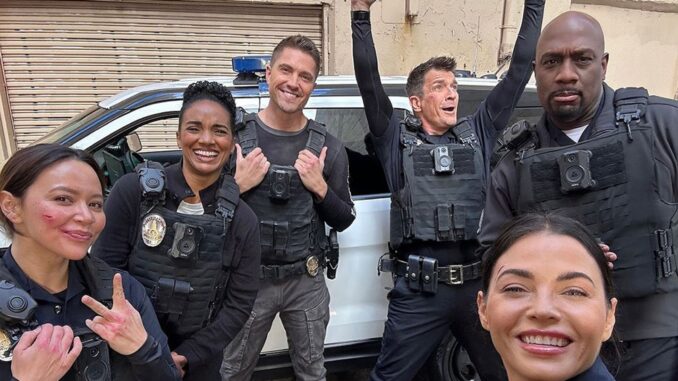
The question of whether a rookie character should continue into future seasons is more than simple casting speculation—it’s a conversation about longevity, storytelling depth, and audience connection. In long-running procedural dramas like The Rookie, the presence of a rookie isn’t just a narrative device; it’s the emotional entry point for viewers. And right now, that role may be more important than ever.
Why the Rookie Character Matters More Than Fans Realize
From the very beginning, a rookie character represents growth, uncertainty, and discovery. Viewers learn the rules of the world alongside them, experience mistakes in real time, and feel the weight of consequences through fresh eyes. Removing that perspective too soon risks losing the relatability that keeps a show grounded.
In shows that span many seasons, veterans often become highly competent and emotionally guarded. The rookie balances that by asking questions, challenging norms, and reminding audiences why the job is dangerous, personal, and emotionally costly.
Has the Rookie’s Story Truly Run Its Course?
The biggest argument against continuing a rookie character is the fear of stagnation. Once a rookie gains experience, some viewers worry the character no longer serves a purpose. But experience doesn’t equal completion. Growth doesn’t mean the story is finished—it often means the story gets harder.
If the character is still facing moral dilemmas, career consequences, and personal sacrifices, then their arc is far from over. In fact, transitioning from rookie mistakes to seasoned accountability is where the richest storytelling often begins.
Character Growth Is Key to Long-Term Success
For a rookie to justify returning season after season, evolution must feel earned. That means allowing failure, doubt, and uncomfortable change. Audiences connect when growth comes with loss, not immunity. If the character continues to be challenged—professionally and emotionally—their presence remains valuable.
The most successful shows don’t freeze characters in time. They let them outgrow labels while still carrying the scars of where they started.
When a Rookie Stops Feeling Like a Rookie
The danger isn’t longevity—it’s protection. If a rookie is shielded from consequences or becomes unrealistically flawless, viewers disengage. But if the character evolves into a leader who still wrestles with judgment calls and emotional fallout, the transformation feels natural rather than forced.
Audience Connection and Emotional Investment
Rookie characters often become fan favorites because they mirror the audience’s journey. Removing them can feel like cutting off the heart of the show. Viewers don’t just watch plotlines—they invest in people. Continuing a rookie’s story allows that investment to mature instead of being abandoned.
From an SEO and engagement standpoint, characters with long, evolving arcs generate stronger discussion, higher search interest, and more loyal viewership over time.
What the Writers Must Do to Make It Work
To justify future seasons, the writing must shift from “learning the job” to “living with the consequences of knowing better.” That’s where emotional depth thrives. A former rookie facing leadership pressure, ethical gray areas, or personal loss brings more weight than a brand-new replacement ever could.
The character doesn’t need to stay a rookie forever—but they should never stop questioning themselves.
Conclusion: Should the Rookie Continue? Yes—With Purpose
So, should this rookie continue into more seasons? Absolutely—but only if the story keeps evolving. Longevity works when it’s driven by growth, not habit. If the character is still changing, still failing, and still learning in harder ways, then their journey isn’t finished.
A rookie who grows into something more complex doesn’t weaken a show—it strengthens it. And if handled correctly, continuing this character could be the key to keeping the series emotionally relevant for years to come.