When Roseanne premiered in 1988, it quickly became known for something that set it apart from most sitcoms of its time: it wasn’t afraid to talk about real social issues.
Instead of focusing only on light comedy, the show used humor to explore the everyday struggles of working-class Americans. Through the lives of the Conner family, the series addressed topics that many television shows avoided in the late 1980s and 1990s.
Here are some of the most important social issues that Roseanne bravely explored.
1. Poverty and Working-Class Struggles
One of the central themes of the show was financial hardship.
Characters like
Roseanne Conner and
Dan Conner constantly worried about:
- paying bills
- job stability
- supporting their children
Unlike many sitcom families who lived comfortably, the Conners represented the real financial struggles of working-class households, which made the show deeply relatable to millions of viewers.
2. Teen Pregnancy and Birth Control
The series also tackled complicated issues surrounding teen relationships and birth control.
In one memorable storyline,
Becky Conner asks her mother for advice about birth control after revealing that she has slept with her boyfriend,
Mark Healy.
The episode sparked important conversations about how parents and teenagers communicate about sex and responsibility.
3. Abortion Debate
Few sitcoms in the 1980s addressed the topic of abortion, but Roseanne did not shy away from it.
The show presented different perspectives through conversations among the characters, showing how families can have strong disagreements about difficult moral and political issues.
Rather than preaching a single viewpoint, the series highlighted how complex and personal the topic can be.
4. Addiction and Substance Abuse
Another serious issue explored in the series was addiction.
The show addressed problems such as:
- alcohol abuse
- prescription drug dependency
- the emotional toll addiction can have on families
These storylines gave viewers a more honest look at how substance abuse affects ordinary households.
5. Domestic Violence
One of the most powerful storylines involved
Jackie Harris, Roseanne’s sister.
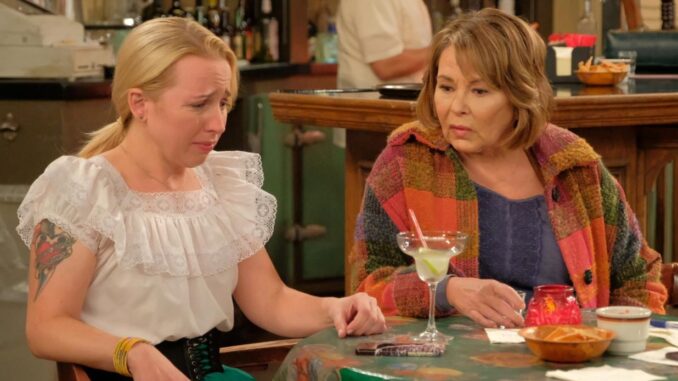
In a heartbreaking episode, Jackie reveals that her boyfriend has physically abused her. The scene where she struggles to admit what happened became one of the most emotional moments in the series.
By portraying domestic violence so honestly, the show helped bring attention to an issue that was rarely discussed openly on television at the time.
6. LGBTQ+ Representation
Roseanne also made television history with its portrayal of LGBTQ+ characters.
The character
Nancy Bartlett comes out as bisexual in the series, which was a groundbreaking moment for a network sitcom in the early 1990s.
The show also included one of the first same-sex kisses on American television, sparking national conversation about representation in media.
7. Gender Roles and Women in the Workplace
Through the experiences of
Roseanne Conner, the show explored the realities of women balancing work, family, and personal identity.
Roseanne worked multiple jobs throughout the series, highlighting the pressure many women face while trying to support their families.
Why These Storylines Made Roseanne Unique
What made Roseanne different from many sitcoms of its time was its honesty.
The show didn’t pretend life was perfect. Instead, it used humor to talk about the real challenges families face.
By addressing serious topics like poverty, domestic violence, and addiction, Roseanne proved that comedy could also be thought-provoking and socially relevant.
⭐ Decades later, many fans still admire the show for its courage. Roseanne didn’t just make audiences laugh—it started conversations about issues that mattered in real life.