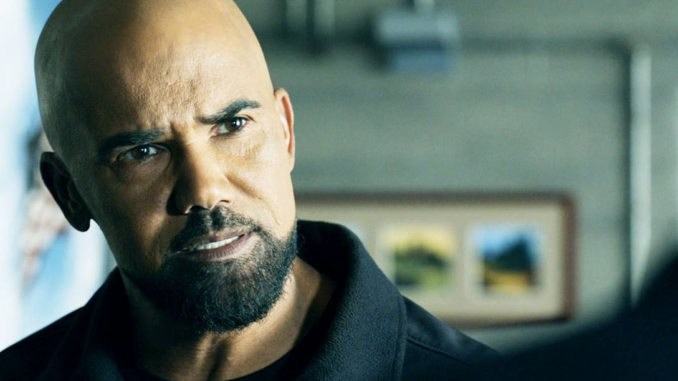
When news broke about a S.W.A.T. spinoff centered around Shemar Moore, fans were ready to celebrate. After all, Moore’s portrayal of Hondo turned him into the emotional backbone of the series. But once the excitement settled and the story details emerged, one uncomfortable truth became impossible to ignore:
The spinoff story doesn’t make sense—and it highlights a much bigger mistake by Sony.
Let’s break down why this decision feels rushed, confusing, and oddly disconnected from everything that made S.W.A.T. work in the first place.
Why Shemar Moore’s Character Worked So Well in S.W.A.T.
Before we talk about what went wrong, we need to acknowledge what went right.
Hondo Was Built for an Ensemble, Not Isolation
Hondo wasn’t just a lone hero. He thrived in a team environment where:
-
Moral conflicts bounced off other characters
-
Leadership was constantly tested
-
Personal growth came from collaboration
Removing him from that ecosystem is like pulling the engine out of a car and expecting it to still run.
The Core Problem With the S.W.A.T. Spinoff Concept
At the heart of the issue is a storytelling contradiction.
The Spinoff Undermines the Original Show’s Logic
S.W.A.T. spent years reinforcing:
-
Team-first decision-making
-
Institutional responsibility
-
Long-term character bonds
The spinoff abruptly reframes Hondo’s journey in a way that ignores that foundation, making the move feel unearned and out of character.
Why the Spinoff Story Feels Forced
This doesn’t feel like a story that needed to be told.
A Decision Driven by Branding, Not Narrative
The spinoff seems less about creative evolution and more about:
-
Keeping a recognizable face on screen
-
Extending a franchise at all costs
-
Chasing short-term attention
When business leads and story follows, cracks start to show—and fans notice.
Sony’s Mistake: Confusing Popularity With Story Potential
Just because a character is popular doesn’t mean they should stand alone.
Popularity Is Not the Same as Narrative Independence
Hondo works because:
-
Other characters challenge him
-
Conflicts feel layered
-
Stakes are shared
The spinoff strips away those dynamics, leaving a version of the character that feels oddly hollow.
How the Spinoff Disrupts Character Continuity
Continuity matters—especially to loyal fans.
Hondo’s Choices No Longer Align With His Values
The spinoff’s premise asks viewers to believe that Hondo would make decisions that:
-
Contradict years of development
-
Undermine his leadership arc
-
Ignore established commitments
That’s not growth. That’s narrative convenience.
Why This Feels Like a Step Back, Not Forward
Spinoffs should expand a universe, not shrink it.
Less Depth, Fewer Stakes
Instead of broadening the S.W.A.T. world, the spinoff narrows it—focusing on surface-level action without the emotional scaffolding that made the original compelling.
It’s like trading a layered novel for a flashy summary.
Audience Trust Is the Real Casualty Here
Fans invest time, emotion, and loyalty.
When Logic Breaks, Trust Follows
Once viewers start asking, “Why would this character do that?”, immersion breaks. And when immersion breaks, ratings follow.
This spinoff risks doing long-term damage to the franchise’s credibility.
Why the Ensemble Cast Was S.W.A.T.’s Secret Weapon
Let’s be clear—S.W.A.T. wasn’t a one-man show.
The Team Was the Story
Every major arc worked because:
-
Characters challenged each other
-
Moral dilemmas had multiple perspectives
-
Emotional beats felt earned
Removing that balance makes the spinoff feel incomplete by design.
Sony’s Pattern of Franchise Overreach
This isn’t happening in a vacuum.
A Familiar Industry Mistake
Hollywood has a habit of:
-
Extending brands beyond their natural lifespan
-
Prioritizing recognition over cohesion
-
Mistaking spin for substance
This spinoff fits that pattern a little too perfectly.
Why Fans Are Calling This Out So Loudly
The backlash isn’t random—it’s thoughtful.
Viewers Aren’t Anti-Shemar Moore
Fans still love Moore. What they don’t love is:
-
Weak justification
-
Rushed storytelling
-
Decisions that feel disconnected
Criticism here comes from care, not hostility.
What a Smarter Spinoff Could Have Looked Like
The frustrating part? This didn’t have to fail.
Missed Opportunities for Organic Expansion
A stronger approach could have:
-
Followed a new team under Hondo’s mentorship
-
Explored internal conflicts within the same framework
-
Maintained ensemble dynamics
Instead, Sony chose the narrowest path.
Why Timing Made This Even Worse
Context matters.
Coming Off an Emotional Ending
Launching a spinoff right after major series shifts makes the move feel reactionary—not inspired.
Fans needed closure or evolution, not whiplash.
How This Decision Reflects a Bigger Industry Issue
This isn’t just about S.W.A.T.
The Franchise-First Problem
Studios increasingly:
-
Build around IP instead of story
-
Extend universes without narrative necessity
-
Assume audiences won’t notice
They do. Every time.
Can Sony Still Fix This Mistake?
It’s not impossible—but it won’t be easy.
What Would Need to Change
-
Stronger narrative justification
-
Reconnection to core themes
-
Willingness to course-correct
Without that, the spinoff risks fading fast.
What This Means for the Future of S.W.A.T.
The original series deserves better than a confusing extension.
Legacy Matters
A poorly handled spinoff can:
-
Dilute the brand
-
Confuse new viewers
-
Undermine the original’s impact
That’s a high price for a short-term gamble.
Why Fans Still Care—Despite the Frustration
If fans didn’t care, they wouldn’t be talking.
Criticism Is a Sign of Investment
People speak up because:
-
The show mattered
-
The character mattered
-
The story mattered
That passion shouldn’t be ignored.
Final Thoughts: Sony’s Spinoff Mistake Says More Than It Should
Shemar Moore’s S.W.A.T. spinoff doesn’t fail because of the actor. It falters because the story behind it lacks logic, emotional grounding, and respect for what came before. In trying to stretch a franchise, Sony may have missed the very thing that made it strong—cohesive storytelling.
Sometimes, the smartest move isn’t expanding the universe. It’s knowing when a story has already said what it needed to say.
FAQs About Shemar Moore’s S.W.A.T. Spinoff
1. Is the spinoff officially connected to the original S.W.A.T. series?
Yes, but the narrative connection feels thin and underdeveloped.
2. Are fans upset with Shemar Moore himself?
No. Most criticism focuses on the story and studio decisions, not the actor.
3. Why do people say the spinoff doesn’t make sense?
Because it contradicts established character development and series logic.
4. Could the spinoff improve over time?
Possibly, but it would require major narrative adjustments.
5. Does this affect the legacy of S.W.A.T.?
It could—especially if the spinoff overshadows what made the original successful.