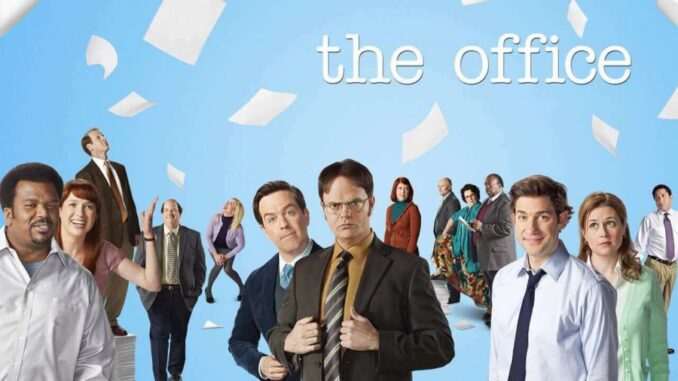
Steve Carell Says “People Really Hated” The Office Pilot: The Rough Road to Dunder Mifflin Glory
Can you imagine a world where Michael Scott never gave a “World’s Best Boss” mug to himself? It sounds like a comedy nightmare, doesn’t it? But according to Steve Carell, that nightmare was almost a reality. Before the memes, the Dundies, and the endless Netflix binges, The Office was a struggling underdog that nearly bit the dust before it even got its first “That’s what she said.”
The Rocky Start of a Cultural Icon
When we think of The Office today, we think of comfort food. It’s the show we put on when we’re folding laundry or when we need a good laugh after a long day. However, back in 2005, the reception was anything but warm. Steve Carell recently pulled back the curtain on those early days, admitting that the pilot episode was met with a resounding “meh”—or worse, actual vitriol.
The Shadow of the British Original
To understand why people “really hated” the pilot, we have to look at its DNA. The US version was a direct adaptation of the UK hit starring Ricky Gervais. The pilot was almost a shot-for-shot remake.
The Comparison Trap
Fans of the original British series were protective. They saw the American version as a watered-down, glossy Hollywood imitation. Imagine trying to cover a Queen song; even if you’re a great singer, people are going to scream, “It’s not Freddie Mercury!” That was the hurdle the US cast had to jump over.
Steve Carell’s Honest Reflection
In recent interviews and retrospectives, Carell has been incredibly candid. He noted that the initial feedback from test audiences and critics was polarizing. People found the character of Michael Scott too abrasive, too mean, and—dare we say it—too much like David Brent.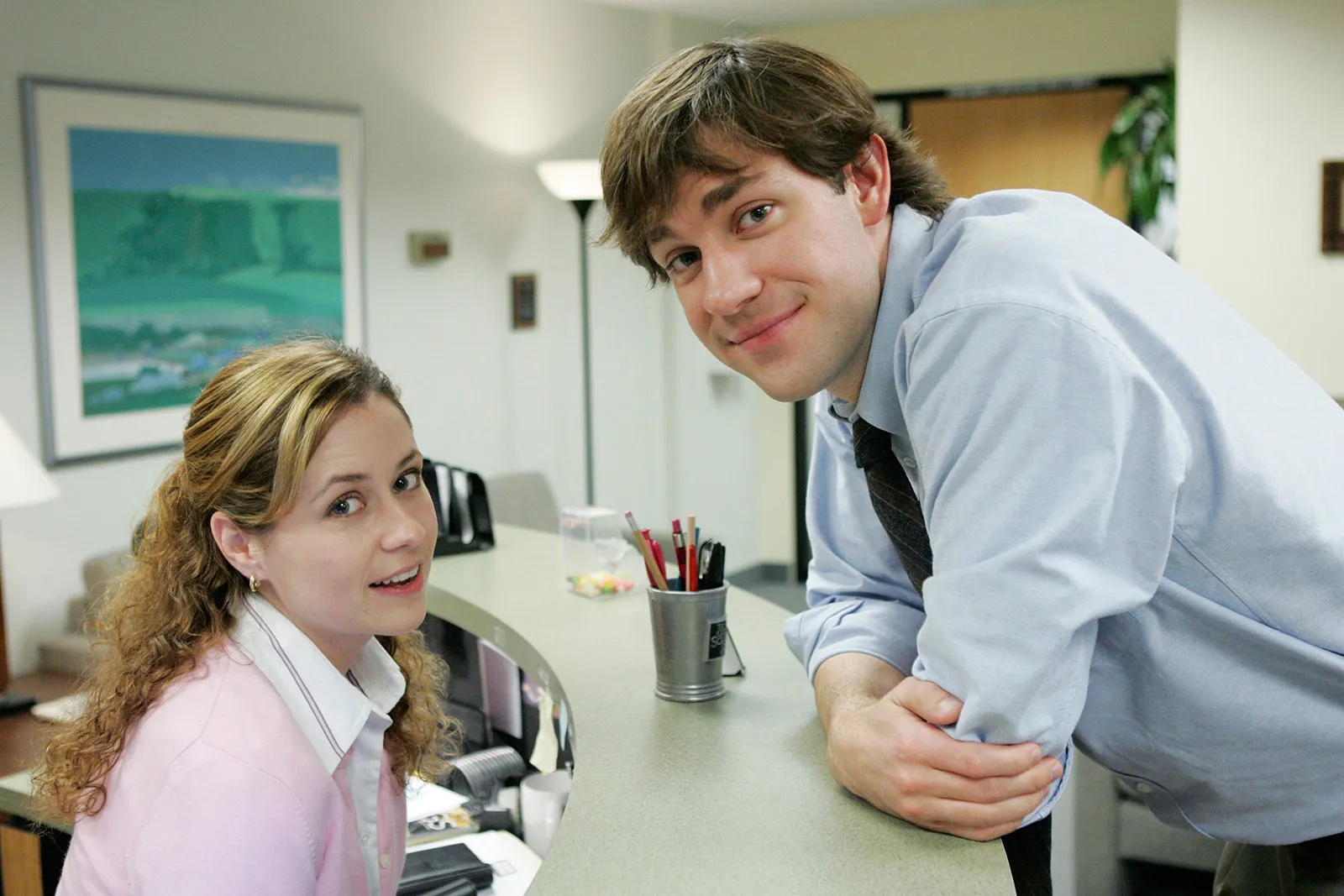
Why Michael Scott Didn’t Work at First
In the pilot, Michael Scott had slicked-back hair and a certain edge that made him feel like a villain rather than a misguided buffoon. He wasn’t the lovable loser we eventually grew to adore. He was just… a jerk.
The “Cringe” Factor
The “cringe” comedy that defines the show was a bit too “cringey” for 2005 network television. Audiences weren’t used to the mockumentary style yet. They kept waiting for a laugh track that never came. It was like going to a party where nobody tells you it’s a costume party—just awkward.
The Turning Point: Finding the Heart
If the pilot was so hated, how did we get 201 episodes? The answer lies in the adjustments made between Season 1 and Season 2. The creators realized that for the show to survive in America, it needed a soul.
The “40-Year-Old Virgin” Effect
While The Office was airing its lukewarm first season, Steve Carell became a massive movie star thanks to The 40-Year-Old Virgin. The producers realized Carell had a natural sweetness and vulnerability. They decided to bake that into Michael Scott.
Making Michael Likable (Sort Of)
They changed his hair, gave him a softer wardrobe, and most importantly, gave him a “win” every now and then. We needed to see that Michael actually cared about his employees, even if he expressed it in the most chaotic ways possible.
The Ensemble That Could
While Michael Scott was the face of the show, the pilot introduced us to the ecosystem of Dunder Mifflin. Even if the audience didn’t “get it” yet, the chemistry was simmering.
Jim and Pam: The Hook
If Michael was the reason people tuned out, Jim and Pam were the reason they stayed. Their “will-they-won’t-they” energy provided the emotional anchor the show desperately needed.
Dwight Schrute: The Secret Weapon
Rainn Wilson’s portrayal of Dwight was absurd from day one. Even in a “hated” pilot, the sight of Dwight humming “The Little Drummer Boy” while organizing his desk was a sign of the comedic genius to come.
The Evolution of the Mockumentary
The pilot felt like a cold experiment. By the time the show hit its stride in Season 2 and 3, the camera itself felt like a character.
The “Jim Look”
That fourth-wall-breaking glance at the camera became the universal language for “Can you believe this guy?” It invited the audience into the joke rather than making them the butt of it.
Breaking the Traditional Sitcom Mold
The Office paved the way for shows like Parks and Recreation and Modern Family. It proved that you don’t need a live audience to be funny. You just need relatable characters and a lot of awkward silence.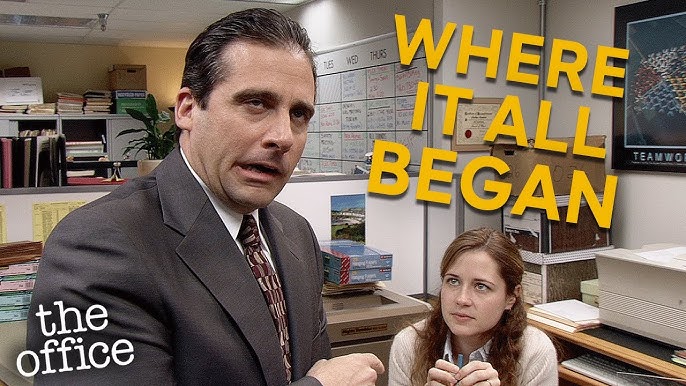
Why We Love the “Hated” Pilot Now
Looking back, the pilot is a fascinating time capsule. It’s like looking at an old high school photo of yourself. Sure, the hair is weird and the vibe is off, but you can see the person you were going to become.
A Lesson in Persistence
The story of The Office pilot is a testament to the power of “tweaking.” Most shows would have been canceled. But NBC took a gamble, the writers adjusted the tone, and Carell found the heart of the character.
Conclusion: From Hated to Iconic
Steve Carell’s admission that people “really hated” the pilot is a reminder that greatness often starts with a stumble. The Office didn’t arrive fully formed as a masterpiece. It was a messy, awkward, and occasionally mean-spirited experiment that learned how to be human. Today, it stands as one of the most beloved comedies in history, proving that sometimes, you have to survive a bad first impression to make a lasting impact.