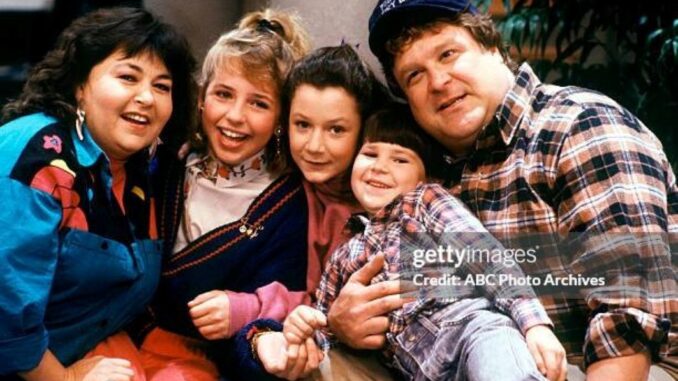
In the landscape of 1990s television, few shows made as powerful and lasting an impression as Roseanne. At a time when many sitcoms portrayed idealized families and comfortable lifestyles, Roseanne broke the mold by offering something different: a raw, honest look at working-class America.
Its cultural impact went far beyond entertainment. The show changed how stories were told on television, influenced future sitcoms, and gave a voice to audiences who rarely saw themselves represented on screen.
1. Redefining the American Family on TV
Before Roseanne, many sitcom families lived in tidy homes, faced minor problems, and resolved everything within 30 minutes. The Conner family was different.
They struggled with:
- financial instability
- job insecurity
- real-life parenting challenges
Roseanne Conner, played by Roseanne Barr, wasn’t a perfect TV mom. She was outspoken, sarcastic, and sometimes flawed—but that’s exactly what made her relatable.
Alongside her, Dan Conner (John Goodman) brought warmth and realism as a hardworking father trying to support his family.
This shift helped redefine what audiences expected from a “TV family.”
2. Giving a Voice to the Working Class
One of the most significant cultural contributions of Roseanne was its focus on working-class life.
In the 1990s, many shows avoided depicting economic hardship in a meaningful way. Roseanne did the opposite—it placed those struggles at the center of its storytelling.
The show tackled issues like:
- layoffs and job loss
- healthcare concerns
- balancing multiple jobs
- living paycheck to paycheck
For many viewers, this was the first time they saw their own experiences reflected so accurately on television.
3. Breaking Barriers With Controversial Topics
Roseanne wasn’t afraid to push boundaries. It addressed topics that were often considered too serious or controversial for sitcoms at the time.
These included:
- domestic violence
- mental health
- gender roles
- LGBTQ+ representation
Storylines involving characters like Jackie (Laurie Metcalf) and Darlene (Sara Gilbert) added emotional depth and sparked conversations among audiences.
By tackling these subjects, the show helped normalize discussions that were often ignored in mainstream media.
4. Influencing Future Sitcoms
The success of Roseanne paved the way for a new kind of sitcom—one that combined humor with realism.
Many later shows borrowed elements from its storytelling style, including:
- more grounded family dynamics
- complex character development
- socially relevant themes
You can see traces of Roseanne’s influence in modern series that aim to balance comedy with real-life issues.
5. Changing the Role of Women in Comedy
Roseanne Conner was unlike most female leads on television at the time. She was bold, unapologetic, and central to the show’s voice.
Through the performance of Roseanne Barr, the series challenged traditional expectations of women in sitcoms.
Instead of being portrayed as secondary or overly polished, Roseanne was:
- loud
- opinionated
- deeply human
This helped open doors for more complex and diverse female characters in television.
6. Creating a Lasting Emotional Connection With Audiences
Perhaps the most important aspect of the show’s cultural impact is the connection it built with viewers.
Audiences didn’t just watch the Conners—they saw themselves in them.
The family’s struggles, humor, and resilience made the show feel personal. That emotional connection is one reason why Roseanne continues to be remembered and discussed decades later.
Why Roseanne Still Matters Today
Even years after its original run, Roseanne remains culturally relevant.
Its themes—family, financial hardship, and resilience—are still part of everyday life for many people. The show’s influence can also be seen in its continuation through The Conners, which carries forward the same spirit in a modern setting.
Final Thoughts
The cultural impact of Roseanne in the 1990s goes far beyond its ratings or popularity. It reshaped television by telling stories that felt real, addressing issues that mattered, and representing people who were often overlooked.
In doing so, it didn’t just entertain—it changed the conversation.
And that’s why Roseanne remains one of the most important sitcoms in TV history.