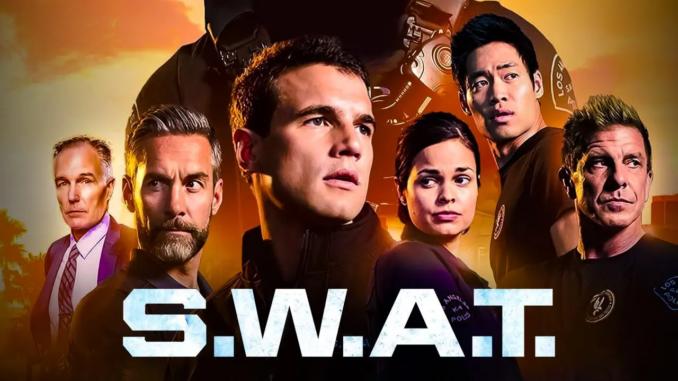
How Has the S.W.A.T. Roster Changed Over the Seasons? A Complete Breakdown of Every Major Shift
If you’ve followed S.W.A.T. since day one, you already know one thing: this isn’t just a crime procedural. It’s a living, breathing unit. And like any real tactical team, its roster has evolved, fractured, rebuilt, and adapted over time.
So how exactly has the team changed? Who left? Who stepped in? And how did those shifts reshape the chemistry, leadership, and emotional weight of the show?
Let’s break it down—season by season, character by character.
The Foundation of S.W.A.T. — Where It All Began
When S.W.A.T. premiered in 2017, it introduced viewers to a tight-knit Los Angeles tactical unit balancing high-risk operations with personal struggles.
At the center? Sergeant Daniel “Hondo” Harrelson.
Played by Shemar Moore, Hondo wasn’t just a leader—he was the moral compass. His dual loyalty to the LAPD and his South L.A. roots gave the show emotional depth from the start.
But he wasn’t alone.
The Original 20-Squad Lineup
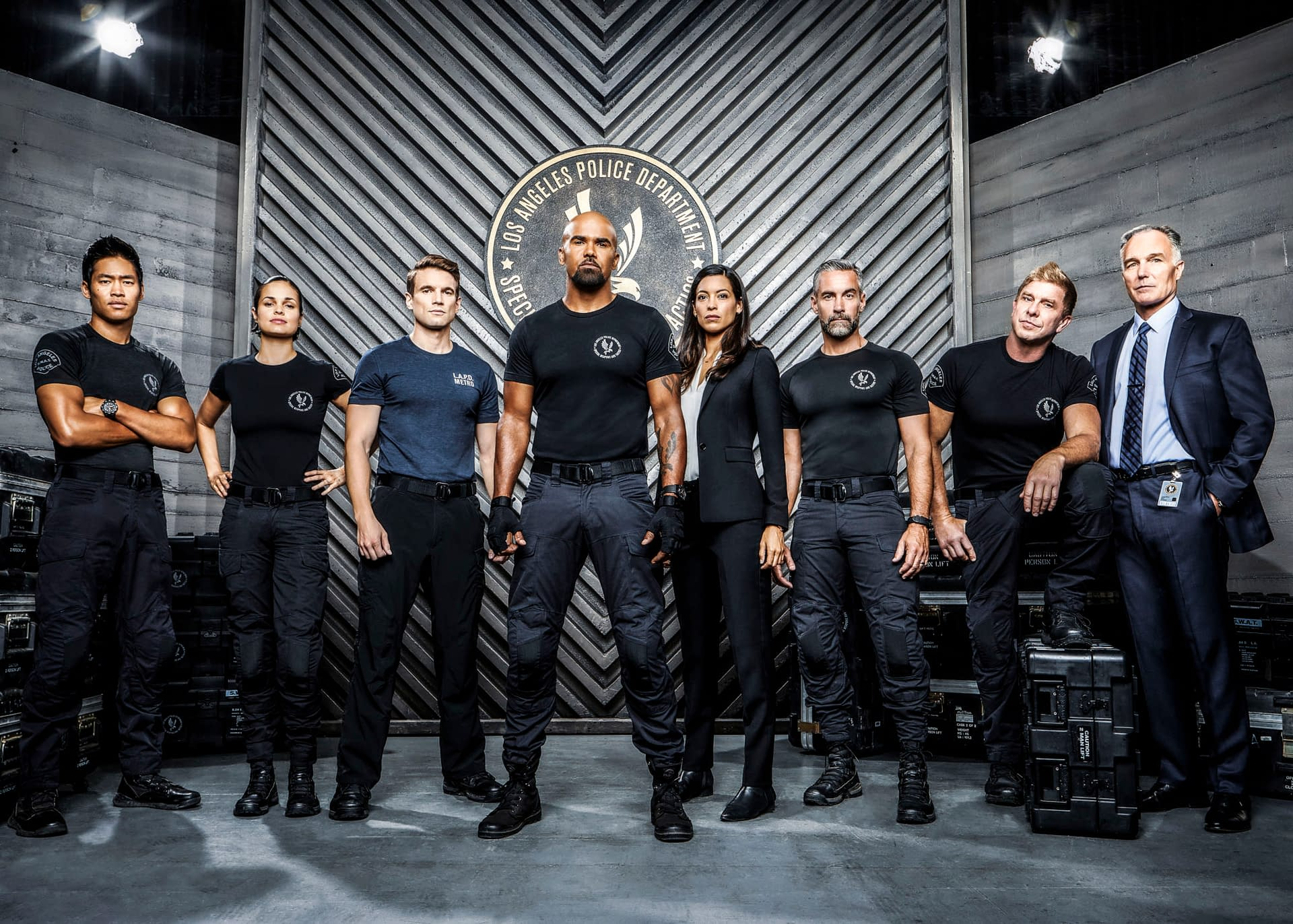
The initial team felt locked-in and cohesive. The core roster included:
-
Daniel Harrelson (Hondo) – Tactical commander
-
Jim Street – The talented but impulsive rookie
-
Chris Alonso – Skilled officer breaking barriers
-
Dominique Luca – The legacy SWAT family member
-
Victor Tan – The steady, analytical presence
-
David Deacon Kay – Veteran officer and family man
This lineup defined the tone: action-heavy, emotionally grounded, and character-driven.
But stability never lasts long in television—or in tactical units.
Early Seasons — Minor Shifts, Growing Depth
Expanding Character Arcs Instead of Replacements
During the first few seasons, the core team remained intact. Instead of major exits, the writers deepened personal storylines:
-
Street’s troubled family background
-
Deacon’s financial strain
-
Chris navigating sexuality and workplace dynamics
-
Tan’s emotional growth
The roster didn’t change dramatically—but the emotional architecture did.
And that matters.
Because when change finally hit, it hit hard.
The First Major Departure — Chris Alonso Leaves
One of the most emotional turning points came with the exit of Chris Alonso.
Her departure marked more than a personnel shift—it changed the team’s energy.
Chris wasn’t just tactical muscle. She symbolized progress, resilience, and representation. Losing her altered squad chemistry in subtle but noticeable ways. The team dynamic felt slightly unbalanced, like a chair missing one leg.
Fans felt it.
And the writers knew it.
Injuries and Absences — When Reality Shaped the Roster
Television production realities also influenced the roster. For example:
-
Dominique Luca was temporarily sidelined due to injury storylines.
-
Other members had reduced screen time due to scheduling or narrative shifts.
These weren’t permanent exits—but they tested the team’s adaptability.
In a tactical unit, redundancy is survival. The show mirrored that philosophy.
Leadership Challenges — Hondo’s Position Tested
No evolution discussion is complete without examining Hondo’s journey.
Across multiple seasons, Daniel Harrelson faced suspensions, demotions, and public controversy.
At one point, real-world headlines even threatened the show’s continuity, putting Shemar Moore at the center of intense media focus.
Yet each time, the show recalibrated.
The roster didn’t just change physically—it changed structurally. Authority shifted. Trust fractured. Leadership evolved.
New Faces Join the Unit
As departures created gaps, new recruits stepped in.
These additions were strategic. Instead of copying old personalities, they introduced new archetypes:
-
Tactical specialists
-
Tech-focused officers
-
Emotionally guarded veterans
The writers avoided simple replacements. They reshaped the DNA of 20-Squad.
And that’s key.
Because evolution isn’t duplication—it’s mutation.
Deacon’s Evolving Role — Stability in a Storm
Through nearly every transition, David Deacon Kay remained a stabilizing force.
His arc shifted from pure field operator to moral anchor. As others left or joined, Deacon’s presence grounded the team.
He became the emotional ballast when the roster felt turbulent.
Street’s Growth — From Rookie to Leader
Remember when Jim Street was reckless and impulsive?
Over the seasons, roster changes accelerated his maturity. With mentors leaving and new teammates arriving, Street had to step up.
He transformed from liability to leader-in-training.
And that shift reflected the broader theme: S.W.A.T. isn’t static. It trains its own future.
Victor Tan — The Quiet Constant
Not every transformation is loud.
Victor Tan evolved internally. While others rotated in and out, Tan’s steady presence provided continuity.
He represents the kind of officer who adapts without losing identity.
In a show defined by roster turnover, that quiet consistency matters.
The Impact of Cancellations and Renewals
Behind the scenes, S.W.A.T. faced multiple cancellation scares before renewal reversals.
Each time, writers had to plan potential endings—then pivot.
That uncertainty affected storytelling. Character exits sometimes felt like possible final bows. When the show returned, arcs reopened.
Roster evolution became part of survival strategy.
How Roster Changes Affected Team Chemistry
Here’s the real question:
Did the show improve or suffer from the changes?
The answer depends on perspective.
-
Early seasons felt cohesive and family-driven.
-
Middle seasons leaned into conflict and instability.
-
Later seasons emphasized resilience and reinvention.
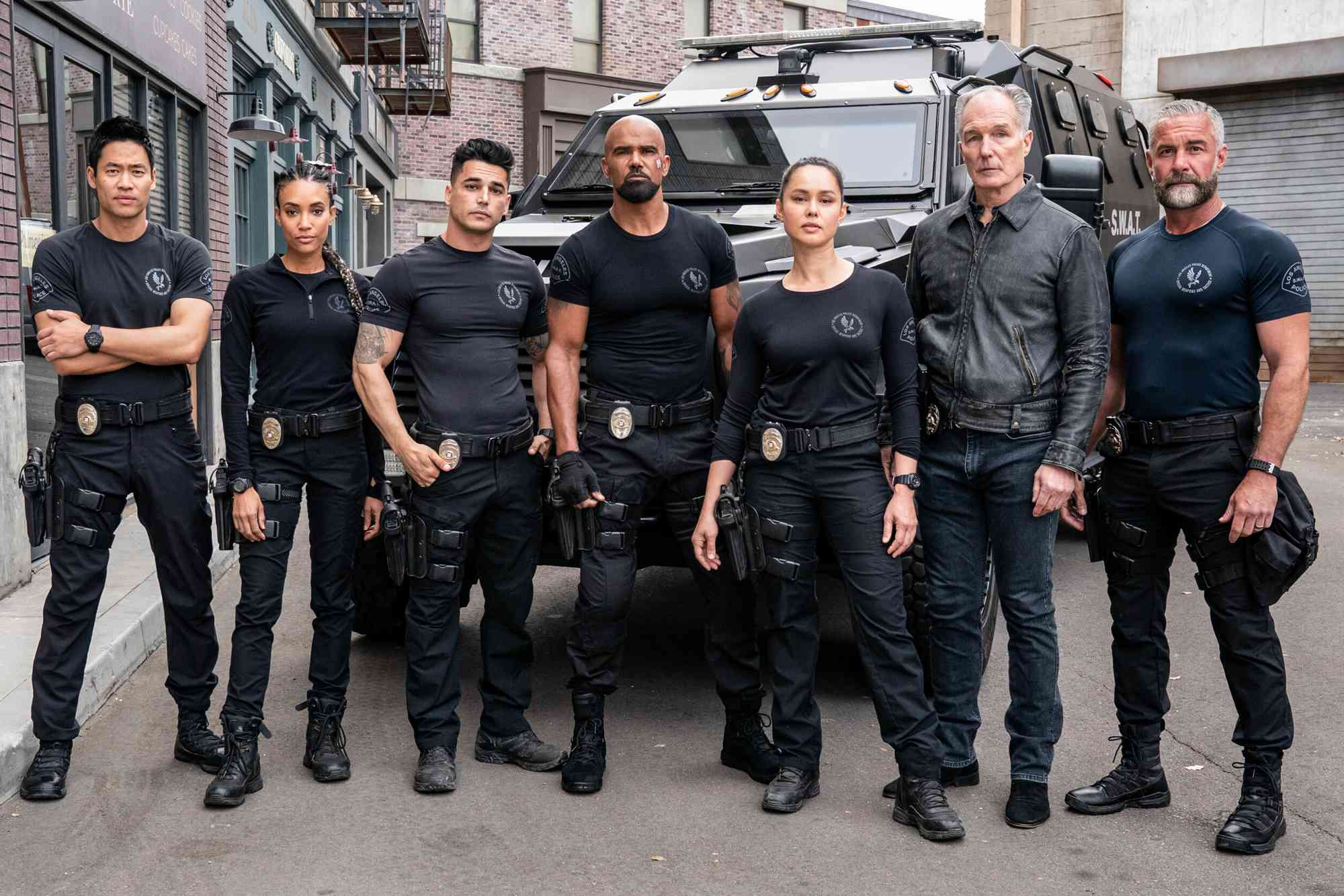
Every roster change altered the emotional tempo.
It’s like a band swapping members. The song remains—but the rhythm shifts.
Representation and Diversity in the Roster
From the beginning, S.W.A.T. prioritized diversity.
Roster changes didn’t abandon that mission. Instead, they expanded it.
Different backgrounds, identities, and personal struggles continued to shape 20-Squad.
That consistency preserved the show’s core identity—even when faces changed.
The Psychological Toll of Constant Turnover
Let’s zoom out.
In real tactical units, turnover affects morale. Trust must be rebuilt. Communication patterns reset.
The show subtly mirrors this.
Each departure forces characters to reassess loyalty, grief, and adaptation. These emotional recalibrations added realism.
Roster changes weren’t just logistical—they were psychological.
Why the Show Survived So Many Changes
Here’s the secret:
The heart of S.W.A.T. isn’t a single character.
It’s the concept of the unit.
As long as 20-Squad exists, the show can evolve. Members may rotate, but the mission remains.
That structural flexibility allowed the series to survive cast exits, controversies, and network turbulence.
What the Future of the Roster Suggests
If history tells us anything, it’s this:
More change is inevitable.
But instead of fearing it, the show has turned evolution into narrative fuel.
The roster of S.W.A.T. doesn’t collapse under change—it recalibrates.
And that adaptability is its greatest strength.
Conclusion: The Roster Isn’t Just Changing—It’s Evolving
Over the seasons, the S.W.A.T. roster has shifted from a tight original lineup to a more fluid, adaptable unit.
Key departures reshaped emotional dynamics. New recruits introduced fresh energy. Leadership was tested. Loyalty was strained.
But through it all, the core mission remained intact.
The team isn’t defined by who leaves.
It’s defined by who steps up next.
And that’s why fans keep watching.
FAQs
1. Who was part of the original S.W.A.T. team?
The original core included Hondo, Street, Chris Alonso, Luca, Tan, and Deacon.
2. Why did Chris Alonso leave S.W.A.T.?
Her departure was written as a career decision within the storyline, marking a significant emotional shift for the team.
3. Has Hondo ever left the team?
Hondo faced suspensions and leadership challenges but remained central to the series.
4. How have roster changes impacted the show’s tone?
Early seasons emphasized unity; later seasons focused more on resilience and adaptation.
5. Is S.W.A.T. still evolving its cast?
Yes. The show continues to introduce new dynamics while preserving its core mission.