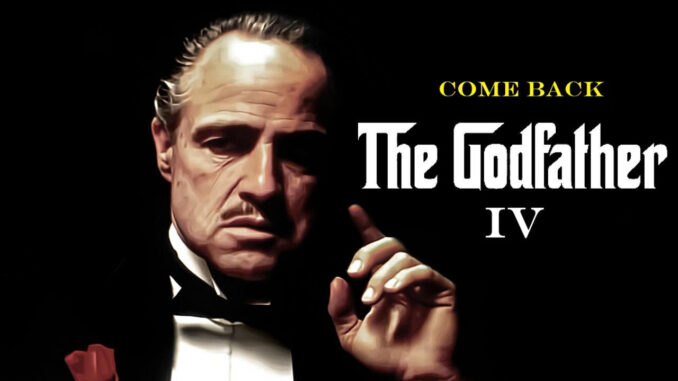
In the end, The Godfather does not conclude like a typical story. It doesn’t truly “end.” It simply… stops — leaving behind a heavy, lingering feeling that few films can ever erase.
Because this was never just a story about the mafia.
It is a story about human nature.
From Vito Corleone — a man who builds power through patience and principle,
to Michael Corleone — the one who inherits it through cold calculation and ruthlessness,
the film draws a cycle that no one truly escapes.
What makes “The Godfather” so haunting is not the gunshots.
It is the realization that
every choice has a reason… and that is exactly what makes it dangerous.
Michael does not begin as a monster.
He becomes one — step by step, decision by decision, silence by silence.
And in the final moment, when the door closes — not only on Kay Adams,
but on the man Michael used to be — the audience understands something terrifying:
There are no real victories in this world.
Only trade-offs.
“The Godfather” does not teach you how to become powerful. 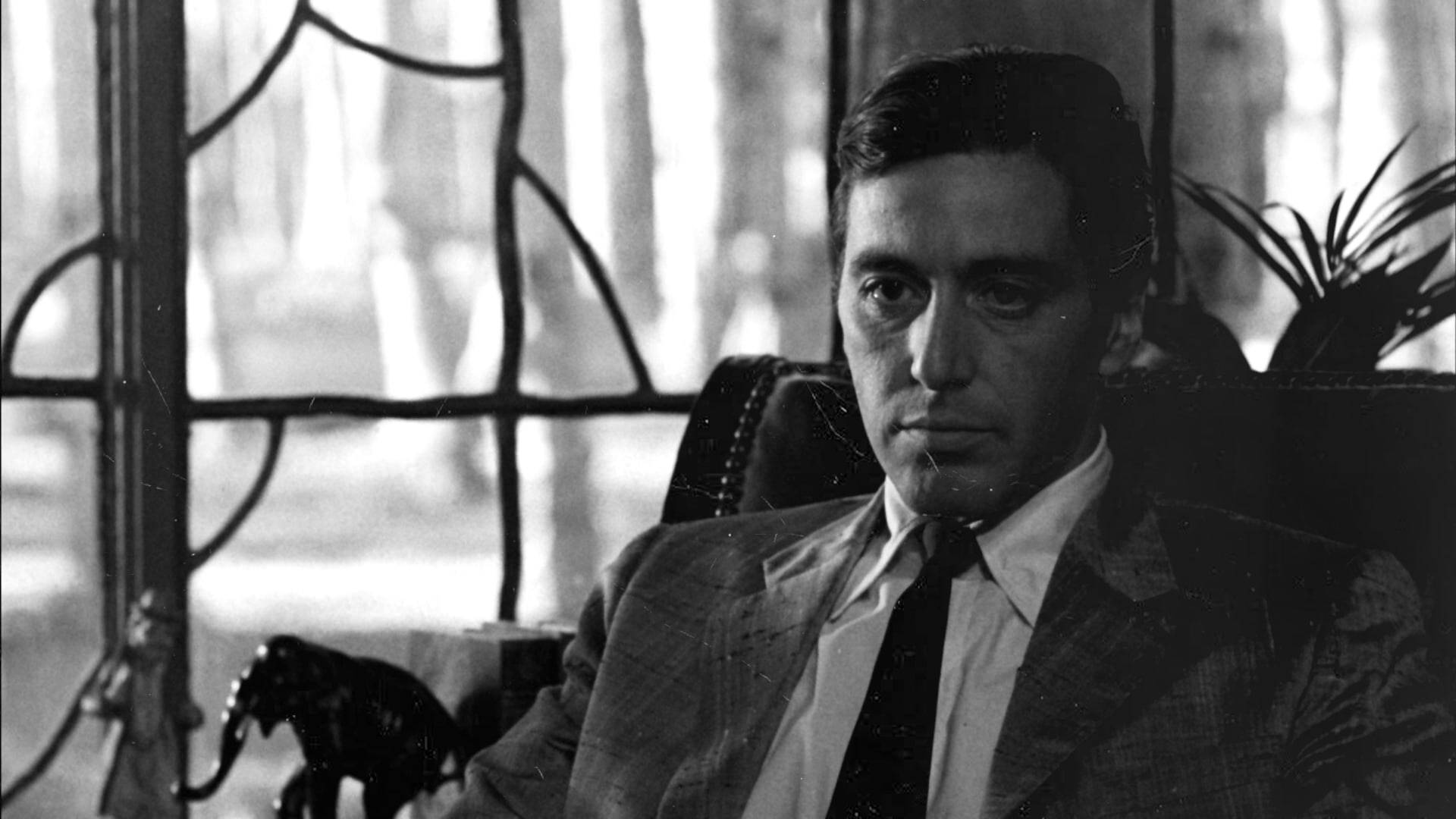
It shows you the cost of becoming powerful.
It does not glorify power.
It exposes it.
And that is why, no matter how many years pass, the film never feels outdated — because human nature never changes.
In a world where everyone wants control, wants to stand at the top, “The Godfather” leaves behind a question that is impossible to ignore:
If you had the chance to hold absolute power…
would you be willing to lose yourself to keep it?
This is not a film you simply watch and forget.
It is a story that stays — quiet, cold, and haunting.
And perhaps, that is what makes it legendary.