
What Is a “Ward” in Bridgerton Season 4? Here’s What the Term Hides About Sophie
When Bridgerton Season 4 introduces Sophie as a “ward,” it sounds polite. Harmless. Almost elegant.
But don’t let the softness of that word fool you.
In the glittering world of Regency balls and whispered scandals, “ward” isn’t just a label. It’s a social cage wrapped in silk ribbon. And for Sophie, that single word defines her power, her vulnerability, and her entire future.
So what exactly does “ward” mean in Bridgerton Season 4 — and why does it matter so much?
Let’s peel back the lace curtain.
The Historical Meaning of a “Ward” in Regency England
Before we dive into Sophie’s story, we need to step back into history.
In Regency-era England — the time period when Bridgerton is set — a “ward” was typically a minor placed under the legal protection of a guardian. This usually happened when:
-
A child lost one or both parents
-
An heir inherited property before reaching adulthood
-
A wealthy benefactor assumed financial responsibility
On paper, it sounds generous. Protective. Responsible.
But here’s the catch: a ward had limited autonomy.
The guardian controlled:
-
Finances
-
Living arrangements
-
Social exposure
-
Marriage prospects
In a society obsessed with status, that control meant everything.
Sophie’s Status — Protection or Imprisonment?
Sophie’s title as a “ward” might appear respectable at first glance. After all, she lives under the roof of privilege.
But ask yourself this: if someone controls your money, your future, and your marriage — are you protected, or are you owned?
In many Regency households, wards were treated kindly. In others, they were burdens. Unwanted responsibilities. Social inconveniences.
For Sophie, the term “ward” becomes a velvet disguise for something much harser: dependency without power.
The Social Politics Behind the Word “Ward”
Regency society ran on rules. And those rules were brutal.
A ward occupied an awkward middle space:
-
Not quite family
-
Not quite servant
-
Not fully independent
Imagine standing in a ballroom where you belong everywhere and nowhere at once. That’s Sophie.
She can attend events — but only under supervision.
She can interact socially — but within limits.
She can dream — but not freely.
And in a world like Bridgerton’s, dreams are currency.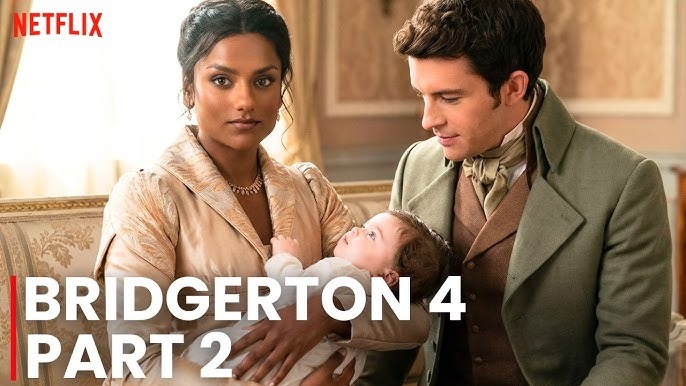
Why Sophie Isn’t Simply a Dependent Girl
If you’ve followed the Bridgerton book series by Julia Quinn, you already know Sophie’s arc carries deeper layers.
She isn’t merely a passive ward waiting for rescue.
She’s intelligent. Observant. Quietly rebellious.
Her “ward” status actually intensifies her inner strength. When someone grows up with restrictions, they develop sharp instincts. They read rooms. They calculate risks.
Sophie doesn’t just survive the system — she studies it.
The Gender Power Dynamic at Play
Let’s be honest: the term “ward” hits differently when applied to women.
In Regency England, men inherited power. Women inherited expectations.
A male ward might eventually control estates.
A female ward? Her “future” was often reduced to marriage negotiations.
So when Sophie is labeled a ward, it signals something very specific: her fate may be decided in drawing rooms, not by her own voice.
That’s not protection. That’s patriarchy in polite packaging.
Marriage as a Transaction
In Bridgerton, marriage isn’t just romance. It’s strategy.
Guardians often arranged matches that:
-
Strengthened alliances
-
Increased wealth
-
Secured reputation
A ward’s consent? Optional.
This tension fuels Sophie’s storyline. Because love — real love — threatens the very system that keeps her dependent.
Why the Word “Ward” Feels So Dangerous in Season 4
Season 4 focuses on romance, yes. But beneath the waltzes and whispered confessions lies a bigger theme: identity.
Sophie’s label defines how others see her before she even speaks.
Think about it.
If society introduces you as “the ward,” what assumptions follow?
-
She’s financially dependent.
-
She’s socially inferior.
-
She’s under supervision.
That perception shapes every interaction.
And perception, in the Ton, is everything.
Reputation Is Currency
In the world of Bridgerton, reputation spreads faster than gossip.
One scandal can ruin a family.
For a ward like Sophie, the stakes are even higher. She doesn’t have a powerful surname to shield her. She doesn’t control her narrative.
She must tread carefully — like walking across a frozen lake, never sure where the ice might crack.
The Hidden Class Commentary in Sophie’s Story
Here’s where things get really interesting.
The term “ward” exposes the illusion of social mobility in Regency England.
Sophie may live among the elite, but she doesn’t truly belong to them.
It’s like being invited backstage at a grand opera but never allowed to sing.
Through Sophie, Season 4 quietly critiques the rigid hierarchy of the era. It asks:
Who decides who belongs?
Who defines legitimacy?
Who holds the power to grant or deny freedom?
And the answers aren’t comfortable.
The Emotional Toll of Being a Ward
We often focus on legal definitions. But what about emotional consequences?
Imagine growing up knowing:
-
Your home isn’t truly yours
-
Your future isn’t entirely yours
-
Your identity depends on someone else’s goodwill
That kind of uncertainty shapes a person.
Sophie learns to adapt. To observe. To survive quietly.
But survival isn’t the same as freedom.
How “Ward” Connects to Sophie’s Cinderella-Like Arc
Longtime fans of Julia Quinn know Sophie’s story carries strong Cinderella echoes.
A young woman. Limited status. Hidden worth.
The “ward” label becomes the modern Regency equivalent of “stepdaughter in the attic.”
It keeps her close enough to privilege to see it — but far enough to never fully grasp it.
Until something changes.
Love as Liberation
Season 4 doesn’t just offer romance. It offers transformation.
When someone sees Sophie beyond her title — beyond “ward” — they restore her agency.
Love becomes more than affection. It becomes recognition.
And recognition is powerful.
Because once someone sees your worth, you start to see it too.
Why the Writers Chose This Specific Word
Language matters.
The writers of Bridgerton could have used “companion,” “distant relative,” or “dependent.”
They chose “ward.”
Why?
Because it signals legal control. Social vulnerability. Narrative tension.
It plants a seed of imbalance — and imbalance drives drama.
A Single Word, A Thousand Implications
“Ward” sounds gentle.
But underneath, it implies:
-
Power hierarchy
-
Social precarity
-
Emotional isolation
-
Restricted autonomy
It’s subtle storytelling at its finest.
The Modern Relevance of Sophie’s Struggle
You might think this is just Regency drama.
But look closer.
How many people today live under financial dependency?
How many relationships involve unequal power?
How many identities are shaped by labels given by others?
Sophie’s story resonates because it’s timeless.
The costumes change. The corsets disappear. The power dynamics? Not so much.
What “Ward” Ultimately Reveals About Sophie
At its core, the term reveals three crucial truths:
-
She exists in a fragile social position.
-
She has limited institutional power.
-
Her greatest strength lies within herself.
The word that seems to diminish her actually highlights her resilience.
Like a diamond under pressure, Sophie’s constraints make her sharper.
Conclusion: A Polite Word That Hides a Powerful Story
In Bridgerton Season 4, the word “ward” isn’t decorative. It’s deliberate.
It represents:
-
Legal guardianship
-
Social vulnerability
-
Gender imbalance
-
Hidden strength
For Sophie, it’s both a limitation and a catalyst.
Because sometimes the smallest words carry the heaviest weight.
And sometimes the girl introduced as “just a ward” becomes the woman who rewrites her own destiny.