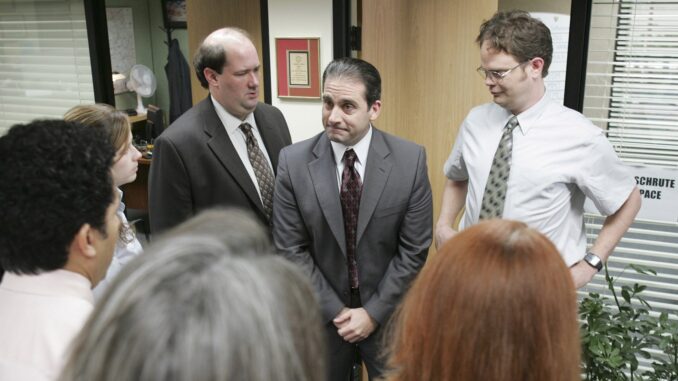
Life After Dunder Mifflin – What Really Happened When The Office Ended?
When The Office aired its final episode in 2013, fans felt like they were saying goodbye to real coworkers. For nine seasons, we lived inside Dunder Mifflin. We cringed at awkward meetings, laughed at pranks, and maybe—just maybe—saw a little of ourselves in those gray cubicles.
But what happened when the cameras shut down?
Did the cast stay close? Did their careers soar or stall? Were there behind-the-scenes tensions we never knew about?
Let’s pull back the curtain and explore the untold truth about where the cast landed after Scranton faded to black.
Steve Carell – Escaping the Shadow of Michael Scott
From Regional Manager to Hollywood Heavyweight
When Steve Carell left the show in Season 7, many believed The Office would collapse. After all, Michael Scott was the beating, awkward heart of the series.
But Carell didn’t disappear. He evolved.
He shifted from slapstick comedy to dramatic depth in films like Foxcatcher, The Big Short, and Beautiful Boy. Instead of clinging to Michael Scott’s legacy, he expanded his range. It was a risky move—but it paid off.
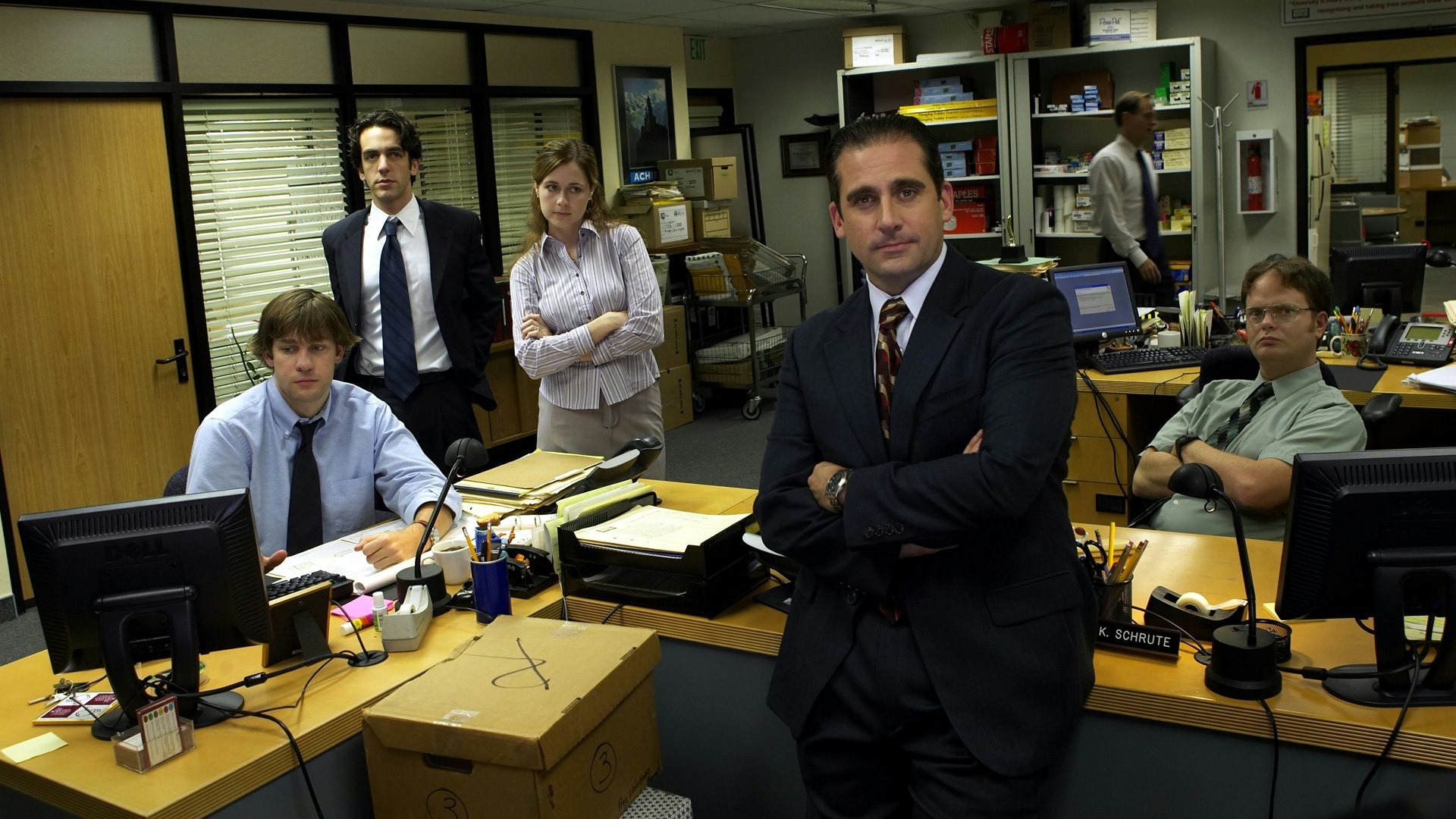
Was There Bad Blood?
Rumors swirled about why Carell left. Network politics? Contract disputes? The truth appears simpler: he was ready to grow. And sometimes, growth means leaving the comfort zone—even if that comfort zone is Scranton.
John Krasinski – From Jim Halpert to Action Star
Reinventing the Nice Guy
John Krasinski was once best known for smirking at the camera. Jim Halpert was charming, witty, and just rebellious enough to keep things interesting.
But post-Office, Krasinski bulked up—literally.
He transformed into an action hero in 13 Hours and later headlined the hit series Jack Ryan. Then came A Quiet Place, which he directed and starred in, proving he wasn’t just the office prankster.
The Power Couple Factor
Marriage to Emily Blunt didn’t hurt either. Together, they became one of Hollywood’s most respected couples. Krasinski didn’t just survive after The Office—he thrived.
Jenna Fischer – Pam Beesly’s Quiet Reinvention
Staying Grounded in Hollywood
Jenna Fischer didn’t chase blockbuster fame. Instead, she chose steady work, smaller roles, and meaningful projects.
She also co-hosts the wildly popular Office Ladies podcast with her former co-star, giving fans behind-the-scenes stories they crave.
Embracing the Legacy
Unlike some actors who try to distance themselves from breakout roles, Fischer embraces Pam. And honestly? That authenticity keeps fans loyal.
Rainn Wilson – More Than Dwight Schrute
Breaking Typecasting
Rainn Wilson faced a challenge: how do you escape a character as iconic as Dwight?
Instead of running from it, he leaned into his quirky persona while expanding into producing, writing, and activism. He founded media company SoulPancake, focusing on uplifting content.
Spiritual and Creative Growth
Wilson has spoken openly about spirituality and purpose. Fame didn’t define him—growth did.
Mindy Kaling – The True Breakout Mogul
From Writer’s Room to Empire Builder
Mindy Kaling may be the show’s biggest post-Office success story.
She created and starred in The Mindy Project, then went on to produce hits like Never Have I Ever. Behind the scenes, she became a powerhouse producer shaping modern comedy.
Redefining Representation in Hollywood
Kaling didn’t just build a career—she changed the narrative for women of color in television.
That’s not just success. That’s influence.
B.J. Novak – The Quiet Architect
B. J. Novak stepped into writing and directing, staying largely behind the camera. His projects reflect intelligence and subtle humor—the same DNA that made The Office shine.
Sometimes, the real power isn’t in the spotlight. It’s in shaping it.
Ed Helms – Finding His Post-Andy Groove
Ed Helms balanced film work, including The Hangover trilogy, with voice acting and producing.
Was he forever Andy Bernard? Maybe in memes. But Helms carved a respectable, steady career that keeps him visible.
Ellie Kemper – From Receptionist to Leading Lady
Ellie Kemper found fresh fame with Unbreakable Kimmy Schmidt. Her brand of optimistic humor translated seamlessly beyond Scranton.
Some actors plateau after a hit show. Kemper leveled up.
The Cast’s Real-Life Friendships – Fact or Fiction?
Here’s the truth: many cast members remain close.
Podcasts, reunions, and social media interactions reveal genuine bonds. But Hollywood is complicated. Not every friendship survived unchanged.
Workplace families sometimes drift apart. That’s life.
Financial Success – Who Made the Most?
By the later seasons, the main cast earned significant salaries per episode. Syndication deals and streaming residuals continue to generate income.
Netflix and later Peacock boosted the show’s second life, introducing new generations to Dunder Mifflin—and padding royalty checks.
The show didn’t just age well. It exploded.
The Streaming Revival Effect
When The Office hit streaming platforms, it became comfort food television. Pandemic binge-watching reignited global obsession.
Suddenly, the cast wasn’t just nostalgic—they were trending again.
Behind-the-Scenes Tensions You Didn’t See
Every long-running series has friction. Creative differences. Contract negotiations. Personality clashes.
Yet compared to many shows, The Office maintained a surprisingly positive environment. Cast interviews consistently describe collaboration over chaos.
That’s rare in Hollywood.
The Reboot Rumors – Will They Return?
Reboot whispers surface every year.
While nothing official has materialized, fan demand remains sky-high. Nostalgia is powerful—but timing matters.
Would a revival feel magical… or forced?
Why The Office Cast Still Matters Today
More than a sitcom, The Office became a cultural language. GIFs, memes, quotes—Michael Scott’s awkward wisdom lives online daily.
And the cast? They represent an era of television before algorithms dictated creativity.
They feel real. And that’s why we still care.
The Emotional Legacy – More Than Just a Comedy
For many fans, The Office wasn’t just background noise. It was comfort during hard seasons of life.
Breakups. Job stress. Loneliness.
Scranton felt like home.
And that emotional connection continues to fuel interest in the cast long after the finale.
Conclusion: The Cameras Stopped, But the Story Didn’t
When The Office ended, it didn’t mark a finish line. It marked a pivot.
Some cast members chased blockbuster fame. Others built empires behind the scenes. A few stepped quietly into personal growth away from Hollywood’s glare.
But here’s the untold truth: none of them are just their characters.
They evolved.
And in many ways, that’s the most inspiring sequel of all.