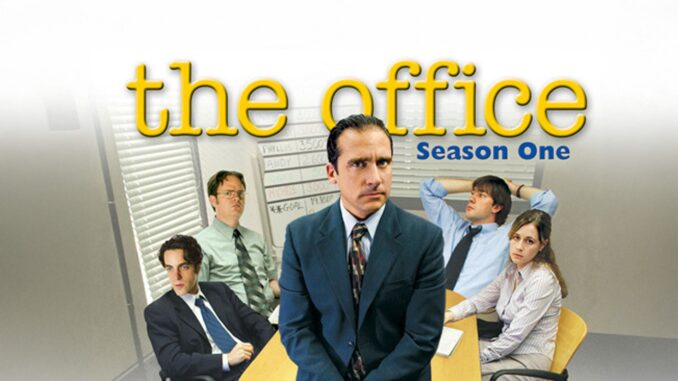
How the TV Mockumentary Has ‘Become the Modern Laugh Track’
Television comedy has changed—quietly, subtly, and completely. Once upon a time, sitcoms told you when to laugh. A burst of canned laughter followed every punchline, like a friendly nudge saying, “Hey, that was funny.”
Today? The laughter is gone. The studio audience is silent. And somehow… comedy has never felt smarter.
Welcome to the age of the TV mockumentary—the genre that didn’t just evolve comedy, but replaced the laugh track entirely.
Let’s talk about how awkward pauses, side-eye glances, and deadpan confessionals became the modern laugh track, and why audiences wouldn’t have it any other way.
The Death of the Traditional Laugh Track
What Was the Laugh Track, Really?
For decades, laugh tracks were the backbone of sitcom comedy. Shows like Friends, Seinfeld, and The Big Bang Theory relied on them to:
-
Signal jokes
-
Pace scenes
-
Validate humor
It was comedy with training wheels. And for a long time, it worked.
Why Laugh Tracks Started Feeling Outdated
Eventually, audiences grew… tired. Laugh tracks began to feel:
-
Forced
-
Artificial
-
Distracting
Instead of enhancing jokes, they started interrupting them. Comedy fans wanted to discover humor, not be spoon-fed punchlines.
And that’s when mockumentaries stepped in.
What Is a TV Mockumentary, Anyway?
A Comedy That Pretends It’s a Documentary
Mockumentaries mimic the style of documentaries—handheld cameras, talking-head interviews, awkward realism—but with fictional characters and exaggerated situations.
Think:
-
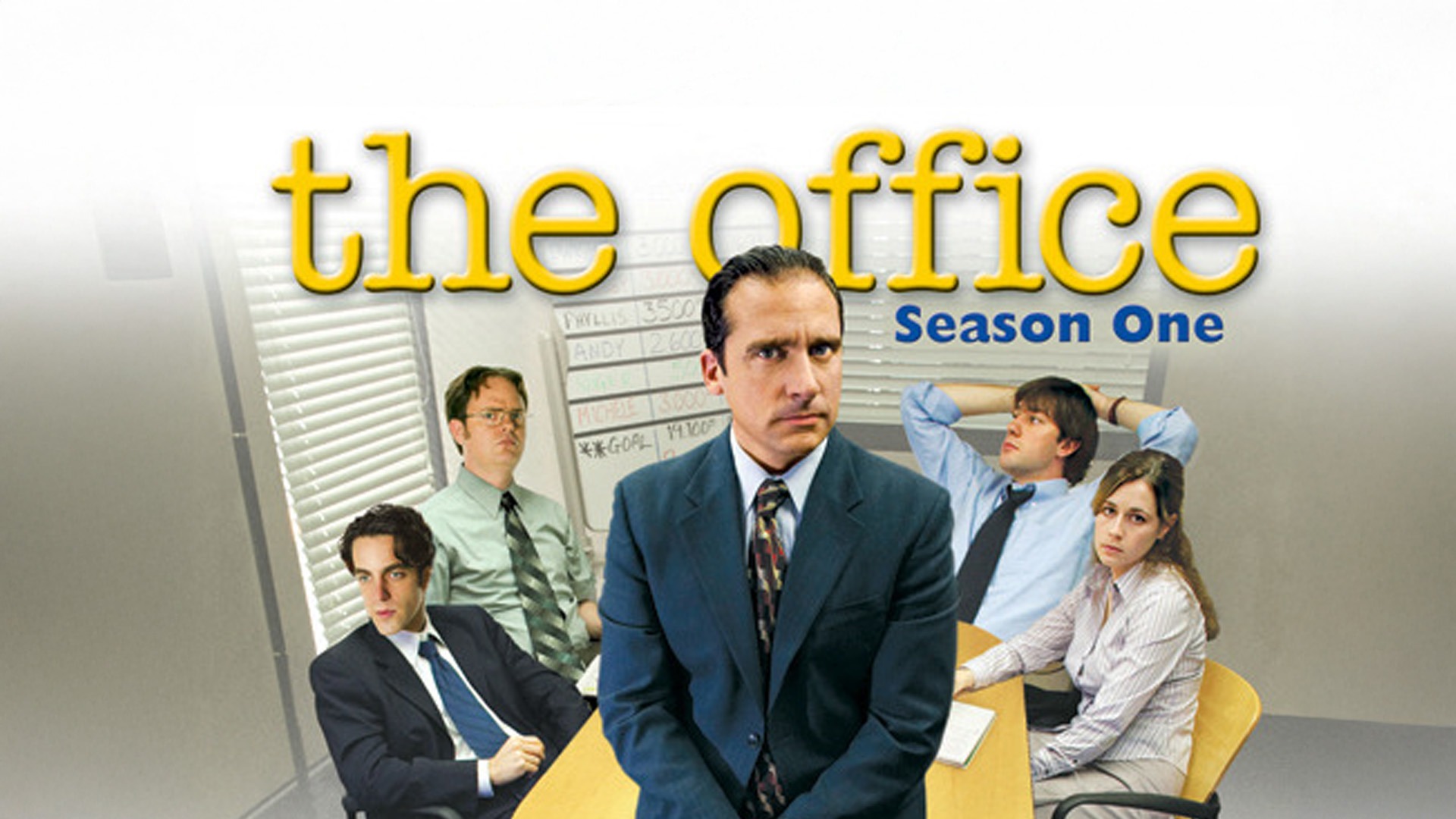
The Office
-
Parks and Recreation
-
Modern Family
-
Abbott Elementary
-
What We Do in the Shadows
 Why the Format Feels So Real
Mockumentaries work because they blur the line between fiction and reality. The camera feels like a silent witness, not a performer.
And that realism? It’s comedy gold.
How Mockumentaries Replace the Laugh Track
The Camera Becomes the Cue
Instead of canned laughter, mockumentaries rely on:
-
Long pauses
-
Awkward silences
-
Meaningful looks at the camera
That glance Jim gives in The Office? That’s the laugh track.
The dead stare from Leslie Knope’s coworkers? Same thing.
The Audience Feels In on the Joke
Mockumentaries invite viewers to laugh with the show, not at it. You’re not told when something is funny—you figure it out yourself.
And honestly? That feels way more satisfying.
The Power of Awkward Silence
Why Silence Is Funnier Than Noise
Silence creates tension. Tension creates comedy.
When a character says something ridiculous and the room just… sits with it? That’s where the laugh happens—in your head.
Cringe Comedy Thrives Without Laugh Tracks
Mockumentaries mastered cringe humor:
-
Michael Scott’s speeches
-
David Brent’s ego
-
Phil Dunphy’s dad jokes
The humor lands harder because no one rescues it with laughter.
The Rise of Smart, Self-Aware Comedy
Mockumentaries Trust the Viewer
These shows assume the audience is intelligent enough to:
-
Catch irony
-
Understand subtext
-
Appreciate subtlety
That trust builds a deeper connection.
Comedy That Rewards Attention
Miss a facial expression? You miss the joke.
Ignore background dialogue? You lose half the humor.
Mockumentaries reward viewers who pay attention—and modern audiences love that.
The Confessional: Comedy’s Secret Weapon
Talking Heads Replace Punchlines
Instead of a rimshot or laugh track, mockumentaries use confessionals:
-
Characters explain themselves
-
Reveal inner thoughts
-
Contradict what just happened
The result? Instant irony.
Why Confessionals Feel Intimate
It feels like the character is whispering directly to you. That intimacy replaces the collective laughter of a studio audience.
Why Modern Audiences Prefer This Style
Streaming Changed How We Watch Comedy
Binge-watching made laugh tracks exhausting. Mockumentaries:
-
Flow naturally
-
Feel quieter
-
Work better back-to-back
They’re designed for modern viewing habits.
Social Media Loves Mockumentary Humor
Reaction GIFs. Side-eye clips. Silent stares.
Mockumentary moments are made for viral sharing.
Mockumentaries Reflect Real Life Better
Real Life Doesn’t Have a Laugh Track
In real life:
-
Jokes fall flat
-
Awkward moments linger
-
People don’t know when to stop talking
Mockumentaries capture that perfectly.
Relatability Equals Longevity
That’s why these shows age so well. They feel timeless because human awkwardness never goes out of style.
From Sitcoms to Social Commentary
Comedy With Something to Say
Many mockumentaries go beyond jokes:
-
Abbott Elementary tackles education
-
Parks and Rec explores local politics
-
The Office critiques corporate culture
The humor hits harder because it’s grounded in reality.
Why Laugh Tracks Now Feel Distracting
Once You Notice Them, You Can’t Unhear Them
Watch a traditional sitcom today and the laugh track feels… loud. Almost intrusive.
Mockumentaries retrained our ears. Silence now feels normal.
Is the Laugh Track Officially Dead?
Not Completely—But It’s on Life Support
Multi-camera sitcoms still exist, but they feel nostalgic rather than modern.
Mockumentaries dominate because they evolved with the audience.
The Future of Comedy Television
More Subtle, Less Obvious
Comedy is moving toward:
-
Natural dialogue
-
Character-driven humor
-
Emotional realism
Mockumentaries paved the way.
A Genre That Changed the Rules
They didn’t just remove the laugh track—they replaced it with something better.
Why Mockumentaries Are the Modern Laugh Track
They Let You Laugh When It Feels Right
No cues. No pressure. Just genuine humor.
And that’s the magic.
Conclusion: Silence Speaks Louder Than Laughter
The TV mockumentary didn’t just redefine comedy—it rewired how we experience it. By removing the laugh track, these shows handed the power back to the audience. The camera glance, the pause, the awkward silence—that’s where the laughter lives now.
In a world craving authenticity, mockumentaries feel honest, intimate, and endlessly rewatchable. And maybe that’s why they’ve become the modern laugh track: not louder, but smarter.
Sometimes, the funniest sound on TV… is silence.