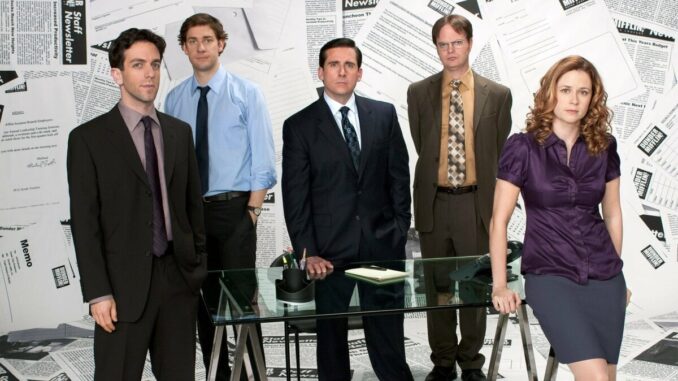
A New Chapter in The Office Universe
Something is brewing in Scranton — or at least in the minds of the people who built it. When Greg Daniels, the creative mastermind behind the American version of The Office, starts assembling a team, fans pay attention. And this time? It’s not for a simple reunion special. It’s for something bigger. A spinoff.
Yes, you read that right.
Daniels is reportedly gathering writers and producers to explore expanding the universe of one of the most beloved sitcoms in television history. But what does that really mean? A sequel? A reboot? A whole new branch of Dunder Mifflin? Let’s break it down.
Why Greg Daniels’ Move Matters
If anyone holds the blueprint to the magic of The Office (U.S. TV series), it’s Greg Daniels. After adapting the British original created by Ricky Gervais and Stephen Merchant, Daniels transformed a quirky UK mockumentary into a cultural juggernaut that defined American sitcoms for nearly a decade.
His resume speaks for itself — from Parks and Recreation to King of the Hill, Daniels knows how to build worlds that feel absurd and painfully real at the same time.
So when he assembles a team to “explore” a spinoff, that word carries weight.
The Legacy of The Office
More Than Just a Workplace Comedy
Let’s be honest. On paper, a show about paper sales doesn’t scream “must-watch TV.” But The Office became more than that. It turned awkward silences into comedy gold. It made us care about staplers in Jell-O. It convinced us that love can blossom next to a malfunctioning copier.
The characters felt like coworkers we loved — or barely tolerated. Michael Scott wasn’t just a boss. He was a walking contradiction: clueless yet heartfelt, cringeworthy yet lovable.
And that emotional authenticity? That’s hard to replicate.
What Could a Spinoff Look Like?
Option 1 — A New Office, Same Universe
One possibility is a fresh documentary crew following a different branch. Imagine Dunder Mifflin in a post-pandemic world. Hybrid meetings. Slack messages replacing sticky notes. Awkward Zoom calls.
The mockumentary format still works — maybe even better now.
Option 2 — A Character-Centered Spinoff
Could we follow a familiar face? Dwight running Schrute Farms full-time? A mockumentary about Creed’s mysterious past? The possibilities are endless.
But here’s the tricky part: fans are protective. If you bring back a beloved character without the right tone, it can feel forced.
Option 3 — A Spiritual Successor
This might be the smartest route. Not a direct continuation, but a show that captures the same DNA — workplace chaos, emotional vulnerability, and painfully awkward humor — without recycling characters.
Think evolution, not duplication.
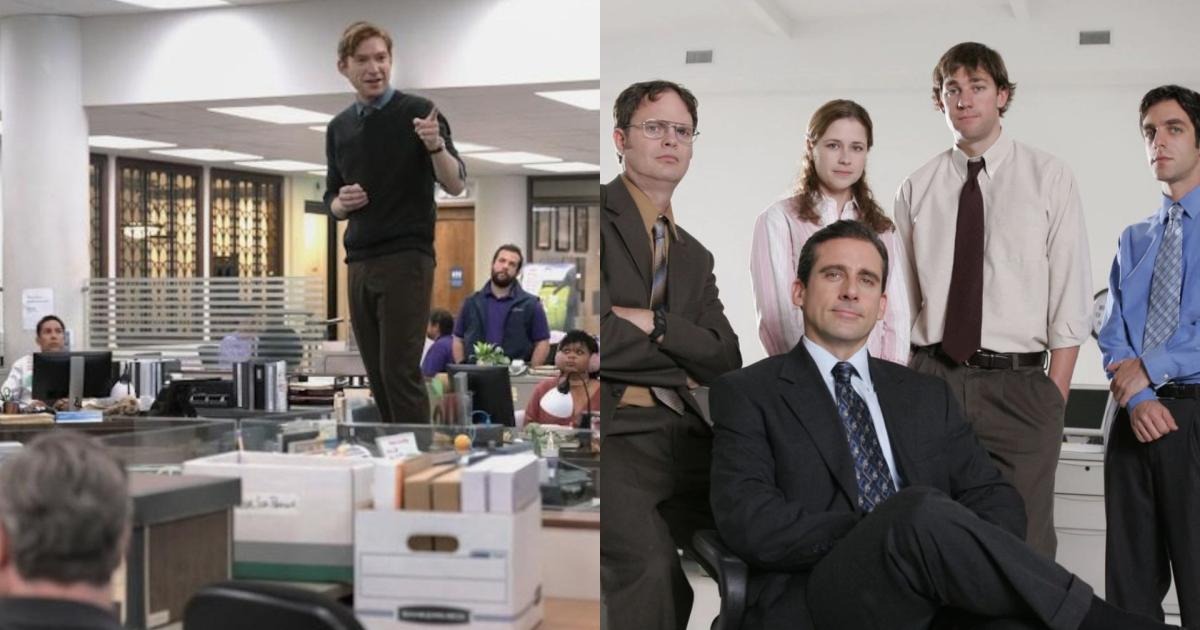
The Streaming Era Changes Everything
When The Office first aired on NBC, streaming wasn’t king. Today, platforms fight for nostalgia-driven hits like treasure hunters chasing gold.
The series found a second life on streaming, attracting younger viewers who quote Jim and Dwight like scripture. A spinoff now wouldn’t just ride nostalgia — it could tap into a whole new generation.
Timing matters. And right now? The timing feels right.
Why Fans Are Both Excited and Nervous
The Fear of Ruining a Classic
We’ve all seen it before. A beloved show returns… and falls flat. The balance between honoring the past and creating something fresh is delicate.
A spinoff must feel earned, not engineered.
The Power of Creative Control
The good news? Greg Daniels isn’t an outsider cashing in. He understands pacing. He understands awkward pauses. Most importantly, he understands heart.
If anyone can thread the needle, it’s him.
The Cultural Impact of The Office
Memes, GIFs, and Endless Rewatch Value
In the age of TikTok and Instagram, The Office never really left. It became meme currency. Reaction GIF royalty.
That kind of staying power is rare. It’s lightning in a bottle.
And Daniels knows it.
Building the Right Writers’ Room
Assembling a team doesn’t guarantee a show. It’s exploration. Brainstorming. Chemistry testing.
But this step is crucial.
The original show thrived because its writers blended sharp satire with emotional payoff. Any new team must capture that unpredictable rhythm — the burstiness of cringe followed by sincerity.
Think of it like jazz. Structured chaos.
The Challenge of Modern Comedy
Comedy has evolved. Audiences are sharper. Social awareness is higher. What worked in 2005 might not land the same way today.
So the question becomes: how do you keep the edge without losing charm?
A successful spinoff will need to balance modern workplace realities with timeless human awkwardness. Because let’s face it — offices change. People don’t.
The Business Side of Nostalgia
Networks love proven brands. It’s safer than launching something entirely new.
But here’s the paradox: nostalgia works only when it feels authentic.
If this spinoff exists solely as a brand extension, fans will sense it. But if it emerges from genuine creative curiosity? That’s different.
Could This Redefine the Workplace Sitcom Again?
When The Office premiered, it reshaped comedy with its mockumentary style. Shows like Modern Family followed the format wave.
A new iteration could redefine it once more — maybe blending documentary realism with digital-age absurdity.
Imagine confessionals recorded on smartphones. Slack threads turning into plot devices. Viral workplace scandals unfolding in real time.
The format is flexible. That’s its secret weapon.
Why Greg Daniels Is the X-Factor
Daniels doesn’t rush projects. He builds them carefully. His shows age well because they focus on human behavior, not trends.
He understands something crucial: comedy isn’t just punchlines. It’s tension. It’s vulnerability. It’s the pause before the camera zooms in.
That subtlety? That’s hard to fake.
The Emotional Core Must Remain
Romance and Friendship as the Backbone
Jim and Pam worked because they felt real. Dwight and Michael worked because their dysfunction hid genuine affection.
A spinoff must preserve that emotional heartbeat. Without it, you’re left with sketches, not stories.
Is This a Reboot, Revival, or Reinvention?
Let’s clarify terms.
A reboot resets.
A revival continues.
A reinvention evolves.
Everything points toward reinvention. Exploration suggests openness — not obligation.
And that’s promising.
What Happens Next?
Right now, the team-building stage means ideas are flying across whiteboards. Some will stick. Some will fade.
Nothing is guaranteed.
But the fact that serious creative energy is being invested? That’s not nothing.
It signals belief.
Conclusion: The Office Universe Isn’t Done Yet
So here we are — years after the final Dundie was handed out — and the door isn’t closed. Greg Daniels assembling a team to explore a spinoff isn’t just a headline. It’s a spark.
Will it become a full-fledged series? Maybe.
Will it live up to the original? That’s a tall order.
But is it worth exploring? Absolutely.
Because great stories don’t always end. Sometimes they evolve.
And if this next chapter captures even a fraction of the awkward brilliance, emotional depth, and cultural resonance of The Office, we might be heading back to a workplace we didn’t realize we still missed.