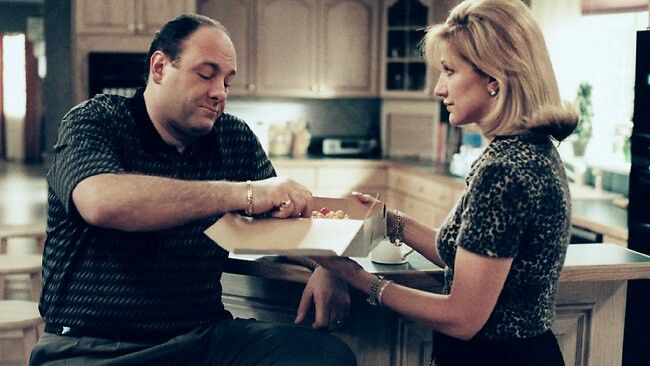
Tony Soprano and the Double Life We All Live
Introduction: More Than a Mob Boss
Tony Soprano is often remembered as one of television’s most iconic antiheroes—a ruthless mob boss navigating crime, power, and family. But beneath the violence and authority lies something far more relatable: a man trapped between who he truly is and who the world expects him to be.
This internal conflict is what makes The Sopranos timeless. Tony’s struggle is not just about organized crime—it’s about identity, pressure, and the universal human experience of living behind a mask.
The Concept of the “True Self” vs Social Role
In psychology, the idea of a “true self” represents our authentic thoughts, emotions, and desires. In contrast, social roles are the identities we perform to meet expectations—whether as a parent, leader, partner, or provider.
Tony Soprano embodies this tension perfectly.
- His true self: vulnerable, anxious, emotionally conflicted
- His social role: powerful, feared, emotionally controlled mob boss
The problem? These two identities are fundamentally incompatible.
Tony Soprano: Power on the Outside, Chaos Within
Externally, Tony is the definition of control. He commands respect, makes ruthless decisions, and maintains dominance in both his crime family and personal life.
Internally, however, he is anything but stable.
He experiences panic attacks, depression, and constant anxiety—symptoms of a mind overwhelmed by contradiction.
His therapy sessions with Dr. Melfi reveal the truth: Tony is not struggling because he is weak, but because he is trying to suppress who he really is.
The Pressure to Perform Masculinity
One of the most important aspects of Tony’s conflict is the pressure to conform to a rigid version of masculinity.
In his world:
- Vulnerability equals weakness
- Emotion equals liability
- Sensitivity equals danger
Tony’s true self includes empathy, fear, and emotional depth—but expressing these would threaten his authority. So he hides them.
This creates a psychological fracture: the more he performs strength, the more fragile he becomes inside.
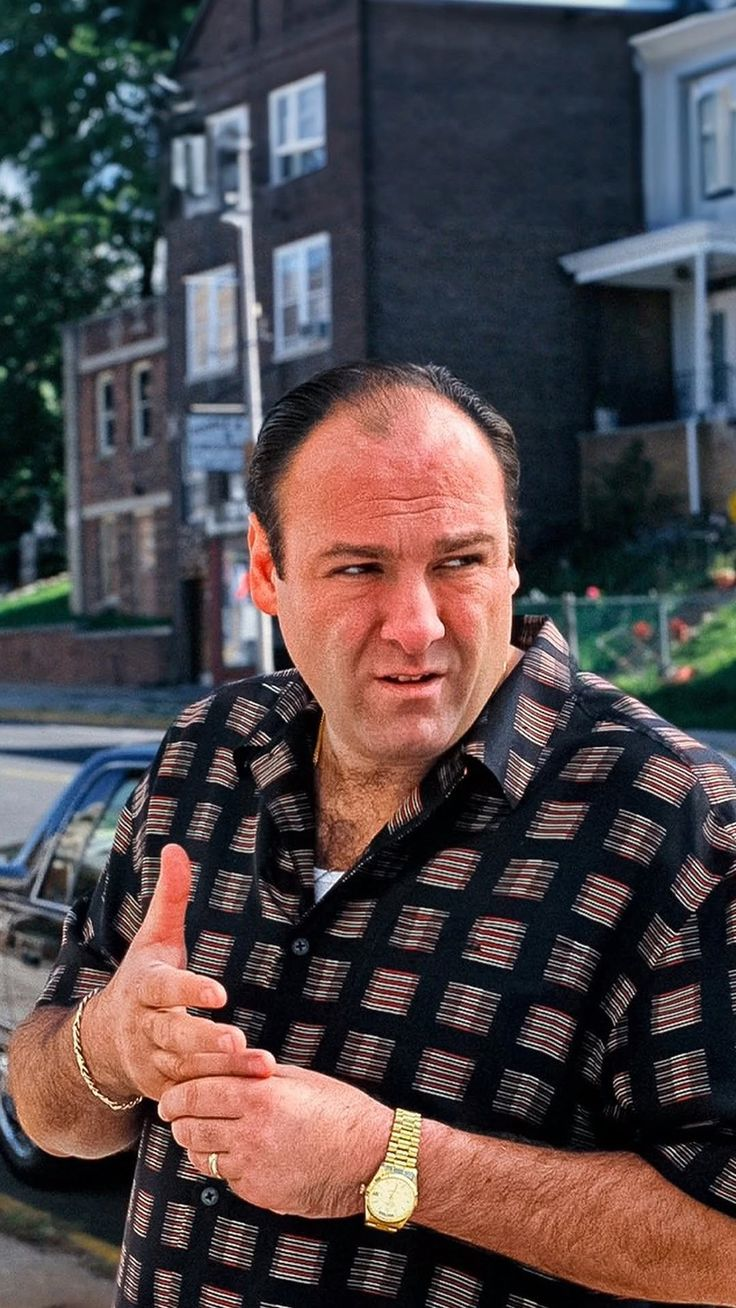
Family Life: Where the Mask Slips
At home, Tony attempts to play the role of a traditional father and husband. But even here, the tension persists.
He wants connection, yet struggles to communicate.
He seeks love, yet often resorts to control.
His children, especially Meadow and AJ, expose the cracks in his identity. They represent a world outside his constructed persona—a world where authenticity matters more than power.
Therapy as a Battlefield of Identity
Tony’s sessions with Dr. Melfi are not just plot devices—they are the core of his character.
In therapy, Tony briefly steps out of his social role. He becomes:
- Honest
- Confused
- Emotionally exposed
But this freedom is temporary. Once he leaves the room, he must return to being “Tony Soprano,” the mob boss.
This back-and-forth highlights the central tragedy: Tony is aware of his true self, but cannot live as it.
Why Tony’s Struggle Feels So Familiar
Most people are not mob bosses—but almost everyone understands the pressure to perform.
We all play roles:
- The successful professional
- The reliable friend
- The strong family member
And like Tony, we often hide parts of ourselves to maintain these roles.
The difference is scale, not substance. Tony’s world amplifies what many experience quietly: the exhaustion of being someone you’re not.
The Cost of Living a Double Life
Tony’s inability to reconcile his identities comes at a cost:
- Emotional instability
- Broken relationships
- Persistent dissatisfaction
No amount of power or wealth can resolve an internal conflict left unaddressed.
His story suggests a difficult truth: ignoring your true self doesn’t eliminate it—it intensifies it.
What We Can Learn from Tony Soprano
Tony’s life is not a guide—but it is a warning.
His journey teaches us:
- Self-awareness is not enough without action
- Suppressing emotions leads to deeper conflict
- Authenticity, while risky, is necessary for peace
The real tragedy of Tony Soprano is not his criminal life—it’s that he never fully becomes who he already knows he is.
Conclusion: The Battle Within Us All
Tony Soprano’s story resonates because it reflects a universal struggle. The tension between authenticity and expectation is something nearly everyone faces.
We may not live in his world, but we recognize his conflict.
In the end, Tony Soprano is not just a character—he is a mirror. And the question his story leaves us with is simple, yet uncomfortable:
Are we living as our true selves, or just playing the roles assigned to us?