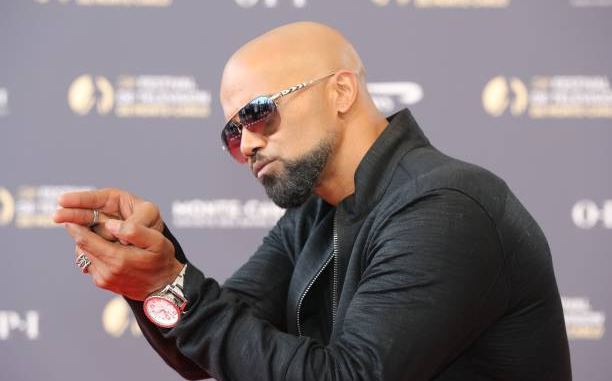
Is Shemar Moore’s Real Life Similar to Hondo’s on S.W.A.T.?
When you watch S.W.A.T., it’s hard not to see authenticity in Hondo. The leadership feels natural. The intensity feels grounded. The loyalty feels real.
So the question almost asks itself: is Shemar Moore actually similar to Daniel “Hondo” Harrelson in real life?
Or is that powerful presence just world-class acting?
Let’s break it down — personality, values, leadership style, background, and real-world lifestyle — and see where fiction overlaps with reality.
Who Is Hondo, Really?
The Character at the Center of S.W.A.T.
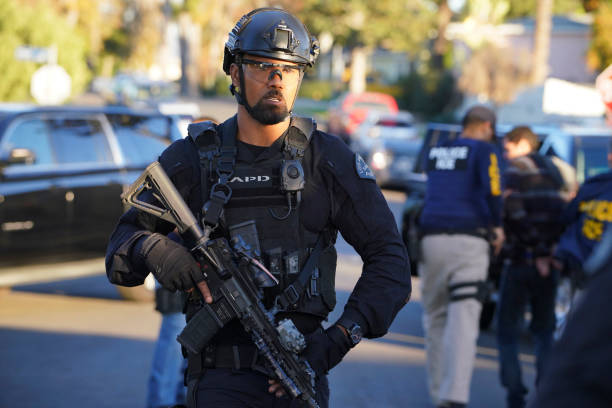
Hondo is a former Marine turned LAPD S.W.A.T. sergeant. He’s disciplined, morally driven, community-conscious, and fiercely protective of his team.
He’s not just tactical muscle. He’s the emotional anchor. The bridge between law enforcement and the community. The steady hand in chaos.
That combination of authority and empathy defines him.
But does Shemar Moore embody those traits off-screen?
Shemar Moore’s Background: Not Military, But Disciplined
Different Career Path, Similar Work Ethic
Unlike Hondo, Moore does not have a military or law enforcement background. He built his career through modeling and acting, rising to fame on The Young and the Restless and later Criminal Minds.
However, colleagues consistently describe Moore as highly disciplined and intensely committed to physical training — a trait that mirrors Hondo’s professional rigor.
The source differs. The discipline aligns.
Leadership Qualities: Fiction vs. Reality
Hondo the Leader
On-screen, Hondo commands respect. He leads by example. He steps in first and steps back last.
Moore the Set Leader
Behind the scenes, cast interviews frequently describe Moore as energetic, protective, and motivating. He champions crew morale and often acts as the vocal advocate for the series during public negotiations.
Different battlefield. Similar leadership instinct.
Shared Sense of Responsibility
One of Hondo’s defining traits is responsibility — toward his team and community.
Moore, in real life, often speaks publicly about representation, social responsibility, and honoring his mother’s legacy. He carries himself with visible pride and accountability in interviews.
The contexts differ. The value system feels aligned.
Physical Presence and Confidence
Commanding Energy
Hondo’s presence fills the screen. That authority partly stems from Moore’s physical confidence.
Moore invests heavily in fitness training. His dedication to staying in elite condition parallels Hondo’s tactical readiness.
It’s not coincidence. It’s commitment.
Emotional Transparency
Hondo occasionally reveals vulnerability — particularly regarding race, loyalty conflicts, and personal sacrifice.
Moore, off-screen, speaks openly about personal loss, emotional growth, and fatherhood. That openness adds dimension to his public persona.
Authenticity often translates more easily when actors allow emotional access.
Family Values and Personal Loyalty
Hondo’s Moral Compass
Hondo frequently prioritizes integrity over convenience. His decisions often hinge on protecting those he loves.
Moore’s Real-Life Priorities
In interviews, Moore emphasizes family loyalty and personal growth. Becoming a father marked a major turning point in his life narrative.
The specifics differ. The emotional core — devotion — overlaps.
Community Awareness and Representation
Hondo’s character addresses systemic tension between law enforcement and marginalized communities. He stands as a bridge figure.
Moore has publicly discussed the importance of portraying a strong, multidimensional Black lead character in a procedural drama.
That conscious awareness suggests he doesn’t just play Hondo — he understands the cultural weight of the role.
Temperament: Calm Strategist or High-Energy Performer?
Here’s where differences become clearer.
Hondo is measured, controlled, almost stoic in high-pressure moments.
Moore, by contrast, radiates visible charisma and expressive enthusiasm in interviews. He laughs easily. He jokes. He thrives on energy exchange.
On-screen restraint. Off-screen exuberance.
Professional Risk-Taking
Hondo takes physical risks.
Moore takes career risks.
Leaving long-running shows like Criminal Minds required confidence and strategic courage. Choosing to lead S.W.A.T. meant stepping into a demanding action-driven franchise.
Different stakes. Similar boldness.
Training for Authenticity
Moore undergoes tactical and weapons training for realism. He studies law enforcement procedures to maintain credibility.
That effort suggests respect for the role — not casual performance.
While he’s not an officer, he commits to understanding the world Hondo inhabits.
Public Advocacy During Cancellation Scares
When S.W.A.T. faced cancellation turbulence, Moore publicly advocated for renewal.
That protective instinct mirrored Hondo’s fictional loyalty to his team.
Was it marketing? Possibly.
Was it also personal investment? Absolutely.
The Myth of Actor Equals Character
It’s important not to blur fiction and reality entirely.
Actors interpret characters. They don’t become them.
Moore’s life doesn’t involve daily tactical missions. He doesn’t lead an LAPD unit. He doesn’t navigate real-world hostage crises.
But emotional parallels can still exist without identical circumstances.
Charisma vs. Authority
Hondo projects quiet authority.
Moore projects magnetic charisma.
Both command attention — just through different frequencies.
One leads through calm steadiness. The other through vibrant energy.
The Role of Performance Craft
Acting requires emotional substitution — drawing on personal experiences to simulate fictional stakes.
Moore’s authenticity likely stems from internal emotional recall rather than literal life parallels.
In other words, he may not live like Hondo, but he understands the emotional architecture required to portray him convincingly.
Public Image vs. Private Identity
Celebrities operate within curated public narratives. Moore’s social media presence showcases fitness, humor, and fatherhood pride.
Hondo’s fictional life showcases tactical professionalism and community navigation.
Overlap exists in values. Lifestyle diverges in reality.

Why Fans Sense Similarity
Viewers often conflate actors with roles when performance feels seamless.
Moore’s natural confidence makes Hondo believable. That believability encourages projection: “He must be like that in real life.”
In truth, authenticity on screen doesn’t require identical biography — only emotional truth.
So, Is Shemar Moore Like Hondo?
Yes and no.
He shares:
-
Leadership energy
-
Discipline
-
Commitment to representation
-
Loyalty-driven mindset
-
Strong moral framing
He differs in:
-
Professional background
-
Daily risk exposure
-
Personality expression style
The overlap lies in character foundation, not circumstance.
Conclusion: Similar Spirit, Different Battlefield
Shemar Moore does not live Hondo’s tactical life. He’s not leading real-world S.W.A.T. operations.
But he shares key traits — discipline, leadership, loyalty, and public responsibility — that give his portrayal weight.
That’s why the performance resonates. It doesn’t feel forced. It feels rooted.
Moore brings himself to the role, and Hondo becomes more than scripted dialogue. He becomes layered, grounded, believable.
Similarity isn’t about identical careers.
It’s about shared values.
And in that sense, yes — the spirit aligns.
FAQs
1. Did Shemar Moore ever serve in the military?
No, Moore does not have a military background. His expertise comes from acting preparation and professional training for the role.
2. Does Shemar Moore perform his own stunts?
He performs some physical sequences but also works with stunt professionals for high-risk action scenes.
3. Is Hondo based on a real person?
Hondo is a fictional character, though inspired by real-world tactical leadership roles.
4. Has Moore spoken about connecting personally to Hondo?
Yes, he has discussed relating to the character’s sense of responsibility and cultural representation.
5. Why do fans often confuse actors with their characters?
Strong performances create emotional immersion, which can blur the line between fiction and reality for audiences.