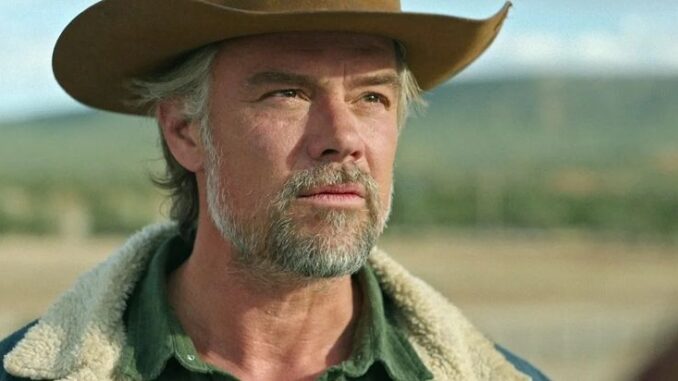
Few modern Western dramas have managed to stir emotions as intensely as Ransom Canyon. Set against a rugged Texas backdrop, the series doesn’t just rely on sweeping landscapes and simmering rivalries — it hooks viewers through deeply flawed, painfully human relationships. Love, loyalty, betrayal, and unresolved trauma intertwine in ways that make fans feel torn between sympathy and outright frustration.
In this article, we’ll break down why the relationships in Ransom Canyon provoke such strong reactions, which dynamics resonated most with viewers, and how emotional complexity became one of the show’s greatest strengths.
Why Ransom Canyon’s Relationships Hit So Hard
At its core, Ransom Canyon is not simply a Western romance or family drama. It is a story about people trapped between who they were, who they want to be, and what their environment demands of them.
The relationships feel real because they are:
-
Emotionally messy
-
Fueled by unspoken history
-
Built on love that often turns into control or resentment
Instead of clean resolutions, the show leans into emotional gray areas, forcing audiences to empathize with characters even when their decisions feel infuriating.
Staten Kirkland and Quinn O’Grady: Love That Hurts More Than It Heals
One of the most talked-about dynamics centers on Staten Kirkland and Quinn O’Grady. Their relationship is the emotional backbone of the series — and also one of its most frustrating.
Staten is portrayed as a man weighed down by loss, pride, and responsibility. Quinn, on the other hand, represents hope, escape, and emotional honesty. On paper, they should work. In reality, they keep missing each other at every crucial moment.
Fans felt deep sympathy for:
-
Staten’s unresolved grief
-
Quinn’s constant emotional compromise
But that sympathy quickly turned into anger when:
-
Staten repeatedly shut Quinn out instead of communicating
-
Quinn stayed longer than she should have, sacrificing her own growth
This push-and-pull dynamic mirrors real-life relationships where love exists, but timing and emotional maturity don’t align — making it painfully relatable.
The Kirkland Family: Blood Ties and Buried Resentment
Family relationships in Ransom Canyon are anything but comforting. The Kirklands embody generational trauma, where emotional distance is inherited rather than chosen.
Viewers were torn because:
-
Characters clearly loved each other
-
Yet consistently failed to show it in healthy ways
Moments meant to bring the family closer often ended in cold silences or explosive confrontations. Fans sympathized with characters trying to protect the ranch and family legacy, but grew angry when pride and stubbornness replaced empathy.
This emotional contradiction is exactly what kept audiences invested.
Secondary Relationships That Added Fuel to the Fire
While Staten and Quinn dominated the spotlight, secondary relationships played a crucial role in shaping fan reactions.
Romantic Triangles and Emotional Rebounds
Several characters entered relationships not out of love, but fear of being alone. These connections often felt doomed from the start, yet painfully believable.
Fans reacted strongly because:
-
Characters used others as emotional shields
-
Honest conversations were avoided until damage was irreversible
Friendships Tested by Loyalty
Friendships in Ransom Canyon were repeatedly strained by land disputes, romantic entanglements, and buried secrets. Some betrayals felt inevitable, while others felt unnecessarily cruel — triggering frustration among viewers who wanted at least one stable emotional anchor in the story.
Why Fans Felt Angry — Not Just Sad
Anger played a huge role in audience engagement. But it wasn’t shallow outrage; it was earned frustration.
Fans were angry because:
-
Characters refused to break destructive patterns
-
Emotional growth was slow and often reversed
-
Apologies came too late — or not at all
Yet that anger existed alongside empathy. Viewers understood why characters acted the way they did, even when they hated the outcome.
This dual emotional response is difficult to achieve — and Ransom Canyon pulled it off masterfully.
The Role of Setting in Shaping Relationships
The canyon itself isn’t just scenery; it’s a silent force shaping every relationship.
Life in a small, tradition-bound community meant:
-
Past mistakes were impossible to escape
-
Social expectations outweighed personal happiness
-
Emotional vulnerability was seen as weakness
These pressures made healthy relationships nearly impossible, amplifying the tension and emotional fallout.
Why These Relationships Kept Fans Hooked
Despite the frustration, fans kept watching — and talking — because the relationships felt honest.
They weren’t fantasy romances.
They weren’t neatly resolved dramas.
They were reflections of real emotional struggles.
That realism sparked:
-
Heated debates online
-
Divided opinions about who deserved happiness
-
Strong emotional attachment to flawed characters
Few shows manage to make viewers feel both protective and furious at the same time. Ransom Canyon did exactly that.
Final Thoughts: Emotional Chaos Done Right
The relationships in Ransom Canyon left fans feeling sympathetic and angry because they were deeply human. Love didn’t fix everything. Good intentions didn’t prevent damage. And emotional wounds didn’t heal overnight.
Instead of offering easy answers, the show forced viewers to sit with discomfort — and that’s what made it unforgettable.
Whether fans rooted for reconciliation or separation, one thing was clear: Ransom Canyon succeeded in turning emotional conflict into compelling storytelling — and that’s why its relationships continue to spark conversation long after the credits roll.