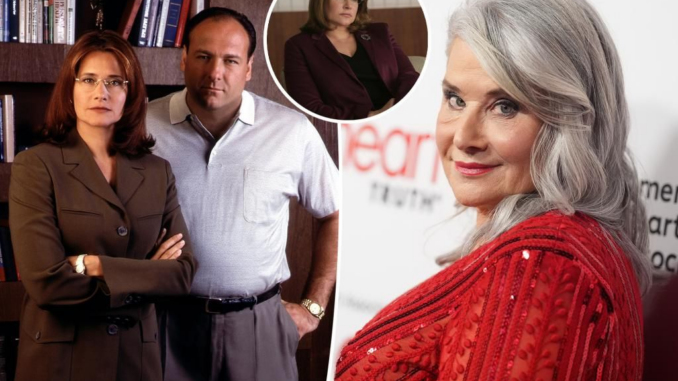
Tony Soprano and Dr. Melfi: The Most Controversial Therapy Scenes in The Sopranos
Introduction: Therapy That Redefined Television
One of the most groundbreaking elements of The Sopranos is Tony Soprano’s relationship with his psychiatrist, Dr. Jennifer Melfi. At a time when crime dramas focused primarily on action, the show introduced something radically different—therapy sessions that explored the mind of a mob boss.
These moments were not only innovative but often controversial, pushing boundaries in both storytelling and ethics.
Who Is Dr. Melfi? The Woman Behind the Chair
Dr. Jennifer Melfi is more than just a supporting character—she is central to understanding Tony Soprano.
She represents:
- Rationality in contrast to Tony’s chaos
- Moral structure in a world of crime
- A lens through which the audience interprets Tony’s behavior
Her role turns The Sopranos into a psychological drama as much as a crime series.
Why the Therapy Scenes Were So Revolutionary
At the time of its release, few shows dared to slow down the narrative for extended conversations.
Yet these sessions became iconic because they:
- Revealed Tony’s vulnerability
- Explored mental health in a male-dominated, hyper-masculine world
- Blurred the line between sympathy and judgment
They allowed viewers to see Tony not just as a criminal, but as a deeply conflicted human being.
The Most Controversial Moments Between Tony and Melfi
When Tony’s Anger Entered the Therapy Room
There are moments when Tony’s temper spills into sessions, creating tension that feels almost dangerous.
These scenes raised questions about:
- The safety of the therapist
- The limits of professional boundaries
- Whether therapy could truly contain someone like Tony
Manipulation and Emotional Power Games
Tony often attempts to control the narrative, even in therapy.
He:
- Twists situations to justify his actions
- Seeks validation rather than change
- Uses charm and intimidation interchangeably
This dynamic creates a psychological chess match between patient and doctor.

Dr. Melfi’s Ethical Dilemma
Perhaps the most controversial aspect is Melfi’s decision to continue treating Tony.
She is constantly forced to ask:
- Is she helping him improve—or making him a better criminal?
- Where is the line between professional duty and moral responsibility?
- Should she walk away?
This internal conflict becomes one of the show’s most compelling arcs.
The Line That Shouldn’t Be Crossed
Certain scenes push the boundaries of the therapist-patient relationship, hinting at emotional entanglement and blurred professionalism.
These moments sparked debate among viewers about:
- Ethics in therapy
- Power imbalance
- Emotional dependency
Why These Scenes Sparked So Much Debate
The controversy surrounding Tony and Melfi’s sessions comes from their realism.
They don’t offer easy answers. Instead, they:
- Challenge viewers to confront uncomfortable truths
- Blur the line between right and wrong
- Force audiences to question their own empathy for Tony
The Psychological Depth That Set The Sopranos Apart
These therapy scenes are a major reason why The Sopranos is considered a masterpiece.
They add:
- Emotional complexity
- Philosophical depth
- A unique narrative structure
Without Dr. Melfi, Tony Soprano would be a very different character—and a far less compelling one.
The Legacy of Tony and Melfi’s Relationship
Years after the show ended, their dynamic remains one of the most discussed aspects of the series.
It influenced:
- Future character-driven dramas
- The portrayal of therapy on television
- Audience expectations for psychological storytelling
Conclusion: A Relationship That Changed TV Forever
Tony Soprano and Dr. Melfi’s relationship is not just a subplot—it is the heart of The Sopranos.
Their sessions brought depth, controversy, and realism to a genre that had rarely explored such territory.
In the end, their story isn’t just about therapy—it’s about understanding the human mind, even at its darkest.