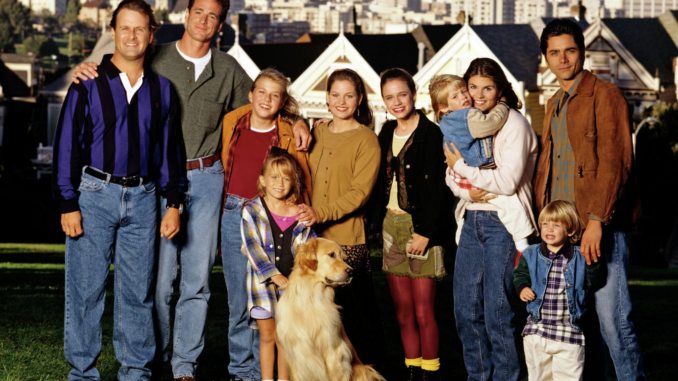
Here’s something that sounds almost unbelievable at first: Fuller House received recognition and validation that Full House never did during its original run. Yep, the reboot—the one many people assumed was just riding the nostalgia wave—ended up earning credit, praise, and cultural acknowledgment that the original sitcom never fully enjoyed at the time.
And before you clutch your “Have mercy!” catchphrase in disbelief, let’s be clear. Full House was wildly popular. It shaped childhoods, defined family sitcoms, and became a pop-culture staple. But popularity doesn’t always equal recognition—and that’s where Fuller House quietly flipped the script.
Let’s break down how, why, and what it all means.
Full House Was Loved—but Rarely Respected
Back in the late ’80s and early ’90s, Full House dominated living rooms.
Mass Appeal Without Industry Praise
-
Huge weekly viewership
-
Strong syndication success
-
Cultural catchphrases everywhere
Yet despite all that love, Full House was often brushed aside by critics as:
-
Too cheesy
-
Too sentimental
-
Too “family-friendly” to be taken seriously
In short, it was adored—but not celebrated.
Why Recognition Matters More Than Popularity
Let’s pause for a second. Why does recognition even matter?
Because recognition:
-
Validates creative effort
-
Shapes a show’s legacy
-
Influences how history remembers it
Full House survived on fan love alone. Fuller House? It got something extra.
Fuller House Entered a Very Different TV Era
Timing changes everything.
Streaming Changed the Rules
When Fuller House premiered, television had evolved:
-
Streaming platforms valued bingeability
-
Nostalgia became a respected genre
-
Critics began reassessing sitcoms
What once felt “too soft” now felt comforting and intentional.
Fuller House Was Taken Seriously as a Cultural Reboot
Unlike its predecessor, Fuller House wasn’t just dismissed as fluff.
Why the Reboot Got Critical Attention
-
It acknowledged its legacy
-
It leaned into self-awareness
-
It updated themes for modern families
Critics didn’t always love it—but they talked about it. And that alone marked a shift.
Recognition Through Longevity on a Streaming Platform
Here’s a key difference people overlook.
Fuller House’s Streaming Success
-
Five full seasons on Netflix
-
Consistent viewership across years
-
Strong global audience reach
Streaming longevity is a modern form of recognition—and Fuller House excelled at it.
Full House Never Got This Level of Industry Validation
During its original run, Full House:
-
Rarely received award nominations
-
Was often excluded from “best of” lists
-
Didn’t benefit from critical reevaluation
It took decades for people to say, “Hey, maybe this show mattered more than we realized.”
Fuller House Benefited From Retrospective Appreciation
Here’s the irony: Fuller House thrived because Full House aged well.
Nostalgia Changed the Narrative
Audiences and critics alike began to:
-
Revisit older sitcoms
-
Appreciate sincerity over cynicism
-
Value emotional safety in storytelling
Fuller House walked into a warmer, more forgiving spotlight.
The Power of Self-Awareness in Fuller House
One big reason Fuller House earned recognition? It knew exactly what it was.
Leaning Into the Joke
-
Meta-humor about catchphrases
-
Playful nods to the audience
-
Acknowledgment of its cheesiness
Instead of denying criticism, it embraced it—and that earned respect.
Representation and Modern Themes Gave Fuller House an Edge
Let’s be real: Full House was a product of its time.
How Fuller House Evolved
-
More diverse storylines
-
Stronger focus on women-led narratives
-
Modern parenting challenges
This evolution helped critics see it as more than a carbon copy.
Fuller House Got Recognition for Emotional Intelligence
Here’s a subtle but important shift.
Handling Emotions With Maturity
While Full House often wrapped problems in tidy bows, Fuller House:
-
Allowed emotional messiness
-
Addressed grief and change
-
Showed growth over time
That depth resonated with adult viewers—and critics noticed.
The Cast’s Return Was Treated as a Cultural Event
When the Fuller House cast reunited, it wasn’t just another show launch.
Why the Reboot Felt Important
-
Multi-generational appeal
-
Shared cultural memory
-
Emotional investment across decades
That sense of event-level importance translated into broader recognition.
Awards Aren’t Everything—but Visibility Is
Did Fuller House sweep major awards? No. But it achieved something just as valuable.
Cultural Visibility
-
Featured in major entertainment conversations
-
Included in discussions about successful reboots
-
Recognized for sustaining audience loyalty
Full House never had that kind of industry-wide spotlight while it aired.
Critics Revisited What They Once Dismissed
Here’s the twist no one expected.
Fuller House Sparked Reevaluation of Full House
As critics analyzed Fuller House, many began to:
-
Reassess the original series
-
Acknowledge its cultural impact
-
Admit earlier dismissals were unfair
In a strange way, the reboot earned respect for both shows.
Fan Communities Became a Source of Recognition
Online fandom changed everything.
The Internet Amplified Appreciation
-
Social media discussions
-
Viral clips and memes
-
Intergenerational fan engagement
Fuller House benefited from an always-online audience that Full House never had.
Why Full House Was Ahead of Its Time
Let’s give credit where it’s due.
What Full House Did Right—Too Early
-
Normalized non-traditional families
-
Focused on emotional openness
-
Centered kindness over conflict
Back then, critics shrugged. Today, those values are celebrated.
Fuller House Cashed In on That Shift
By the time Fuller House aired, the world had caught up.
What once felt corny now felt:
-
Comforting
-
Intentional
-
Necessary
That cultural shift made recognition possible.
The Legacy Gap Between the Two Shows
So what’s the real takeaway?
Different Eras, Different Rewards
-
Full House earned love
-
Fuller House earned validation
Both mattered—but in different ways.
Why Recognition Doesn’t Always Come First
Sometimes recognition arrives late. Sometimes it arrives through a sequel.
Fuller House didn’t just stand on Full House’s shoulders—it turned around and shined a light on them.
What This Means for TV History
This story proves something important.
Sitcoms Age Better Than Critics Expect
Warmth, sincerity, and heart don’t always win awards—but they win longevity. And eventually, longevity earns recognition.
Final Thoughts on Fuller House vs. Full House Recognition
The recognition Fuller House received wasn’t a slight against Full House. It was proof that the world finally learned how to appreciate what the Tanner family stood for all along.
Sometimes, it takes a second act to hear the applause.
Conclusion
Full House walked so Fuller House could run—straight into recognition, validation, and cultural respect. While the original series thrived on love alone, the reboot benefited from changed times, evolved audiences, and a deeper appreciation for heartfelt storytelling.
In the end, both shows won. They just won in different eras.
FAQs
1. Did Fuller House receive more recognition than Full House?
Yes, particularly in terms of cultural discussion, streaming success, and critical reevaluation.
2. Why wasn’t Full House recognized during its original run?
It was often dismissed as overly sentimental during a more cynical TV era.
3. Did Fuller House win major awards?
Not major awards, but it gained significant visibility and industry acknowledgment.
4. How did streaming help Fuller House gain recognition?
Streaming allowed consistent global viewership and long-term engagement.
5. Did Fuller House improve Full House’s legacy?
Absolutely. It encouraged critics and fans to reevaluate the original show’s impact.