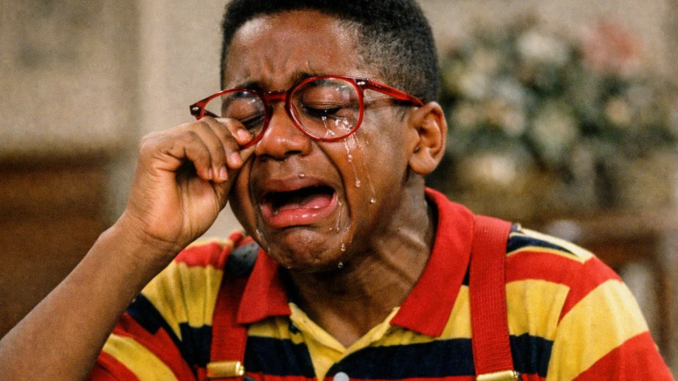
A Sitcom Legend With a Complicated Backstory
Let’s start with the big question: Did the Family Matters cast really hate Steve Urkel?
It’s a bold claim. A dramatic headline. The kind that spreads fast and sticks hard. But like most Hollywood rumors, the truth is layered, nuanced, and far more human than the gossip suggests.
Family Matters wasn’t just another sitcom. It was a cultural cornerstone of the 1990s. It gave us heart, humor, and one of the most unforgettable characters in TV history: Steve Urkel.
But when one character explodes in popularity and shifts the entire direction of a show, things can get complicated. So let’s unpack what really happened — without exaggeration, without hype, and without rewriting history.
How Steve Urkel Was Never Supposed to Be the Star
Here’s something many fans forget.
Steve Urkel wasn’t meant to be the face of Family Matters. He was introduced as a one-time guest character. That’s it. One appearance. A quirky neighbor for comic relief.
Then something unexpected happened.
Audiences fell in love.
The suspenders. The nasal voice. The awkward charm. The catchphrase. Urkel became lightning in a bottle. Viewers tuned in just to see him. Ratings spiked. Networks took notice.
And suddenly, the entire show began to revolve around him.
When Popularity Shifts the Spotlight
Imagine being part of an ensemble cast. You sign on to tell a family-centered story. You build chemistry. You find your rhythm.
Then one character skyrockets to fame, and the scripts start bending around him.
That’s not necessarily jealousy. It’s adjustment. And adjustment can be uncomfortable.
As Urkel’s screen time expanded, some cast members reportedly felt that the original family-driven premise faded into the background. The show gradually became more about Urkel’s antics than the Winslow family dynamic.
Change is hard — especially when it’s public and permanent.
Did the Cast Actually “Hate” Steve Urkel?
The word “hate” is strong. And probably misleading.
Several cast members have acknowledged that the show’s shift created tension. Some felt sidelined. Others struggled with the creative direction.
But tension doesn’t automatically equal hatred.
Workplace dynamics are complex. Especially on long-running TV shows. Long hours. Rewrites. Network pressure. Ratings battles. It’s a high-stakes environment.
When one actor becomes the focal point of a series, the energy on set naturally changes.
Jaleel White’s Rapid Rise to Fame
Let’s talk about Jaleel White.
He was young — very young — when Steve Urkel became a phenomenon. Overnight fame is overwhelming. It’s like being strapped to a rocket without a manual.
Suddenly, the show depends on you. Executives expect you to deliver. Audiences expect you to entertain. Every joke has to land.
That kind of pressure shapes behavior. It amplifies stress. It can unintentionally create distance between cast members.
White has spoken in interviews about how intense the experience was. Fame at that age isn’t simple. It’s complicated.
Creative Tension vs. Personal Conflict
Here’s where nuance matters.
Some cast members reportedly disliked the direction the show took — not necessarily the person playing Urkel.
There’s a difference.
Creative frustration often gets misinterpreted as personal animosity. If you sign on for a family-centered sitcom and it morphs into a character-driven comedy circus, you might feel disappointed.
That doesn’t mean you despise your co-star. It means expectations changed.
The Evolution of Family Matters
Originally, Family Matters focused on the Winslow family navigating everyday life. It delivered heartfelt lessons with humor woven in.
As Urkel’s popularity surged, the tone shifted. Storylines became more exaggerated. Science experiments. Transformations. Over-the-top scenarios.
For some viewers, that evolution was fun and memorable. For others — including possibly some cast members — it felt like a departure from the show’s roots.
Change fuels success. But it also creates friction.
The Burden of Being the Breakout Character
Let’s flip the perspective.
Being the breakout star isn’t always glamorous. It can isolate you. It can create unspoken tension. It can make every interaction feel loaded.
When one person becomes synonymous with the show, the cast dynamic inevitably shifts.
Picture a group project where one member suddenly gets all the praise. Even if they earned it, the balance changes. Humans notice imbalance. We’re wired to.
Public Comments and Reflections
Over the years, various cast members have addressed the rumors.
Some acknowledged that working conditions weren’t always smooth. Others admitted that they struggled with the show’s creative direction. Jaleel White himself has spoken candidly about feeling the weight of being “the show.”
But none have confirmed widespread hatred.
Instead, their reflections often highlight stress, growth, and the realities of working in television.
That’s a big difference.
The Reality of Long-Running TV Shows
Long-running series are like marriages. At first, everything feels exciting. Over time, routines form. Conflicts arise. Fatigue sets in.
Nine seasons is a long time.
Actors evolve. Goals change. Contracts get renegotiated. Storylines shift.
It’s unrealistic to expect complete harmony for nearly a decade under intense public scrutiny.
Was Urkel Too Popular for His Own Good?
Here’s a provocative thought.
Urkel’s success may have been both a blessing and a burden.
Without him, Family Matters might not have lasted as long as it did. His popularity kept ratings strong and cultural relevance high.
But that same dominance overshadowed the ensemble nature of the show.
It’s like planting a tree that grows so tall it blocks sunlight from the rest of the garden. The garden still exists. It just lives in the shadow.
Fan Perception vs. Behind-the-Scenes Reality
Fans often view shows through nostalgia-tinted glasses. We remember the laughs, not the long production days.
When headlines claim “The Cast Hated Steve Urkel,” it disrupts that warm memory. It feels like discovering tension in your favorite childhood band.
But professional actors can deliver on-screen chemistry even if they disagree behind the scenes. That’s their craft.
On-screen warmth doesn’t require off-screen perfection.
The Impact on the Show’s Legacy
Did alleged tension ruin Family Matters?
Not even close.
The show remains iconic. Steve Urkel is one of television’s most recognizable characters. Catchphrases still echo decades later.
If anything, the complexity behind the scenes adds depth to the legacy. It reminds us that great art often emerges from imperfect circumstances.
Lessons About Fame and Team Dynamics
This story isn’t just about a sitcom.
It’s about what happens when success shifts power dynamics. When recognition changes hierarchy. When expectations evolve midstream.
Whether in Hollywood or a corporate office, teams feel the ripple effects when one member becomes the centerpiece.
That doesn’t equal hate. It equals adjustment.
Why the “Hate” Narrative Persists
Drama travels faster than nuance.
Saying “Some Cast Members Felt Frustrated by Creative Changes” doesn’t generate clicks.
Saying “The Cast Hated Steve Urkel” does.
Simple narratives sell. Complex truths require patience.
And in the age of viral headlines, patience is rare.
The Human Side of the Story
Strip away the gossip, and what remains?
A group of actors navigating success, pressure, and evolving expectations.
A young star handling sudden fame.
A show transforming under audience demand.
It’s messy. It’s human. It’s real.
And that’s far more interesting than a simplistic hate story.
Where Things Stand Today
Years later, the cast members have moved forward in their careers. Interviews reflect maturity and perspective.
Time softens friction. It reframes memory. What once felt intense now feels like a chapter in a larger story.
The legacy of Family Matters stands strong — not because it was perfect behind the scenes, but because it connected with audiences.
Conclusion: More Than Just a Headline
Did the Family Matters cast hate Steve Urkel?
The evidence suggests something far less dramatic and far more human.
There were tensions. There were creative disagreements. There were pressures tied to fame and shifting storylines.
But hatred? That’s a stretch.
In reality, the story reflects the complicated nature of success. When one character becomes a cultural phenomenon, dynamics shift. Adjustments happen. Emotions surface.
And through it all, the show endured.
Because at the end of the day, what audiences saw was laughter, heart, and a character who became unforgettable.
FAQs
1. Did the Family Matters cast publicly say they hated Steve Urkel?
No cast member has definitively stated they “hated” Steve Urkel. Some have acknowledged tension and creative frustrations, but not outright hatred.
2. Why did the show shift focus to Urkel?
Audience response drove the change. Urkel became extremely popular, and the network leaned into what boosted ratings.
3. Did Jaleel White acknowledge on-set tension?
Yes, he has spoken about the pressures of fame and the challenges of being the breakout star on a long-running show.
4. Did the tension affect the success of Family Matters?
Despite reported tensions, the show remained successful and culturally impactful for years.
5. Why do headlines exaggerate behind-the-scenes drama?
Sensational headlines attract more attention and clicks than nuanced explanations, which fuels oversimplified narratives.