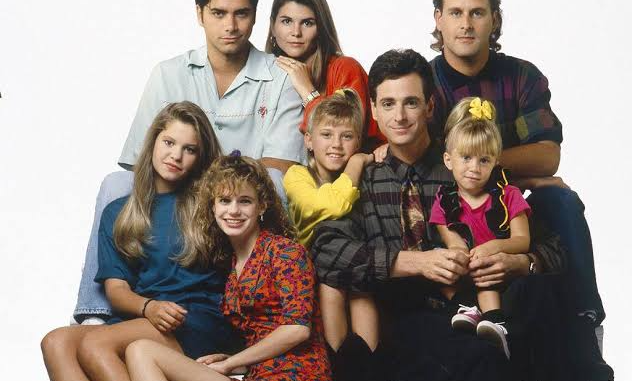
When a Perfect TV Family Suddenly Said Goodbye
Full House wasn’t just a sitcom. It was a ritual. Friday nights, warm laughs, cheesy hugs, and that familiar San Francisco house that felt like home even if you’d never been there. So when Full House ended in 1995—while ratings were still strong—fans were left asking the same question for decades: why did it really end?
The truth? It wasn’t because viewers stopped watching. It wasn’t creative burnout. And it definitely wasn’t because the show had “run its course.”
Let’s break down the real, behind-the-scenes reasons Full House ended while it was still winning.
Full House Was Still a Ratings Powerhouse
At the time of its final season, Full House consistently ranked among ABC’s strongest performers. Millions tuned in weekly, and reruns were already proving successful.
In TV terms, this wasn’t a dying show. It was a dependable hit.
So why cancel something that still printed money?
The Silent War Between Networks
One of the biggest reasons Full House ended had nothing to do with the cast or the audience.
It was about network politics.
ABC was in the middle of reshaping its brand. Executives wanted to move away from family-friendly sitcoms and attract a younger, edgier demographic. Shows like Home Improvement fit that strategy. Full House didn’t.
Behind closed doors, ABC saw the show as “too wholesome” for where television was heading.
Rising Production Costs Became a Dealbreaker
Here’s the part fans rarely hear about.
By Season 8, production costs had skyrocketed:
-
The main cast demanded higher salaries
-
Child actors were no longer “cheap talent”
-
Location shoots and guest stars increased expenses
While the show made money, its profit margin was shrinking—and networks care more about margins than loyalty.
Cast Fatigue Was Very Real
Eight seasons is a long time to play the same character, especially on a family sitcom.
Several cast members quietly expressed burnout:
-
Long shooting schedules
-
Limited creative growth
-
Being typecast as “that Full House character”
No public drama. No explosive interviews. Just exhaustion.
And when enough cast members feel done, the clock starts ticking.
Mary-Kate and Ashley Olsen Changed Everything
The Olsen twins were no longer babies. They were becoming a brand.
By the mid-1990s, their outside projects were exploding. Movies, merchandise, endorsements—things that didn’t require a weekly sitcom grind.
Ironically, the show that launched them was now limiting their potential.
ABC Chose Not to Negotiate a Season 9
This is the moment everything ended.
The producers wanted a shortened ninth season to wrap things up properly. ABC said no.
Instead of shopping the show to another network—something common today but rare then—the decision was made to end it cleanly.
No cliffhangers. No chaos. Just… goodbye.
The Final Episode Was Never Meant to Be a Finale
One of the strangest facts?
The final episode of Full House wasn’t written as a grand farewell.
There were no emotional goodbyes. No long speeches. No sense of finality.
Because the cast and crew didn’t believe it would be the end.
Why Full House Felt “Unfinished”
Fans often say the show ended abruptly—and they’re right.
There was:
-
No graduation arc
-
No major life transitions
-
No proper goodbye to the Tanner house
That unfinished feeling stuck with audiences for decades.
Reruns Made Full House Bigger After It Ended
Here’s the irony.
Full House became more popular after cancellation.
Syndication introduced the show to new generations. Kids who weren’t even born during its original run grew up with it.
In many ways, the show’s legacy was just getting started.
Why Full House Would Never End the Same Way Today
If Full House aired now:
-
It would get a proper final season
-
Streaming platforms would fight to save it
-
Fans would launch campaigns overnight
The TV industry simply didn’t work that way in the 1990s.
The Ending That Led to Fuller House
The unresolved ending became the emotional foundation for Fuller House.
Netflix didn’t just reboot a sitcom—it answered a 20-year-old goodbye that never happened.
And that’s why fans showed up instantly.
Was Ending Full House a Mistake?
From a cultural standpoint? Yes.
From a business standpoint at the time? Maybe not.
But history has been kind to Full House. It outlived trends, executives, and network strategies.
Why Full House Still Matters Today
In a TV landscape filled with antiheroes and chaos, Full House remains comfort food.
It reminds people of:
-
Simpler storytelling
-
Earnest emotions
-
Family without cynicism
And that’s why it refuses to fade.
Conclusion: Full House Didn’t End — It Just Changed Form
Full House didn’t fail. It wasn’t forgotten. And it didn’t disappear.
It ended because television changed—not because audiences did.
And decades later, that familiar door still feels open.
FAQs
Why did Full House really end?
Because of rising costs, network strategy changes, and cast fatigue—not low ratings.
Was Full House canceled?
Technically yes, but it was more of a business decision than a creative failure.
Did the cast want another season?
Many did, especially for a proper finale, but negotiations stalled.
Why was the finale so anticlimactic?
It wasn’t written as a series finale—the cast expected renewal.
Is Full House still popular today?
Absolutely. Syndication and streaming turned it into a timeless classic.