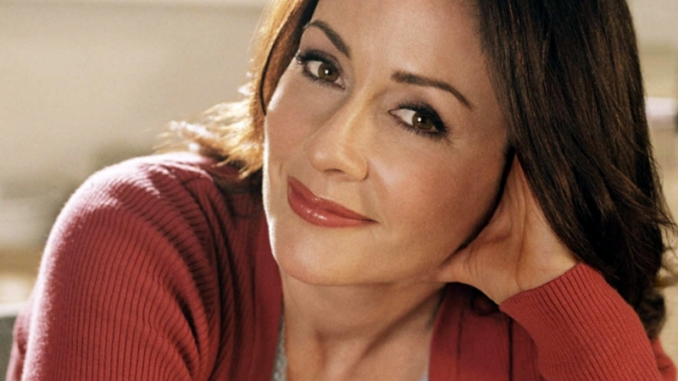
A Sitcom That Almost Took a Different Path
It’s hard to imagine Everybody Loves Raymond without Patricia Heaton. Her portrayal of Debra Barone feels inseparable from the show’s DNA. But behind the laughs, sarcasm, and family chaos, her casting sparked real behind-the-scenes tension — the kind that could’ve changed everything.
Why Everybody Loves Raymond Felt So Real
The show didn’t rely on flashy jokes or exaggerated setups. It thrived on realism. Arguments felt familiar. Relationships felt lived-in. That authenticity was intentional — and casting played a massive role in getting it right.
The Role of Debra Barone Was Crucial
Debra wasn’t just Ray’s wife. She was the emotional counterweight to Ray’s immaturity and his family’s constant interference. Casting Debra incorrectly would’ve thrown the entire balance off. And that pressure made the decision controversial from the start.
Patricia Heaton Wasn’t the Network’s First Choice
Despite her talent, Patricia Heaton didn’t initially impress network executives. Some questioned whether she fit the traditional sitcom mold. Others worried she didn’t have the polished, glamorous look networks often favored at the time.
Network Expectations Versus Creative Vision
CBS reportedly wanted a more conventionally “appealing” actress — someone who fit a narrow, outdated image of a sitcom wife. The creators, however, wanted authenticity. That clash sparked tension early in production.
Why “Perfect” Would’ve Been a Problem
A flawless, overly glamorous Debra would’ve undercut the show’s core premise. Everybody Loves Raymond wasn’t about fantasy — it was about frustration, compromise, and everyday marriage struggles. Too much polish would’ve broken the illusion.
Patricia Heaton’s First Auditions Raised Doubts
Early test screenings and rehearsals reportedly felt off to some executives. Not because Heaton lacked skill, but because she didn’t play Debra as passive or decorative. She played her as strong — and that made some decision-makers uncomfortable.
The Chemistry Question
Sitcom success depends on chemistry, not résumés. Once Ray Romano and Patricia Heaton worked together consistently, the connection became undeniable. Their banter felt natural, sharp, and lived-in — like a real couple arguing over laundry and in-laws.
Why the Creators Stood Their Ground
The show’s creator believed deeply that Debra needed edge. She had to push back. She had to feel exhausted. Heaton delivered exactly that. Changing her would’ve diluted the show’s voice.
Behind-the-Scenes Tension During Early Episodes
Even after casting was finalized, pressure didn’t disappear. Early episodes were scrutinized closely. Performance notes piled up. Expectations were high. The tension lingered until ratings began to speak louder than opinions.
Debra Barone Defied Sitcom Wife Stereotypes
Debra wasn’t submissive. She wasn’t silent. She wasn’t endlessly patient. She was opinionated, frustrated, loving, and sharp-tongued. That complexity was rare at the time — and it scared some executives.
Why Audiences Connected With Debra Instantly
Viewers didn’t want a fantasy wife. They wanted someone who felt real. Someone who lost her temper. Someone who loved deeply but demanded respect. Patricia Heaton made Debra relatable — and unforgettable.
The Turning Point That Ended the Drama
As ratings climbed and the show found its rhythm, doubts faded. What once caused tension became the show’s greatest strength. Heaton’s performance anchored the series emotionally.
Patricia Heaton’s Performance Elevated the Show
Her comedic timing, facial expressions, and emotional range gave Debra depth. She wasn’t just reacting — she was driving scenes. That shift helped transform the show from good to iconic.
Industry Pressure on Female Leads
This casting drama reflects a broader industry issue: women being judged more on appearance than capability. Heaton’s success challenged that mindset — and quietly pushed the industry forward.
Why the Drama Matters Years Later
This story still resonates because the conversation hasn’t ended. Casting debates, representation, and authenticity remain relevant. Heaton’s experience feels like an early chapter in an ongoing shift.
Rewatching Raymond With New Perspective
Knowing the struggle behind Debra’s casting adds depth to every episode. Her presence isn’t just entertaining — it’s a reminder of creative resistance paying off.
How the Show Benefited From Conflict
Ironically, the tension sharpened the show’s focus. Fighting for Debra’s authenticity forced everyone to commit fully to the vision. The result was a sitcom that aged remarkably well.
Why Patricia Heaton Was the Right Choice All Along
She didn’t just play Debra — she understood her. That understanding turned a potentially generic role into a cultural touchstone.
A Casting Decision That Changed Sitcom History
Had the network won that argument, Everybody Loves Raymond might have faded quietly. Instead, it became a classic — because someone fought for the right choice.
Conclusion
The behind-the-scenes drama surrounding Patricia Heaton’s casting wasn’t about ego or talent — it was about identity. Choosing realism over stereotype defined Everybody Loves Raymond and helped it endure. Heaton’s Debra Barone proved that authenticity isn’t risky — it’s powerful. And sometimes, the hardest casting battles produce the most timeless results.
FAQs
Why was Patricia Heaton’s casting controversial?
Some network executives felt she didn’t fit traditional sitcom expectations, sparking tension with the creators.
Did the network want a different actress for Debra?
Yes, there were concerns about appearance and tone before the show proved successful.
How did Patricia Heaton change the role of Debra Barone?
She portrayed Debra as strong, realistic, and emotionally complex.
Did the casting drama affect the show’s success?
Ultimately, no — it strengthened the show’s identity and appeal.
Why does this casting story still matter today?
It highlights ongoing conversations about authenticity, representation, and creative control in television.